Discovering the Museo Civico Aufidenate
Perched in the mountain town of Castel di Sangro, the Museo Civico Aufidenate offers visitors a focused window into the ancient Italic world of Aufidena. The museum centers on artifacts recovered from the surrounding Sangro Valley, illustrating continuous human presence from prehistoric settlements through the Samnite era and into Roman times. Its modest scale rewards slow exploration rather than hurried touring.
Key Exhibits and Collections
The core displays feature pottery, tools, weapons, and votive objects from Samnite sanctuaries and necropolises. Notable items include finely worked bronze fibulae and inscribed stones that shed light on pre-Roman languages and rituals. Roman-era sections showcase everyday objects such as oil lamps, coins, and architectural fragments that document the integration of the valley into imperial networks. Temporary cases often highlight recent digs, connecting the permanent collection to ongoing research in the region.
Context of the Finds
Many pieces originate from sites along the ancient Via Numana and river terraces, revealing how geography shaped trade, defense, and religious practice. Explanatory panels emphasize the continuity between Samnite hill forts and later Roman villas, giving a coherent narrative of cultural transition rather than isolated objects.
Getting There and Practical Access
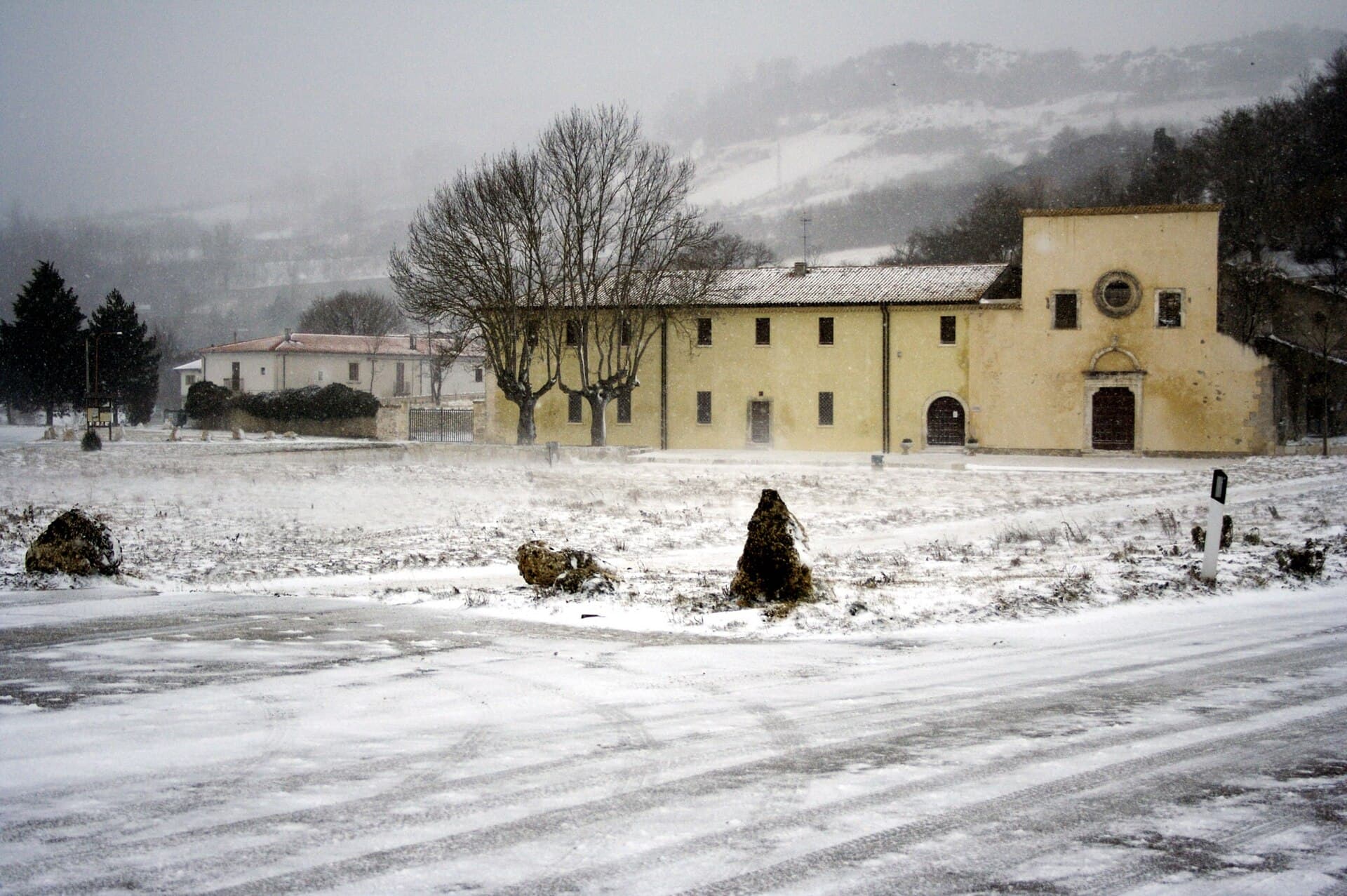
Castel di Sangro sits on the main rail line between Sulmona and Isernia, making the museum reachable by regional train from Pescara or Rome without a car. From the station, the historic center lies a short uphill walk or quick taxi ride. Drivers approach via the A25 motorway, exiting at Roccaraso and following the SS17 south. The museum occupies a restored historic building whose architecture itself reflects local stone-building traditions.
Best Time to Visit and Nearby Attractions
Spring and early autumn provide the most comfortable temperatures for combining the indoor visit with outdoor walks along the Sangro River or short hikes in the nearby Bosco di Castiglione. Summer visitors can escape midday heat inside the galleries before heading to higher elevations. Winter draws skiers to Roccaraso but leaves the museum quieter and easier to enjoy at leisure.
After the museum, extend the day to the Parco Nazionale d’Abruzzo, Lazio e Molise for wildlife viewing or to the medieval village of Scanno for lakeside scenery. The Camosciara reserve and the ancient Samnite site of Pietrabbondante lie within an hour’s drive, forming a natural archaeological itinerary.