
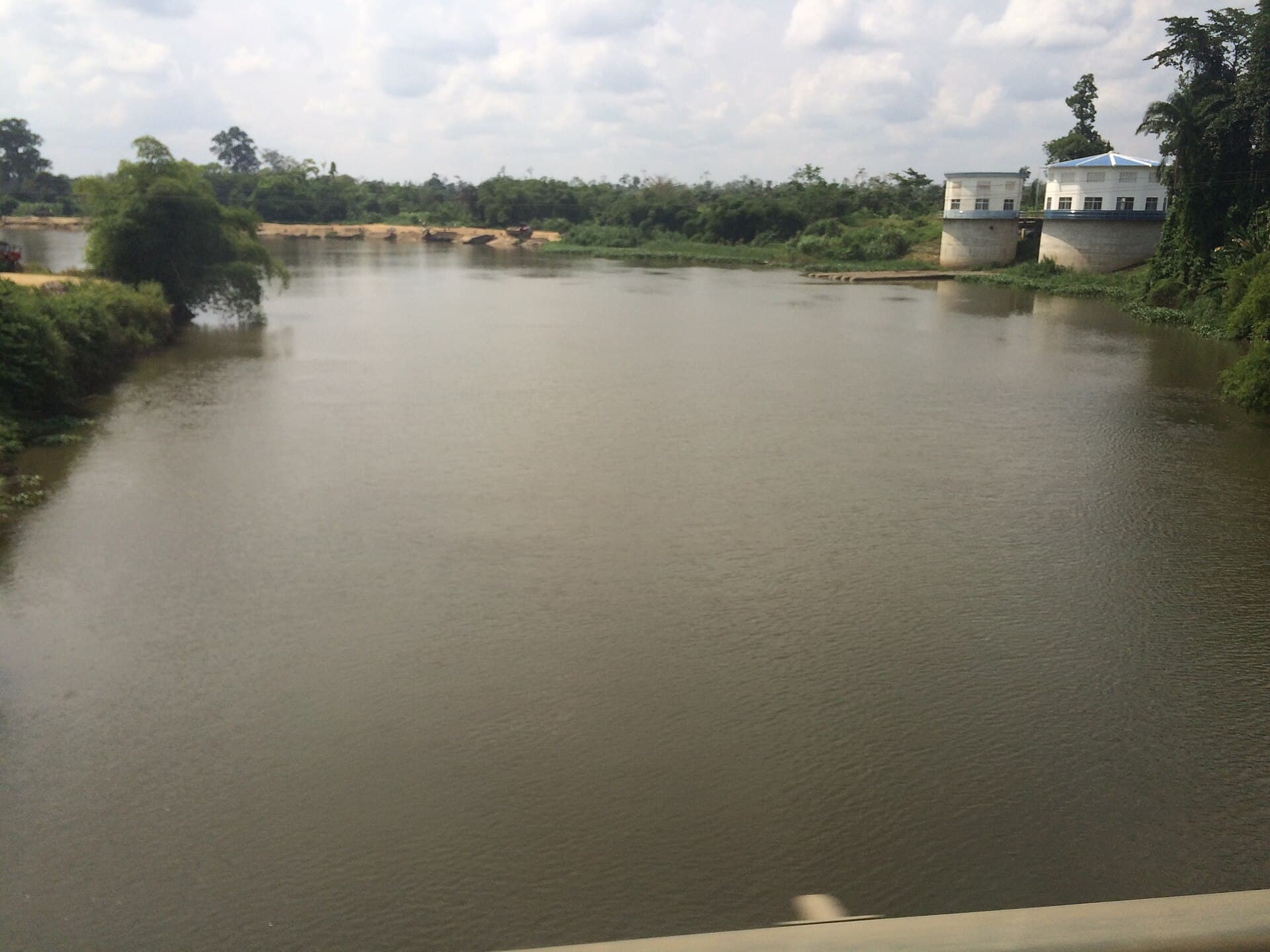
Mungo River: Exploring Cameroon’s Lush Littoral Waterway
Paddle through mangrove forests and discover the wildlife-rich estuary of the Mungo River in western Cameroon.
Why the Mungo River Draws Visitors
The Mungo River carves through the Littoral region, offering a rare window into Cameroon’s coastal ecosystems where freshwater meets the sea. Its broad estuary supports dense mangrove stands and provides habitat for birds, fish, and occasional manatees, making it a quiet alternative to more developed river destinations.
Things to See and Do
Guided canoe or motorized pirogue trips let travelers glide past twisting roots and spot herons, kingfishers, and monkeys in the canopy. Fishing communities along the banks welcome respectful observers, and short hikes into adjacent forest patches reveal medicinal plants and butterflies. Dawn and late-afternoon outings maximize wildlife sightings while avoiding midday heat.
Local Culture and Cuisine
Stops at riverside villages reveal traditional boat-building techniques and the preparation of fresh fish dishes seasoned with local spices. Markets near the river sell smoked fish and seasonal fruits that reflect the area’s agricultural bounty.
How to Reach the Mungo River
Most travelers start from Douala, driving or taking a shared taxi along the main coastal road toward the river’s lower reaches. From there, local boat operators provide access to the estuary and narrower upstream sections. The journey from Douala typically takes under two hours by road, followed by a short transfer to the water.
Best Time to Visit
The drier months from November through February offer calmer waters and clearer skies, ideal for longer excursions. The rainy season brings higher water levels that can extend navigation farther upstream, though sudden showers require waterproof gear. Year-round humidity remains high, so lightweight clothing and sun protection are essential.
Nearby Attractions
Combine a river visit with time in Douala’s botanical gardens or the beaches near Limbe, both within a short drive. The surrounding hills offer opportunities for short treks that overlook the Mungo valley and its patchwork of farms and forest.
Visitor tips
- Hire a local guide familiar with the estuary's tides and channels for safer navigation and better wildlife spotting.
- Pack plenty of water, insect repellent, and a hat, as shade is limited once you leave the mangroves.
- Support community-run boat trips rather than independent rentals to ensure local benefits and safer equipment.
Frequently asked questions
What kind of wildlife can I expect to see on the Mungo River?
Visitors commonly observe wading birds, kingfishers, monkeys in the canopy, and a variety of fish; manatees appear less frequently in the estuary.
Is the water safe for swimming?
The estuary has strong tidal currents and variable salinity; most operators advise against swimming and recommend staying in the boat.
How long does a typical boat trip last?
Half-day excursions cover the main mangrove channels, while full-day trips can reach upstream villages and return before dark.
Do I need a visa or special permit to visit the river?
A standard Cameroonian tourist visa is sufficient; no additional river-specific permits are required for short recreational visits.
Are there facilities such as toilets or food along the river?
Basic villages offer simple meals and rest stops, but travelers should carry their own water and snacks for longer outings.