
Keep reading
Nearby & related
Canary Islands
Blas Cabrera Felipe Monument: Honoring a Canary Islands Physics Pioneer
Visit the monument to Blas Cabrera Felipe, the influential Spanish physicist born in the Canary Islands, set amid…
15 November 2026
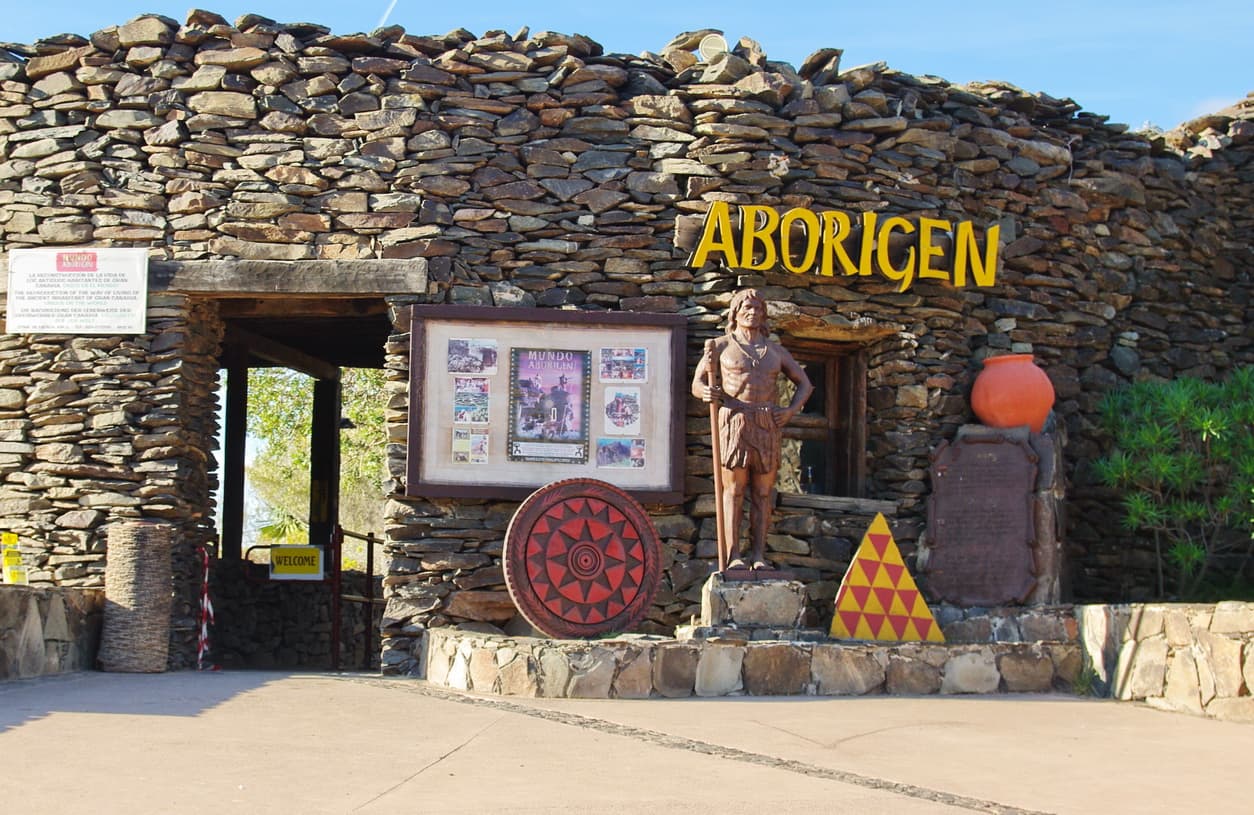
An open-air museum in southern Gran Canaria that brings the ancient Canarian people to life through reconstructions and landscapes.
Mundo Aborigen sits in the rugged interior of southern Gran Canaria, offering visitors a direct encounter with the island’s pre-Hispanic past. The site reconstructs a Guanche settlement using traditional materials and techniques, set against the dramatic volcanic terrain that shaped indigenous life for centuries.
Wander through clusters of stone-and-thatch huts, cave dwellings, and communal spaces that illustrate daily routines such as grain storage, tool-making, and animal husbandry. Informative panels and occasional live demonstrations highlight Guanche agriculture, pottery, and social structures without modern embellishment. The surrounding barranco landscape itself forms part of the experience, showing how the original inhabitants used natural rock shelters and terraced slopes for survival.
The attraction lies roughly halfway between the southern coastal resorts and the central mountains. Most visitors arrive by rental car via the GC-65 road, which offers straightforward access and parking. Public buses from Maspalomas or Playa del Inglés reach nearby villages, after which a short taxi or walk completes the journey. Combining the visit with a drive through the Fataga valley creates a natural half-day itinerary.
Gran Canaria’s mild climate makes Mundo Aborigen enjoyable year-round. Winter and spring bring cooler temperatures ideal for walking, while early morning or late afternoon visits in summer avoid the strongest sun. The site pairs well with nearby cultural stops rather than beach days, allowing visitors to experience both coastal and highland environments in one outing.
Continue a few kilometres south to the palm groves and traditional houses of Fataga village. Further afield lie the Maspalomas dunes and the archaeological caves of Arteara, both of which deepen understanding of the island’s layered history. The route also passes several miradors that frame the same volcanic ridges the Guanches once called home.
Keep reading
Visit the monument to Blas Cabrera Felipe, the influential Spanish physicist born in the Canary Islands, set amid…
It is an open-air archaeological park that reconstructs a Guanche settlement to show how the indigenous people of Gran Canaria lived before European arrival.
Yes, the short walking paths and open spaces make it accessible for families, though younger children may need supervision on rocky sections.
Most visitors spend between ninety minutes and two hours exploring the reconstructions and trails.
Buses serve nearby villages, but a taxi or organised tour from the coast is usually more convenient than relying solely on public transport.
Comfortable walking shoes, sun protection, and water are essential; the terrain is natural and the site offers limited facilities.
Experience sweeping Atlantic vistas of La Gomera island from this elevated Tenerife lookout point.
This elevated viewpoint on La Palma offers unobstructed panoramas of volcanic ridges, deep barrancos, and the Atlantic…