Why Visit Mount Stromlo
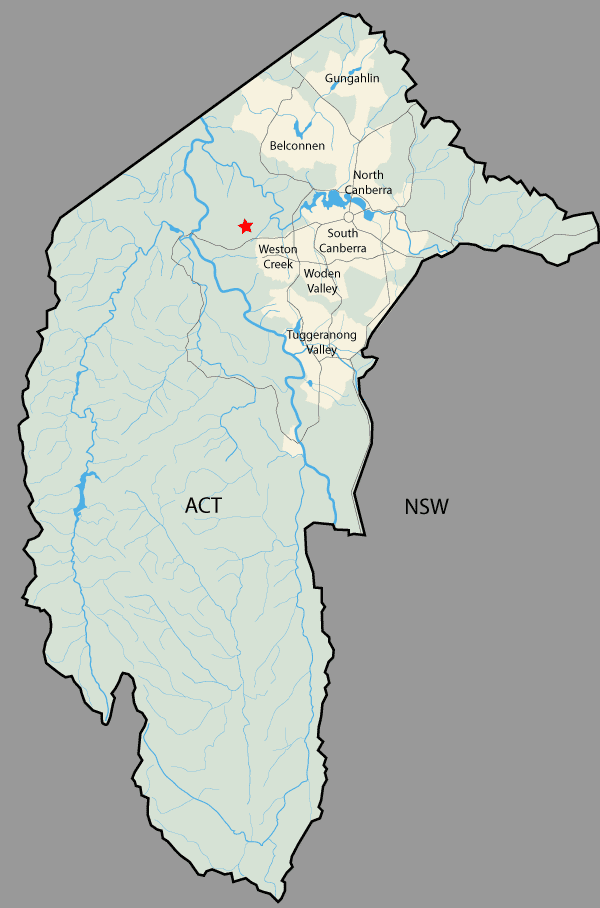
Mount Stromlo rises on the western edge of Canberra and has long served as Australia’s premier optical astronomy site. The combination of historic observatory buildings, working telescopes and sweeping views across the Brindabella Ranges and the capital makes it a rewarding half-day or evening destination for visitors interested in science, landscape and the night sky.
History and What Remains Today
The observatory dates to 1924 and once housed the largest telescope in the southern hemisphere. Bushfires in 2003 destroyed most instruments, yet the surviving domes, workshops and the heritage-listed administration building still convey the site’s scientific legacy. Several new instruments have been installed since reconstruction, keeping the mountain active in research while welcoming the public.
Key Sights on the Summit
- The 74-inch and 50-inch telescope domes, open during scheduled tours or events.
- Interpretive plaques and the small visitor display inside the surviving administration building.
- 360-degree lookouts over Canberra’s western suburbs, Lake Burley Griffin and distant snow-capped peaks in winter.
Activities for Visitors
Daytime walkers and cyclists use the sealed road and surrounding fire trails that form part of Stromlo Forest Park. Photographers favour the golden-hour light from the western escarpment. After dark, the low light-pollution levels relative to central Canberra allow clear views of the Milky Way and southern constellations when the sky is clear.
Getting There
Drive west from Canberra’s Civic centre via Cotter Road or Uriarra Road; the sealed summit road branches off after roughly 15 km. Public transport is limited, so most travellers arrive by car, rideshare or organised tour. Ample parking sits near the observatory complex and the adjacent forest-park trailhead.
Best Time to Visit
Autumn and spring deliver mild daytime temperatures ideal for walking and reliable evening clarity for stargazing. Summer evenings can be warm but bring the risk of thunderstorms; winter nights are crisp and often crystal-clear yet require warm layers. Check the Bureau of Meteorology forecast for cloud cover and wind before planning a night visit.
Nearby Attractions
Combine a Mount Stromlo visit with Tidbinbilla Nature Reserve for wildlife walks, the Cotter Dam picnic area, or the vineyards of the Canberra District wine region a short drive south. The Australian National University’s main campus in Canberra also houses additional astronomy exhibits for those wanting to extend the theme.