
Mount Oku: Hiking Cameroon’s Sacred Volcanic Peak
Explore the biodiversity, crater views, and cultural heritage of Mount Oku in Cameroon's Northwest highlands.
Why Visit Mount Oku
Mount Oku rises as the second-highest peak in Cameroon, offering hikers sweeping views across the Bamenda Highlands and into neighboring Nigeria on clear days. Its volcanic origins create fertile slopes that support rare Afromontane forests and grasslands found nowhere else in the region. The mountain holds deep spiritual importance for local Oku communities, who maintain sacred groves and perform annual rituals at traditional sites along the trails.
Hiking Mount Oku
Most ascents begin from the village of Oku or nearby Elak, where footpaths wind through farmland before entering cloud forest. The main route to the summit covers roughly 12 kilometers round-trip with moderate to strenuous sections that pass through bamboo thickets and open ridges. Hikers typically need five to seven hours for the full journey, depending on pace and weather.
Flora and Fauna
The slopes host endemic species including the Oku bush-shrike and several restricted-range plants. Early morning starts increase chances of spotting colobus monkeys and forest antelopes before mist rolls in. Birdwatchers should carry binoculars for the highland specialties that thrive above 2,000 meters.
Getting There
Travelers usually reach the area via Bamenda, the nearest major town with regular road connections from Yaoundé or Douala. Shared taxis and minibuses run daily to Oku village; from there local motorbike taxis cover the final stretch to trailheads. The mountain lies within Bui Division, so basic supplies are available in Oku but hikers should carry sufficient water and snacks for the day.
Best Time to Visit
The dry season from November through February offers the clearest skies and firmest trails. Heavy rains from June to September make paths slippery and reduce visibility, while April and May bring wildflowers but also afternoon thunderstorms. Cultural festivals tied to the mountain often occur in December and January, adding another layer to a visit.
Nearby Attractions
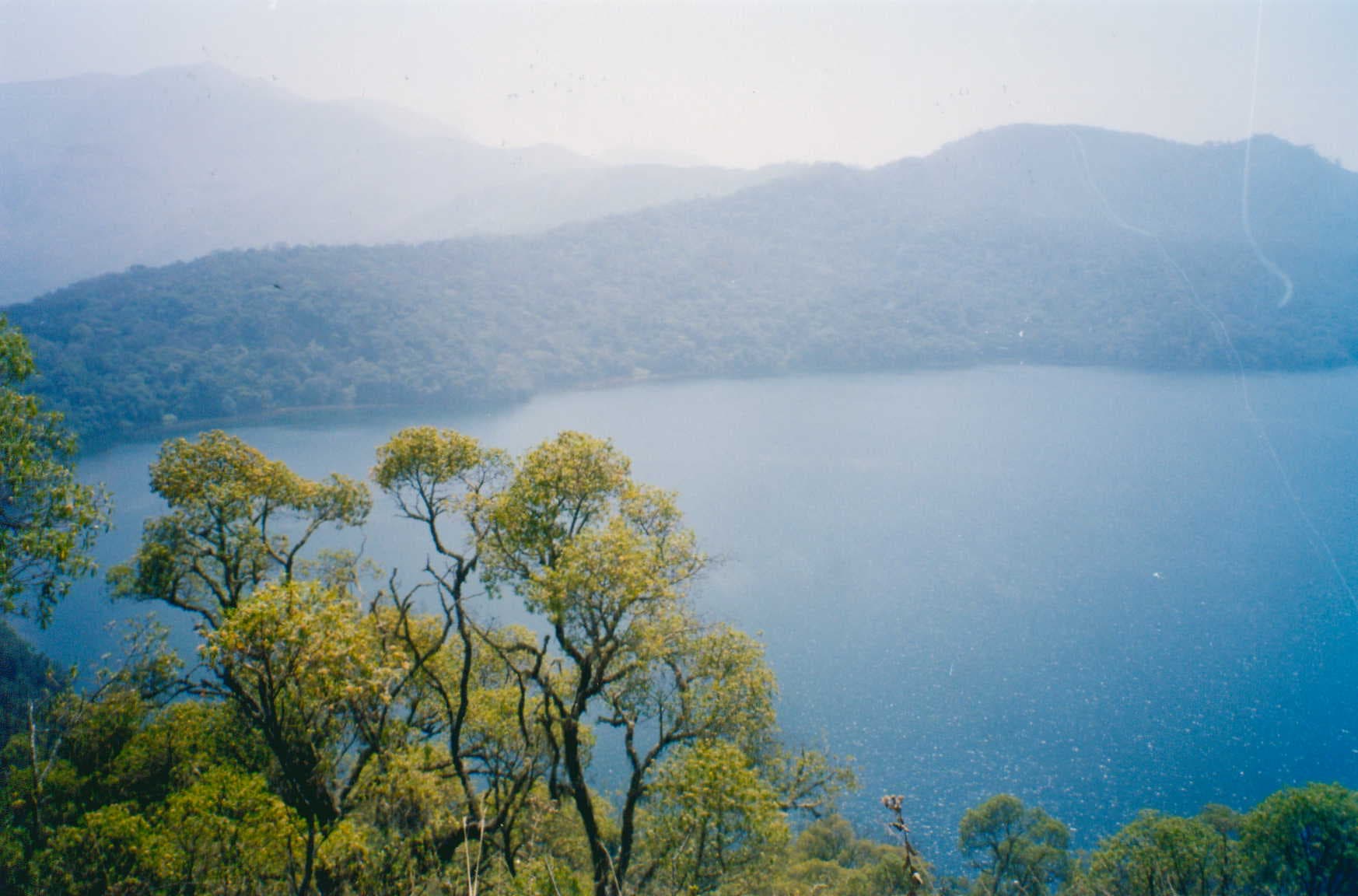
After descending, many visitors continue to Lake Oku for its tranquil crater setting or explore the traditional palaces and craft markets of nearby Nso. The surrounding highlands also connect to other volcanic peaks, allowing multi-day treks for those with more time.
Visitor tips
- Hire a local guide from Oku village to navigate trails safely and learn about sacred sites.
- Pack layers for rapid weather changes and bring a reusable water bottle to reduce plastic waste on the mountain.
- Respect local customs by asking permission before photographing rituals or entering restricted groves.
Frequently asked questions
How difficult is the hike to the summit of Mount Oku?
The main trail is strenuous for inexperienced hikers due to elevation gain and variable footing, but fit walkers complete it in a long day with a guide.
Are there facilities or accommodation on Mount Oku?
No permanent facilities exist on the mountain itself; visitors stay in basic guesthouses in Oku village before and after the hike.
What should I bring for a day hike on Mount Oku?
Sturdy boots, rain jacket, hat, sunscreen, plenty of water, and a packed lunch are essential; binoculars help for wildlife viewing.
Is Mount Oku safe for solo travelers?
Solo hiking is possible but not recommended; joining a small group or hiring a local guide improves both safety and cultural understanding.
Can I combine a Mount Oku hike with visits to other Cameroon highlands?
Yes, the area links well with Nso and the Bamenda Grassfields for extended itineraries focused on culture and nature.