
Keep reading
Nearby & related
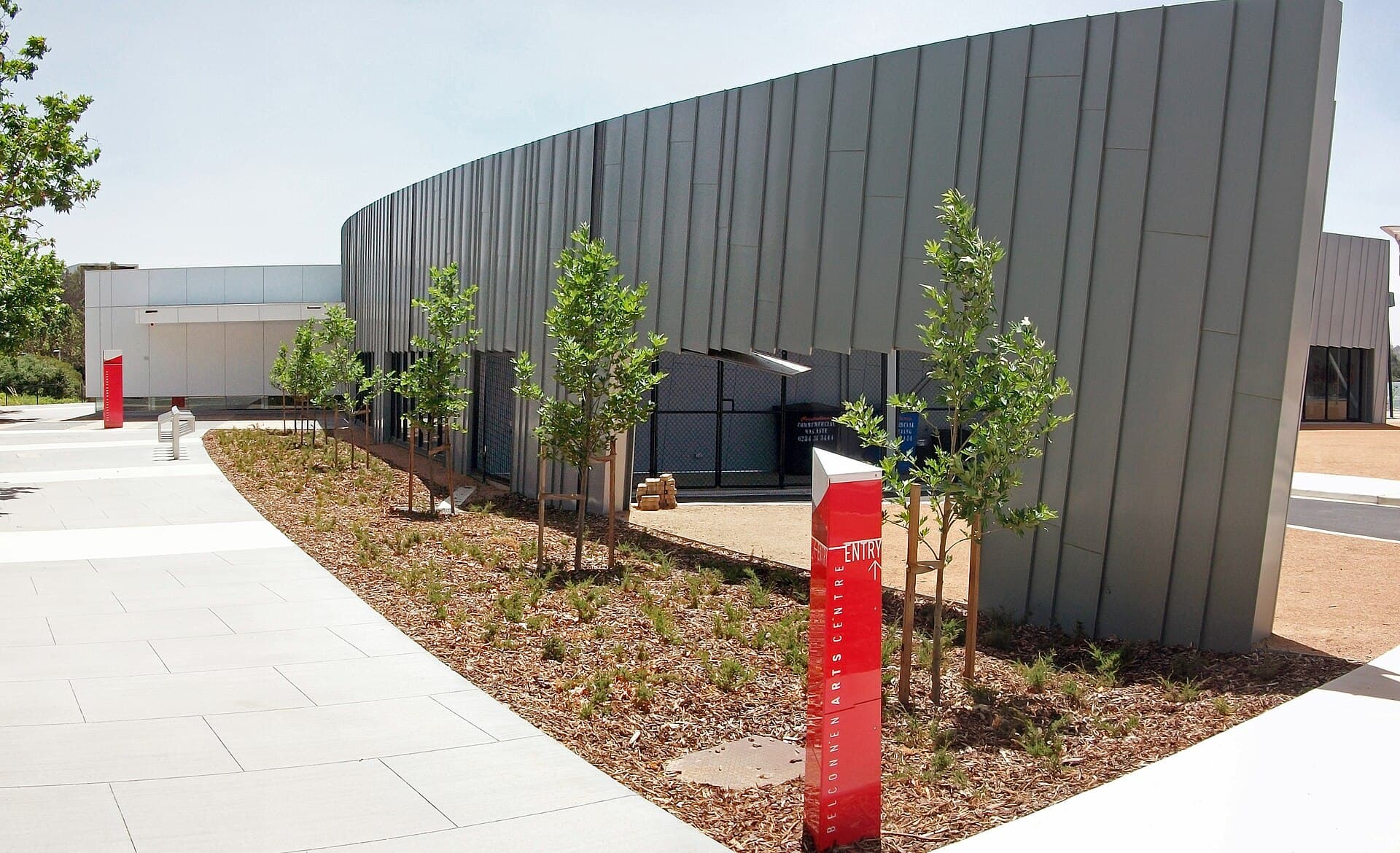
Belconnen Arts Centre: Contemporary Creativity in Canberra’s Belconnen District
Discover exhibitions, performances and community programs at this lively arts hub north of Canberra’s city centre.
18 September 2026
An accessible peak offering native bushland, summit views across the Australian Capital Territory, and a quiet escape from central Canberra.
Mount Mugga Mugga rises gently above Canberra’s southern suburbs, providing an easy introduction to the territory’s distinctive eucalypt woodlands and sweeping high-country horizons. The summit rewards modest effort with uninterrupted sightlines over the city basin, the Brindabella Ranges, and on clear days the distant snow-capped peaks of the Australian Alps. Because the hill sits within a network of Canberra Nature Park reserves, visitors experience genuine bushland only minutes from urban streets.
A well-formed fire trail climbs steadily through stringybark and scribbly gum forest. The route is suitable for most fitness levels and takes roughly 45 to 60 minutes one way. At the top, a small cleared area offers 360-degree views and a quiet spot for photography or a picnic.
Early morning or late afternoon walks frequently reveal eastern grey kangaroos grazing on lower slopes and a variety of honeyeaters and cockatoos in the canopy. In spring, native wildflowers such as royal bluebells and grevilleas brighten the understorey. Autumn brings cooler air and fewer insects, making longer rambles more comfortable.
Most visitors drive from Canberra’s city centre via the Monaro Highway or Mugga Way, turning onto local access roads that lead to small informal parking areas at the reserve boundary. The location is also reachable by bicycle along the city’s extensive shared-path network. Public transport options are limited, so travellers without a vehicle often combine a bus to nearby suburbs with a short walk or taxi ride to the trailhead.
Canberra’s climate is four-season, so the most pleasant hiking conditions occur from September to November and March to May. Summer temperatures can exceed 30 °C, while winter mornings may start below freezing; both periods require extra preparation for heat or cold. After rain, the tracks can become muddy, so check recent weather before setting out.
After descending, many visitors continue to nearby Isaacs Ridge Nature Reserve for additional walking loops or head north to Red Hill for another viewpoint. The hill also lies close to the developing suburbs of Hume and Symonston, where local cafés provide a convenient post-hike stop before returning to central Canberra attractions such as the National Gallery or Lake Burley Griffin.
Keep reading
Discover exhibitions, performances and community programs at this lively arts hub north of Canberra’s city centre.
The main fire-trail route is moderate and suitable for most walkers with average fitness; the elevation gain is steady but not steep.
Dogs are permitted on-lead in designated areas; always check current reserve signage for any temporary restrictions.
Entry to Mount Mugga Mugga and surrounding Canberra Nature Park reserves is free.
Keep a safe distance, stand still, and allow the snake to move away; most encounters can be avoided by watching the path ahead.
Basic facilities are limited; the nearest public toilets and picnic areas are located in adjacent suburban parks a short drive away.
Explore the accessible trails, wildflower meadows and sweeping views from Mount Rogers, a compact peak in Canberra’s…
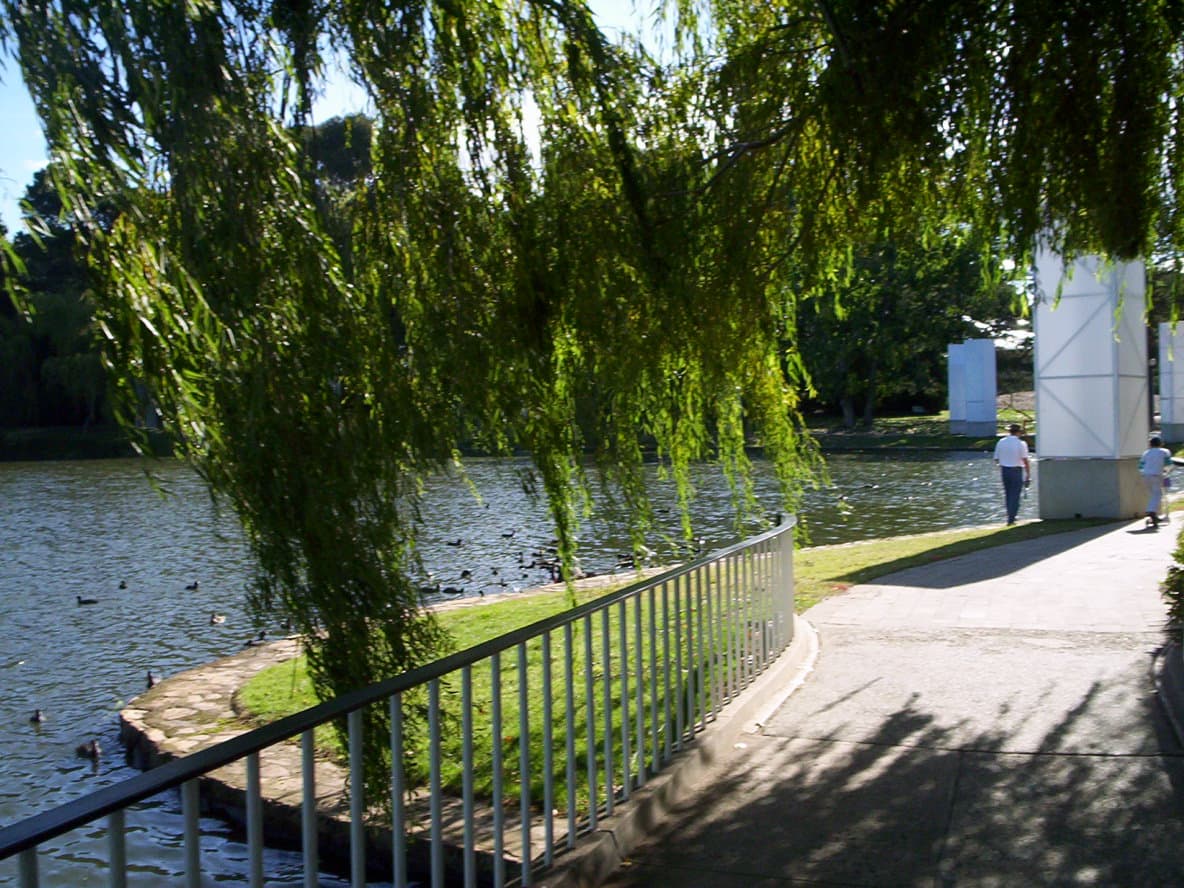
Explore the manicured gardens, public art, and seasonal festivals that make Commonwealth Park a central green space on…