
Keep reading
Nearby & related
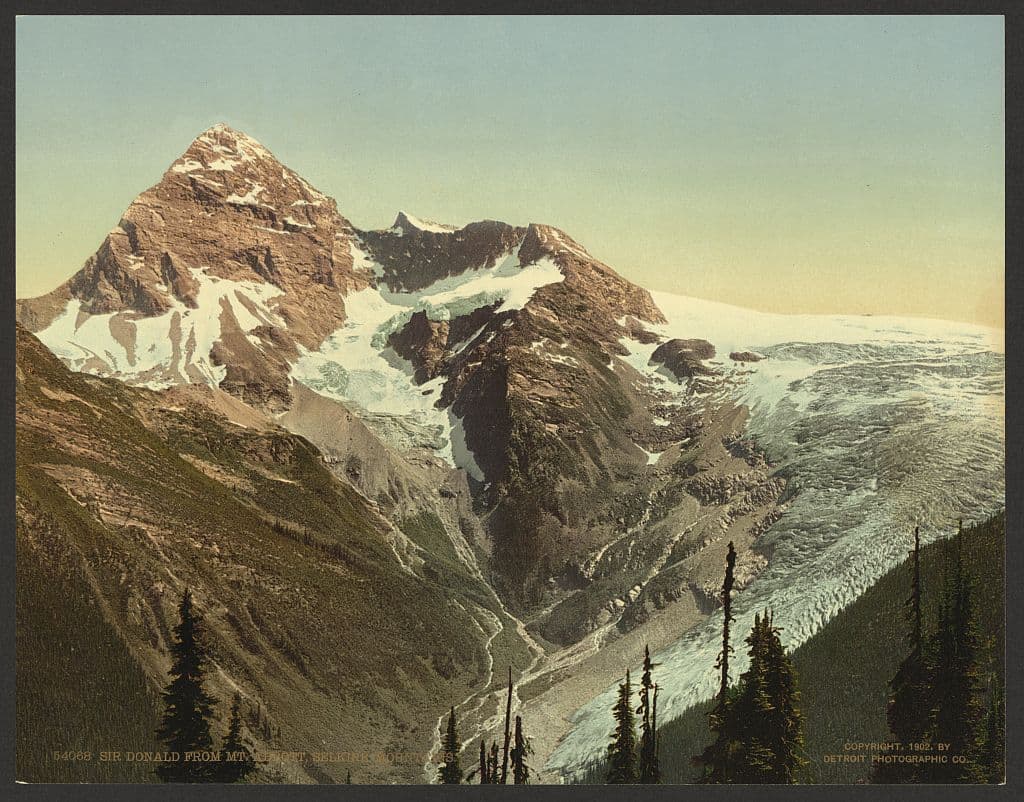
Mount Sir Donald: Scaling the Iconic Pyramid Peak in British Columbia’s Selkirks
A classic alpine summit in Glacier National Park offering dramatic rock climbing and sweeping glacier views.
31 July 2026
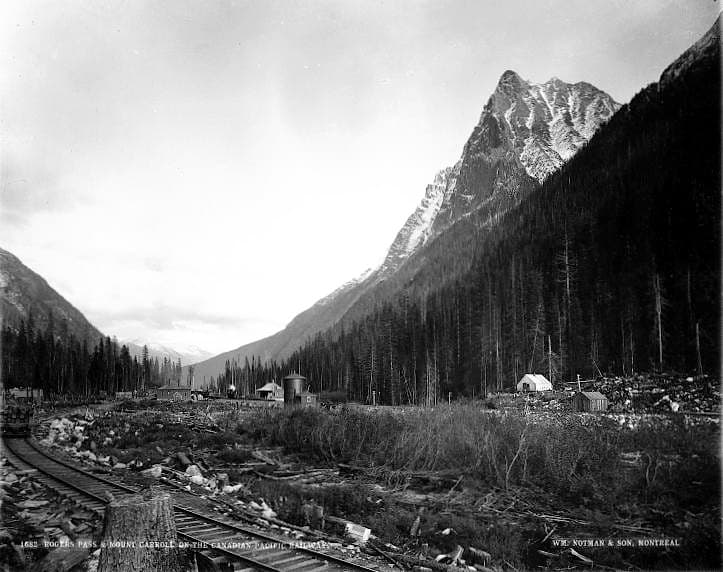
Scale the dramatic heights of Mount Macdonald for sweeping views across British Columbia’s Selkirk Mountains and Rogers Pass.
Mount Macdonald rises prominently above Rogers Pass in Glacier National Park, offering hikers a rare combination of accessible high-alpine terrain and expansive vistas of glaciated peaks and deep valleys. Its location in the Selkirk Mountains makes it a standout destination for those seeking rugged backcountry experiences without extreme technical climbing.
Access begins along the Trans-Canada Highway at Rogers Pass. Trailheads lie within easy reach of the pass area, allowing visitors to start from established parking areas and follow maintained paths that ascend through subalpine forest into open meadows and rocky ridges. The route rewards steady climbers with increasingly dramatic perspectives of surrounding summits.
July through September provides the most reliable conditions for summit attempts, when snow has receded from trails and daylight hours are long. Early summer may still hold lingering snowfields, while fall brings cooler temperatures and fewer crowds but potential early storms.
The primary draw is the summit itself, where clear days reveal the full sweep of the Selkirks, including distant icefields and the dramatic notch of Rogers Pass below. Along the way, hikers pass through wildflower meadows in season and may spot mountain goats or marmots. Photographers find excellent opportunities at ridge viewpoints and on the final rocky approach.
Glacier National Park offers additional highlights such as the Illecillewaet Valley trails and the scenic Loop Brook area. The Columbia Mountains region also connects to other national parks, allowing multi-day itineraries that include both alpine hiking and valley walks.
The route involves steady elevation gain on rocky terrain and is best suited to experienced hikers comfortable with off-trail sections near the top.
A valid national park pass is required for entry into Glacier National Park, available at park gates or online in advance.
No services exist beyond the highway; carry all water and plan for a full self-sufficient day.
Novice hikers should consider guided trips or start with easier trails in the park before tackling this exposed alpine objective.
Mountain goats, marmots, and occasionally bears frequent the area; always carry bear spray and know how to use it.
Keep reading
A classic alpine summit in Glacier National Park offering dramatic rock climbing and sweeping glacier views.