Why Mount Horaiji Draws Visitors
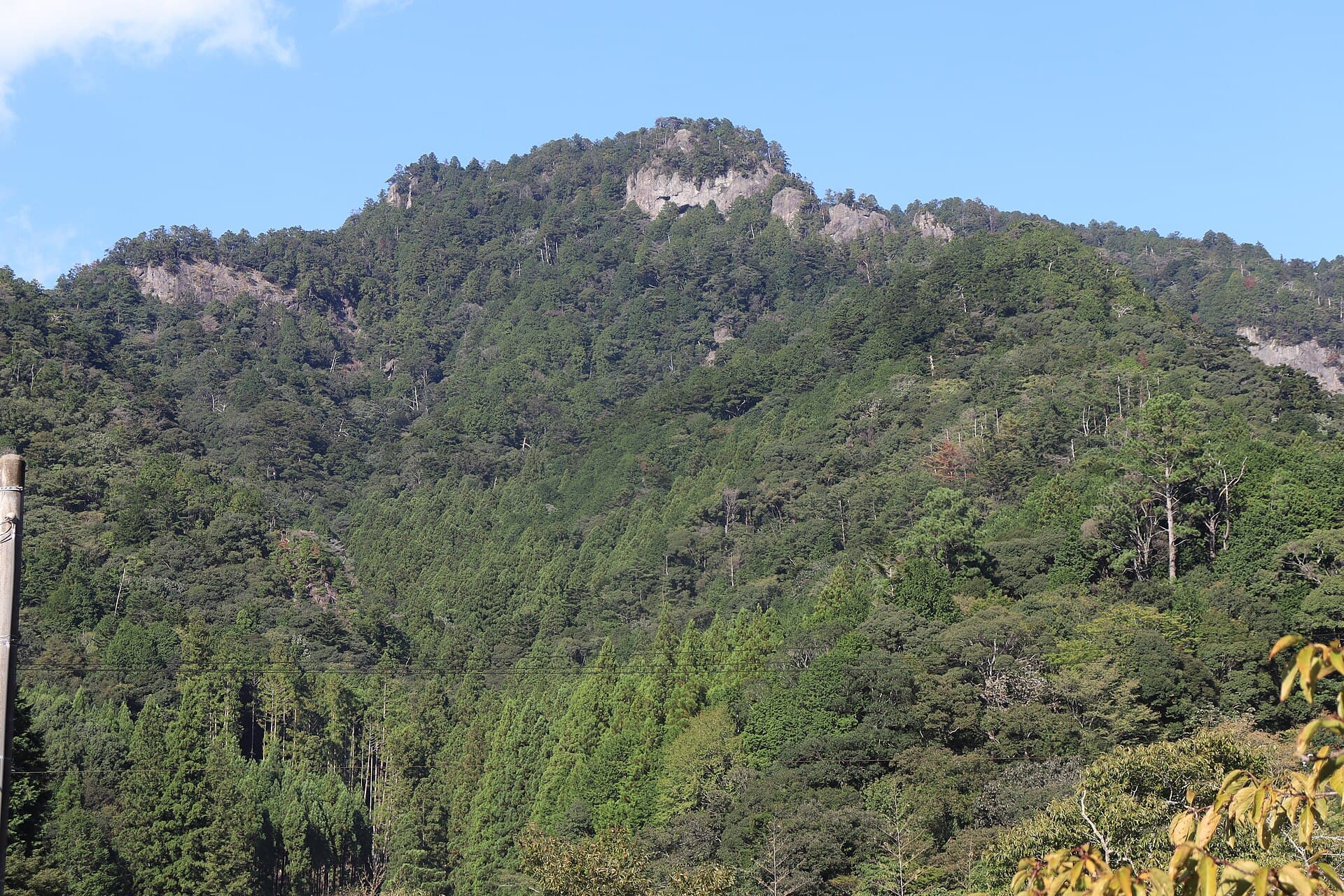
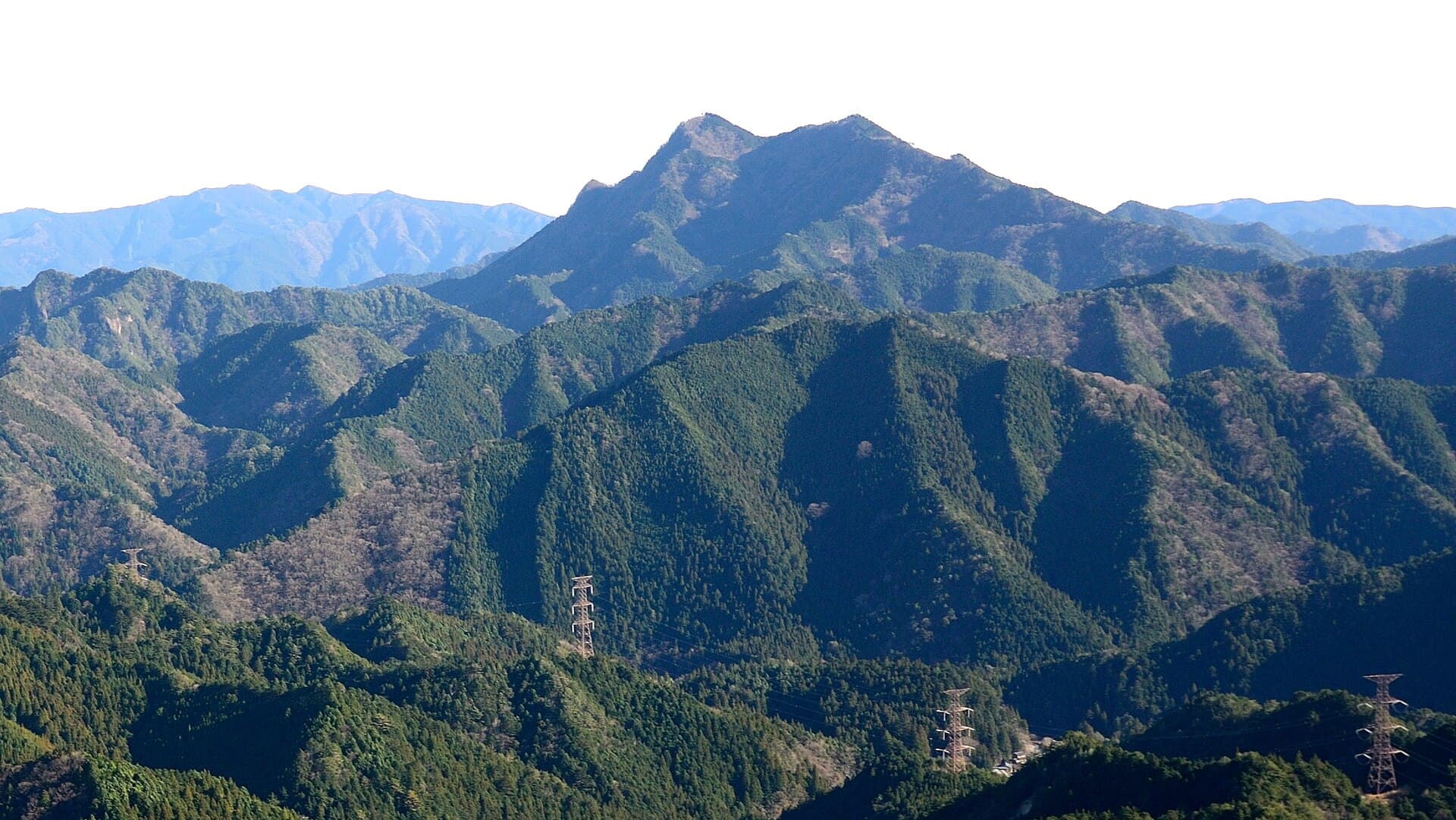
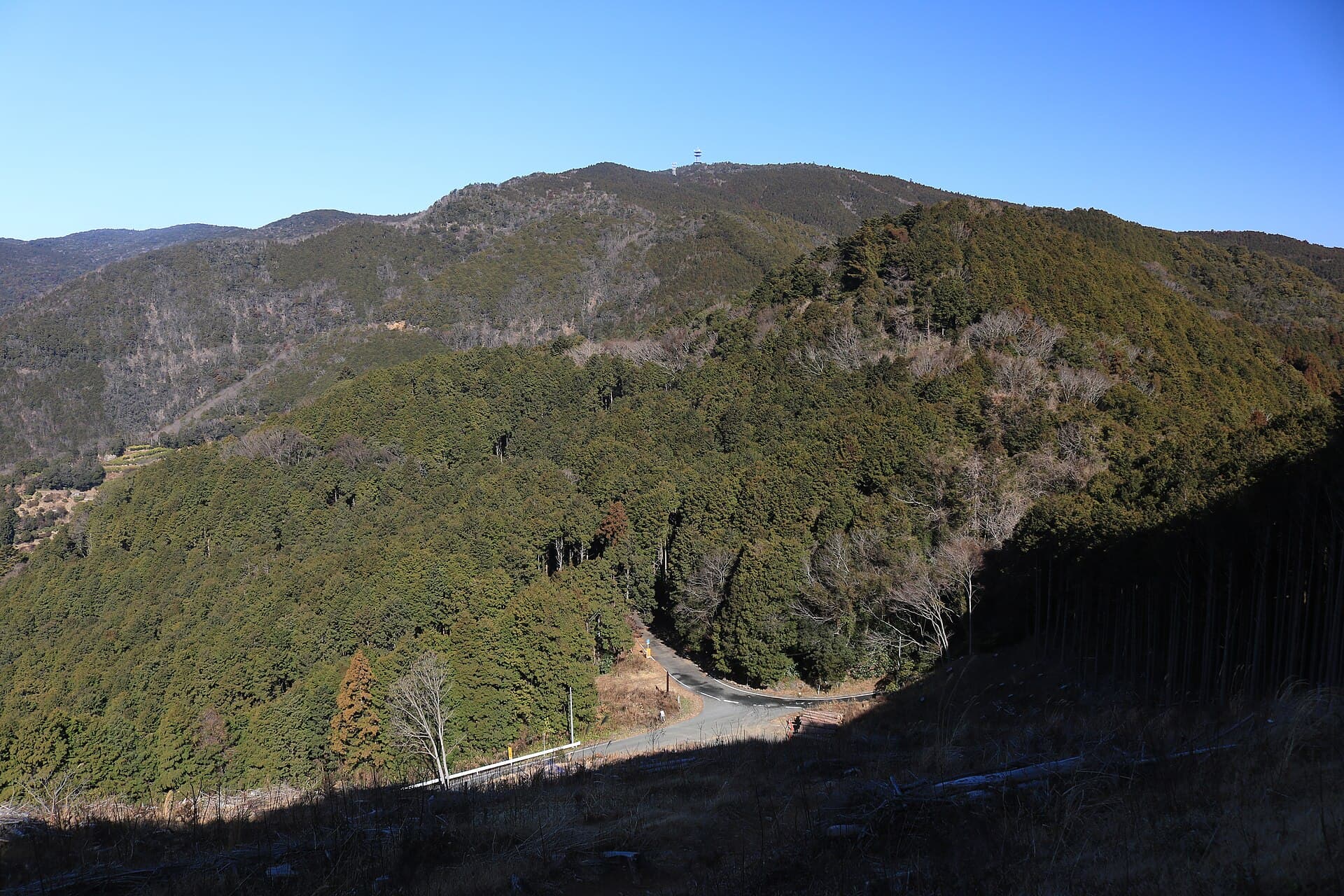
Mount Horaiji rises above the flatlands of eastern Aichi as a compact, accessible peak that combines deep spiritual history with accessible hiking. The mountain’s main draw is Horaiji Temple, founded in the early eighth century and still active today. The temple sits near the summit amid groves of giant cedar trees that have stood for centuries, creating a hushed, shaded atmosphere even on warm days.
Getting to Mount Horaiji
Most travelers reach the mountain from Toyohashi or Shinshiro Station. Local buses run to the Horaiji trailhead area; from there a short walk leads to the lower station of the mountain lift that carries visitors partway up. Those who prefer to hike the entire route can follow well-marked paths that begin at the base and climb steadily through mixed forest. The journey from central Nagoya takes roughly two hours by train and bus, making the mountain a feasible day trip.
Things to See and Do
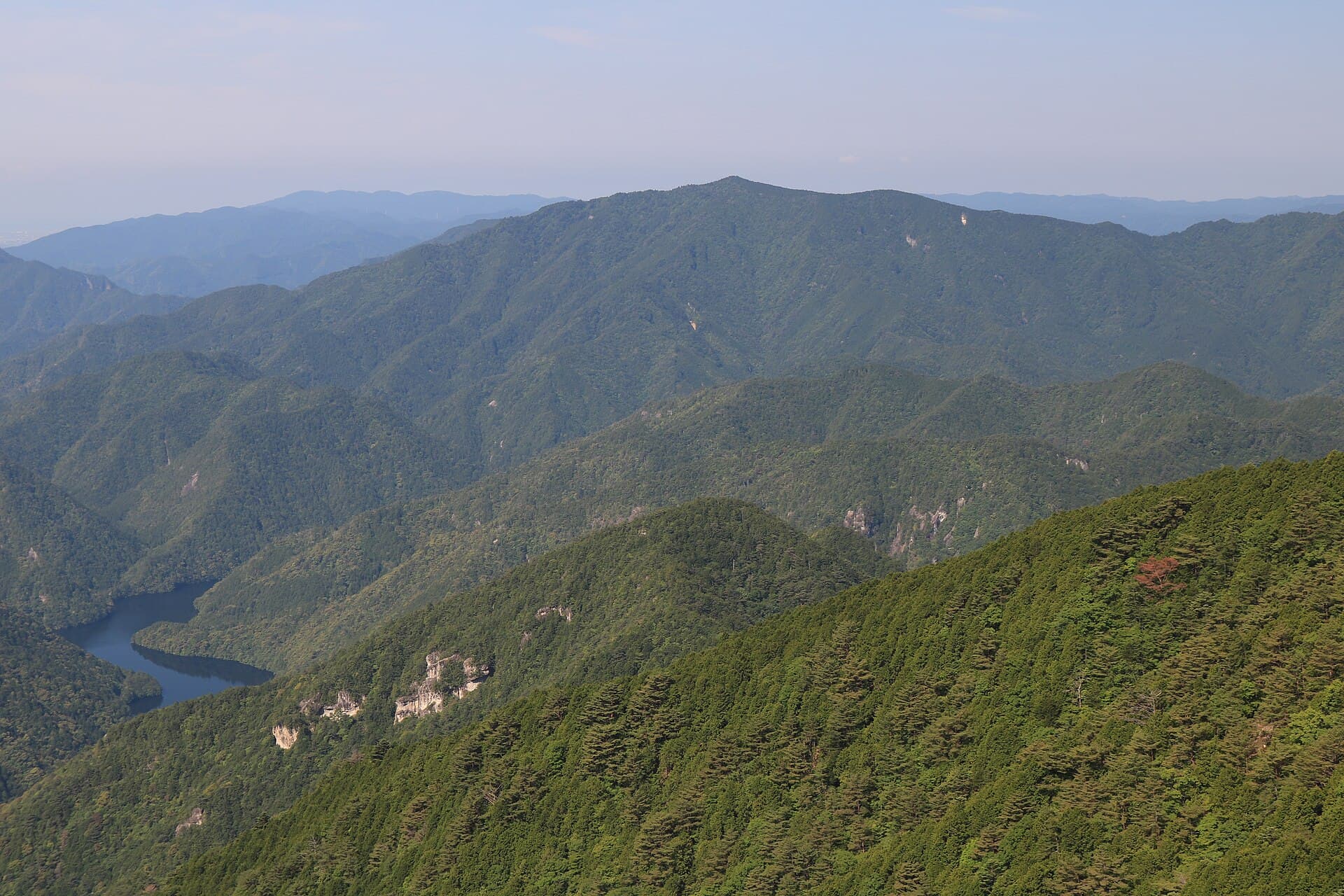
The main temple precincts feature wooden halls built into the slope and a large bronze bell. Beyond the buildings, visitors follow stone steps and forest paths lined with ancient cedars whose trunks measure several meters across. Short side trails lead to viewpoints overlooking the Toyogawa River valley and distant mountains. In quieter seasons the only sounds are wind through the cedars and the occasional call of birds or monkeys. Photographers often linger near the oldest trees or at the open ridge just below the summit.
Best Time to Visit
Spring brings fresh green foliage and occasional late cherry blossoms at lower elevations. Autumn is the most popular season, when the surrounding deciduous trees turn red and gold against the dark evergreens. Summer offers cooler air at elevation but higher humidity; winter visits are possible on clear days with fewer crowds, though snow can appear on the upper slopes.
Nearby Attractions
After descending, many travelers continue to Shinshiro’s Kurogane Park for its historic castle ruins and seasonal flower displays. The nearby town center offers small soba restaurants and shops selling local wasabi products. Further afield, the flat countryside around Shinshiro is dotted with tea fields and traditional farmhouses that reward a slow drive or bicycle ride.