Why Visit Mount Hongu
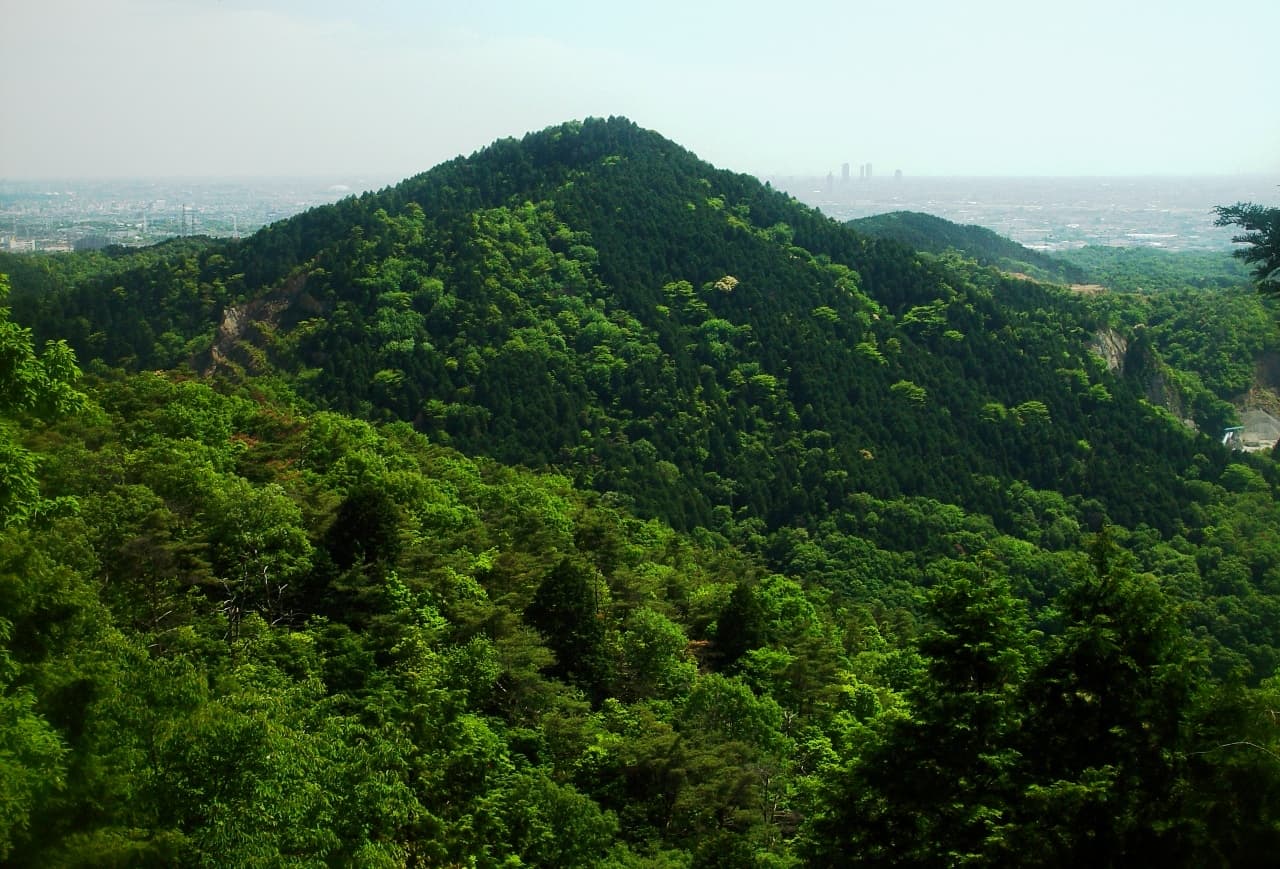
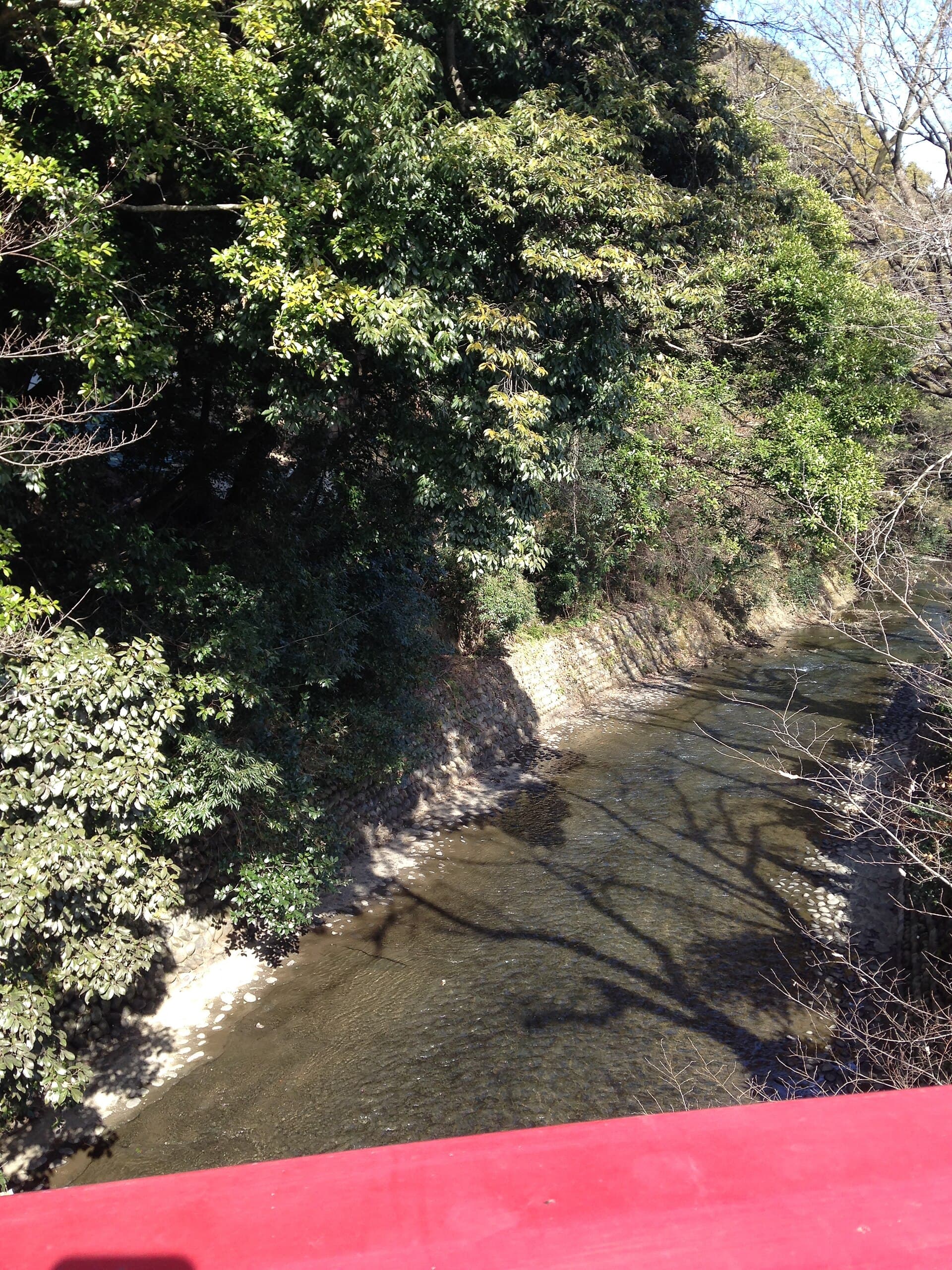
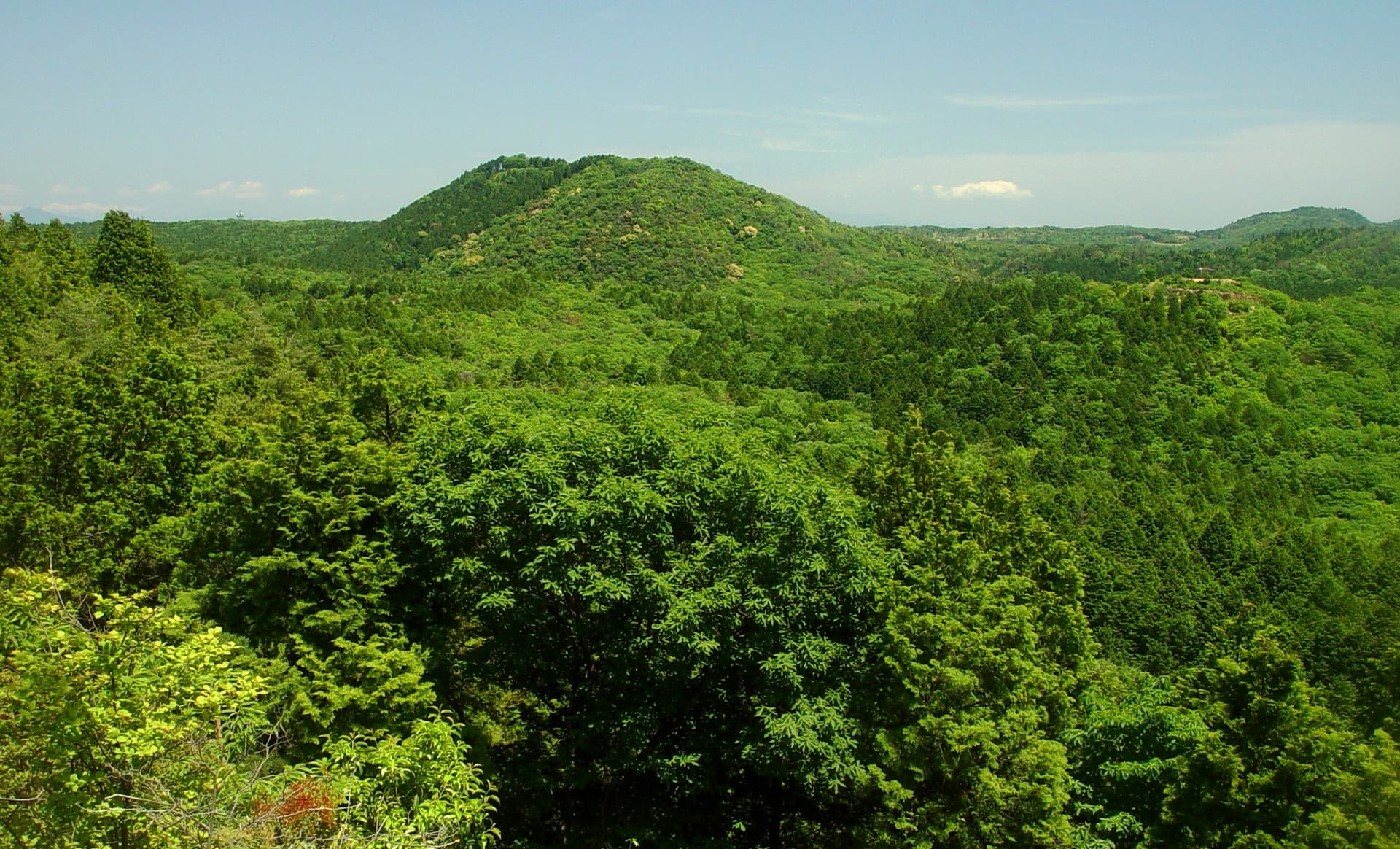
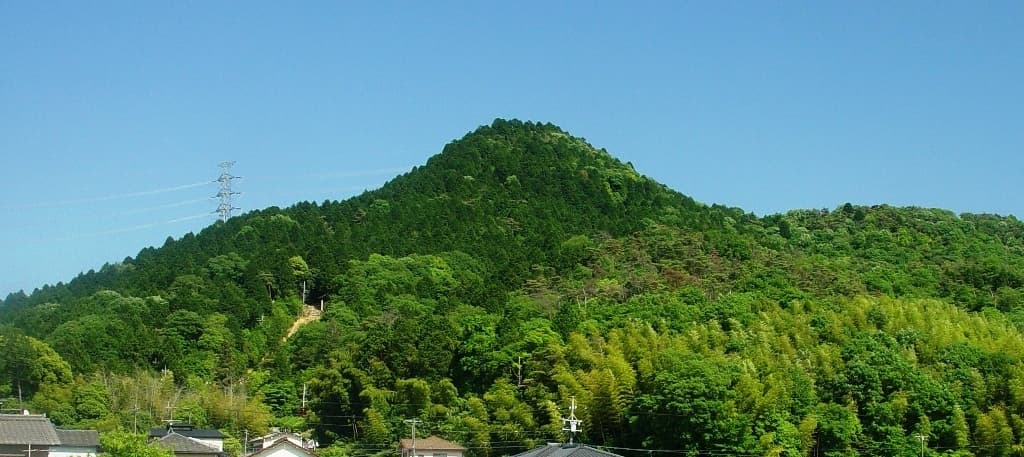
Mount Hongu rises gently above the Kiso River valley near Inuyama, offering hikers a peaceful escape into forested slopes with rewarding views over the surrounding plains and distant castle town. Unlike more crowded peaks, this mountain provides a low-key natural experience that pairs well with Inuyama’s cultural sites, letting visitors combine light trekking with the area’s blend of history and riverside scenery.
Getting There
Reach the trailhead by first traveling to Inuyama Station via the Meitetsu Inuyama Line from Nagoya. From the station, local buses run toward the base area near the river; the final stretch is a short walk along quiet roads that lead into the wooded lower slopes. Those driving can park near the trail entrance and begin the ascent directly. The route is straightforward and suitable for day trips from central Nagoya.
Trail Overview
The main path climbs steadily through mixed cedar and deciduous forest, passing occasional shrines and offering shaded rest spots. The summit rewards visitors with open vistas across the Owari Plain and, on clear days, glimpses of the Japan Alps to the north. The round-trip hike typically takes three to four hours at a relaxed pace, with several side paths for those wanting to extend their time on the mountain.
Best Time to Visit
Early spring brings fresh greenery and occasional wildflowers, while autumn delivers colorful foliage that contrasts beautifully with the river below. Summer hikes start early to avoid heat and humidity, and winter visits are possible on milder days when the bare trees reveal wider views. Weekdays are quieter than weekends throughout the year.
Nearby Attractions
After descending, combine your visit with Inuyama Castle, Japan’s oldest surviving wooden fortress, located just a short distance away. The riverside area also features traditional architecture and opportunities to watch cormorant fishing in season. Meiji Mura, an open-air museum of historic buildings, lies within easy reach for those extending their day in the region.