Discovering the Monumento all’Italia
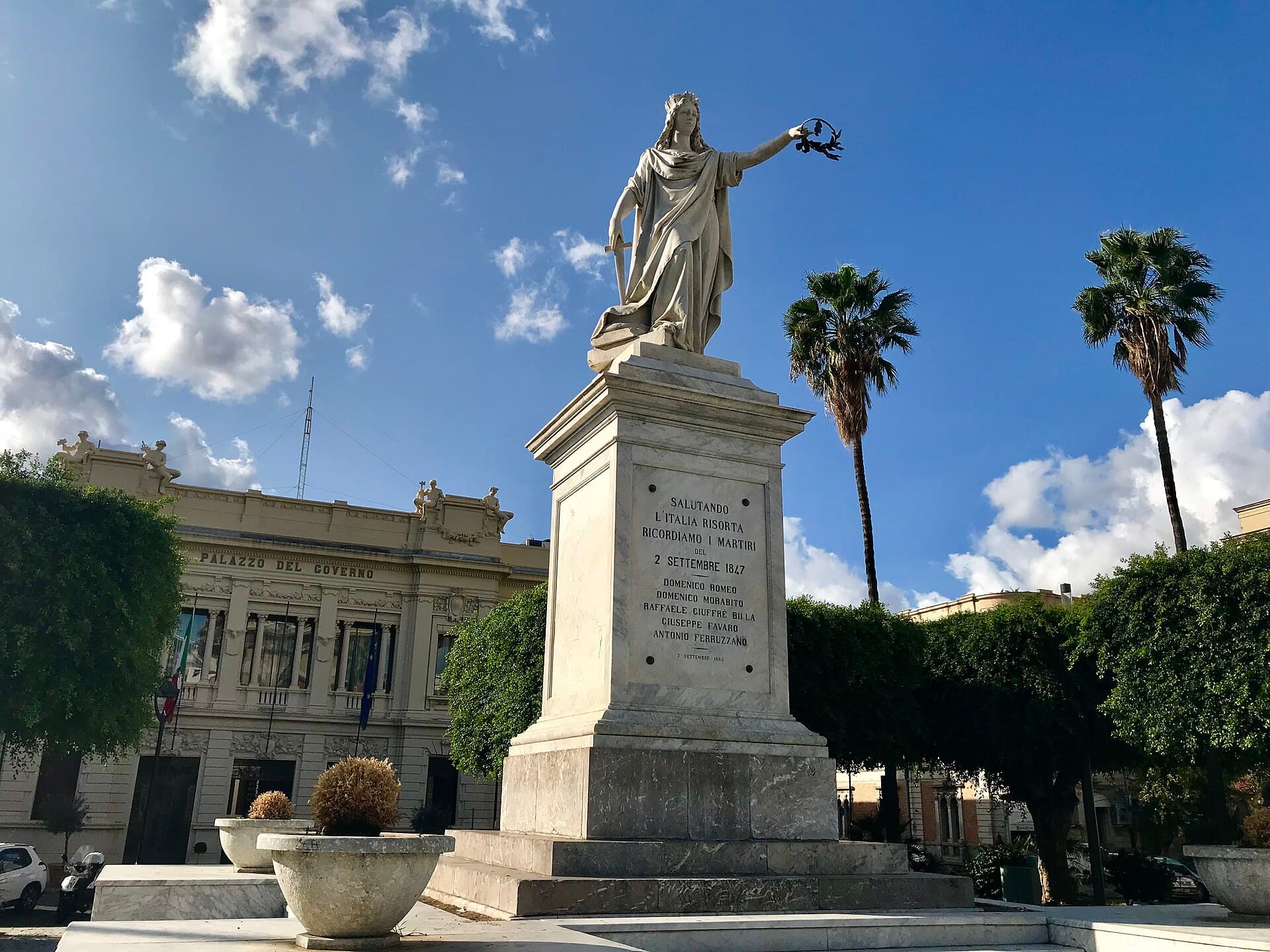
Standing on the waterfront promenade of Reggio Calabria, the Monumento all’Italia commemorates the country’s unification with a dramatic bronze and stone composition that faces Sicily across the Strait of Messina. The monument’s central figure of Italy, flanked by allegorical representations of the regions, rises above manicured gardens and offers sweeping views of the sea and the distant mountains of Etna.
Historical Background
Created in the early twentieth century to mark the fiftieth anniversary of Italian unification, the monument reflects the patriotic fervor of the period. Local sculptors and architects collaborated on the work, incorporating classical motifs with contemporary nationalist symbolism. Its placement along the lungomare ensured it became a focal point for civic ceremonies that continue to this day.
Architectural Details
The base features inscriptions from the Risorgimento era and reliefs depicting key moments of unification. Visitors can walk around the entire structure to appreciate the changing perspectives of the central female figure against the changing light of the strait.
Practical Information for Visitors
The monument sits within easy walking distance of Reggio Calabria’s central station and the main ferry terminal. Public buses and the local tram line stop nearby, while taxis and ride-share services are readily available from the airport. The surrounding gardens provide shaded benches and free drinking fountains.
Nearby Attractions
- The Lungomare Falcomatà offers a scenic 2-kilometer seaside stroll lined with palm trees and cafés.
- The National Archaeological Museum of Reggio Calabria houses the famous Riace Bronzes, a 15-minute walk inland.
- Ferries depart regularly from the port for day trips to Messina, Sicily, visible directly from the monument.
- The hillside Castello Aragonese provides panoramic views and a short uphill hike from the waterfront.
Best Time to Visit
Spring and autumn bring mild temperatures ideal for outdoor exploration, while early mornings and late afternoons avoid summer heat and cruise-ship crowds. Evening visits are especially atmospheric when the monument is illuminated against the night sky.