
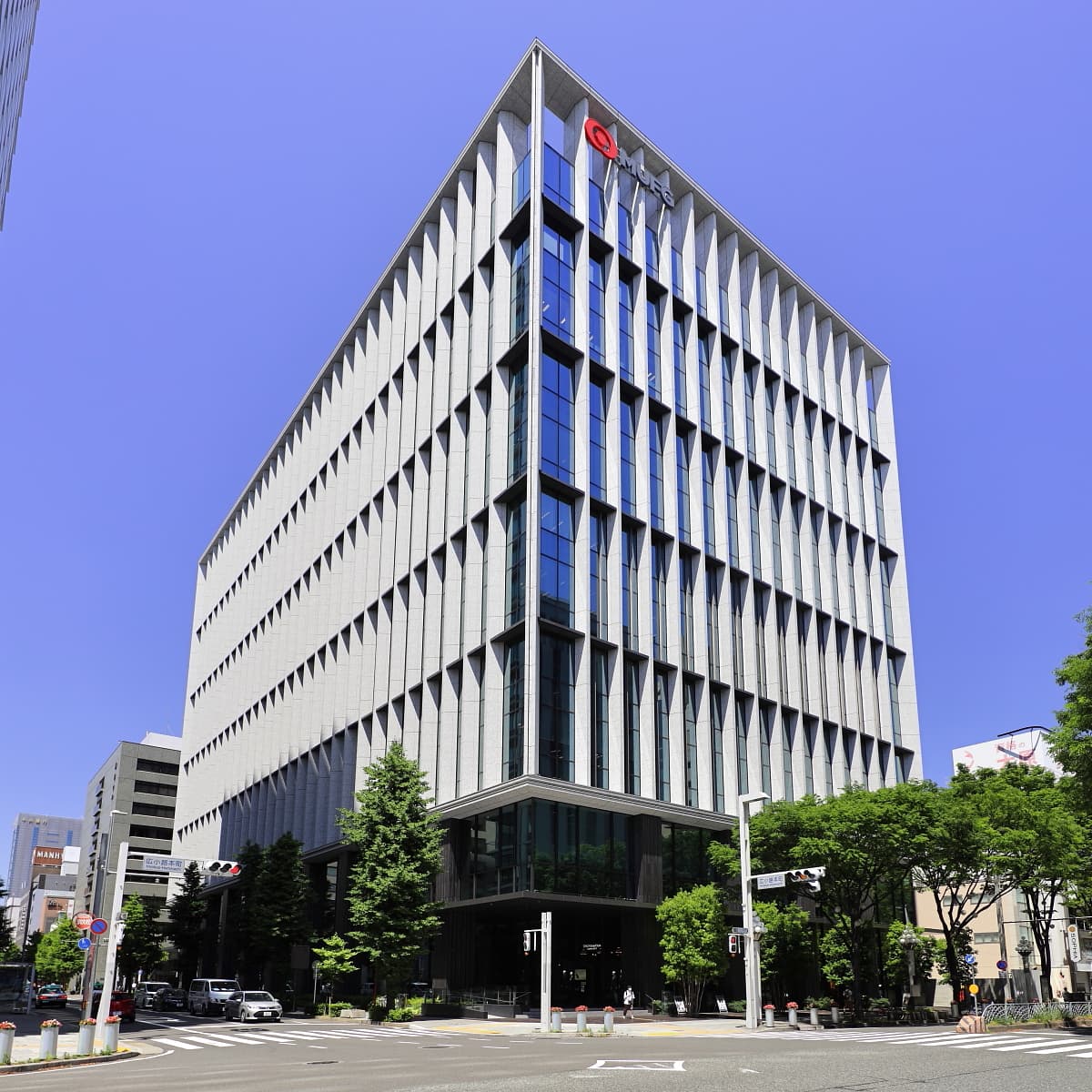
Money & Ukiyo-e Museum: Japanese Prints and Currency History in Nagoya
Explore the distinctive collection of ukiyo-e woodblock prints and monetary artifacts at this specialized museum in central Nagoya.
Discovering the Money & Ukiyo-e Museum
Located in Nishiki 3-chōme in the heart of Nagoya, the Money & Ukiyo-e Museum offers visitors a focused look at Japanese woodblock prints alongside historical currency and financial themes from the Edo period onward. The museum highlights how economic life influenced art and vice versa, presenting ukiyo-e works that depict merchants, markets, and everyday transactions alongside actual banknotes, coins, and related documents.
Highlights of the Collection
The permanent displays feature prints by masters such as Utagawa Hiroshige and Katsushika Hokusai, many showing scenes of urban commerce and travel along the Tōkaidō road. Rotating exhibitions often explore specific themes like the role of money in kabuki theater or the development of paper currency. Informative panels in Japanese and English explain the techniques of woodblock printing and the evolution of Japanese coinage, making the exhibits accessible even to those new to the subject.
How to Get There
The museum sits within easy walking distance of Sakae Station on the Higashiyama and Meijō subway lines. From Nagoya Station, take the Higashiyama Line east for about ten minutes. Several bus routes also stop nearby, and the area offers paid parking for drivers. Once in the neighborhood, combine the visit with a stroll through the surrounding covered shopping arcades that preserve some of the historic merchant atmosphere depicted in the prints.
Best Time to Visit
Spring and autumn provide the most comfortable weather for walking between the museum and nearby sites. Weekday mornings tend to be quieter, allowing more time to examine the fine details of the prints. Summer visitors should note that the indoor galleries remain air-conditioned, while winter trips pair well with nearby heated shopping districts.
Nearby Attractions
- The Nagoya City Science Museum and its planetarium lie a short walk away.
- Ōsu Kannon Temple and its vibrant electronics market offer a contrast to the refined museum atmosphere.
- Traditional Nagoya cuisine, including hitsumabushi eel rice, can be found in the Sakae dining district.
Allow two to three hours to view the galleries at a relaxed pace and read the explanatory materials. The museum’s compact size suits travelers who want a specialized cultural stop without committing an entire day.
Visitor tips
- Purchase a combined subway day pass if you plan to visit multiple central Nagoya museums in one trip.
- English audio guides are limited; consider downloading a translation app for detailed panel reading.
- Check the museum website in advance for current exhibition themes, as the ukiyo-e displays rotate regularly.
Frequently asked questions
What is the focus of the Money & Ukiyo-e Museum?
The museum examines the relationship between Japanese woodblock prints and the history of currency, showing how economic themes appear in Edo-period art.
Is the museum suitable for first-time visitors to ukiyo-e?
Yes. Clear English labels and introductory panels explain printing techniques and historical context without assuming prior knowledge.
How long does a typical visit take?
Most visitors spend two to three hours exploring the permanent collection and any temporary exhibitions.
Are there English explanations available?
Major gallery panels include English text, though some smaller labels remain in Japanese only.
What else is nearby for a full day out?
Sakae Station connects directly to the Science Museum, u014csu shopping district, and several restaurants serving local Nagoya specialties.