
Keep reading
Nearby & related
Canary Islands
Blas Cabrera Felipe Monument: Honoring a Canary Islands Physics Pioneer
Visit the monument to Blas Cabrera Felipe, the influential Spanish physicist born in the Canary Islands, set amid…
15 November 2026
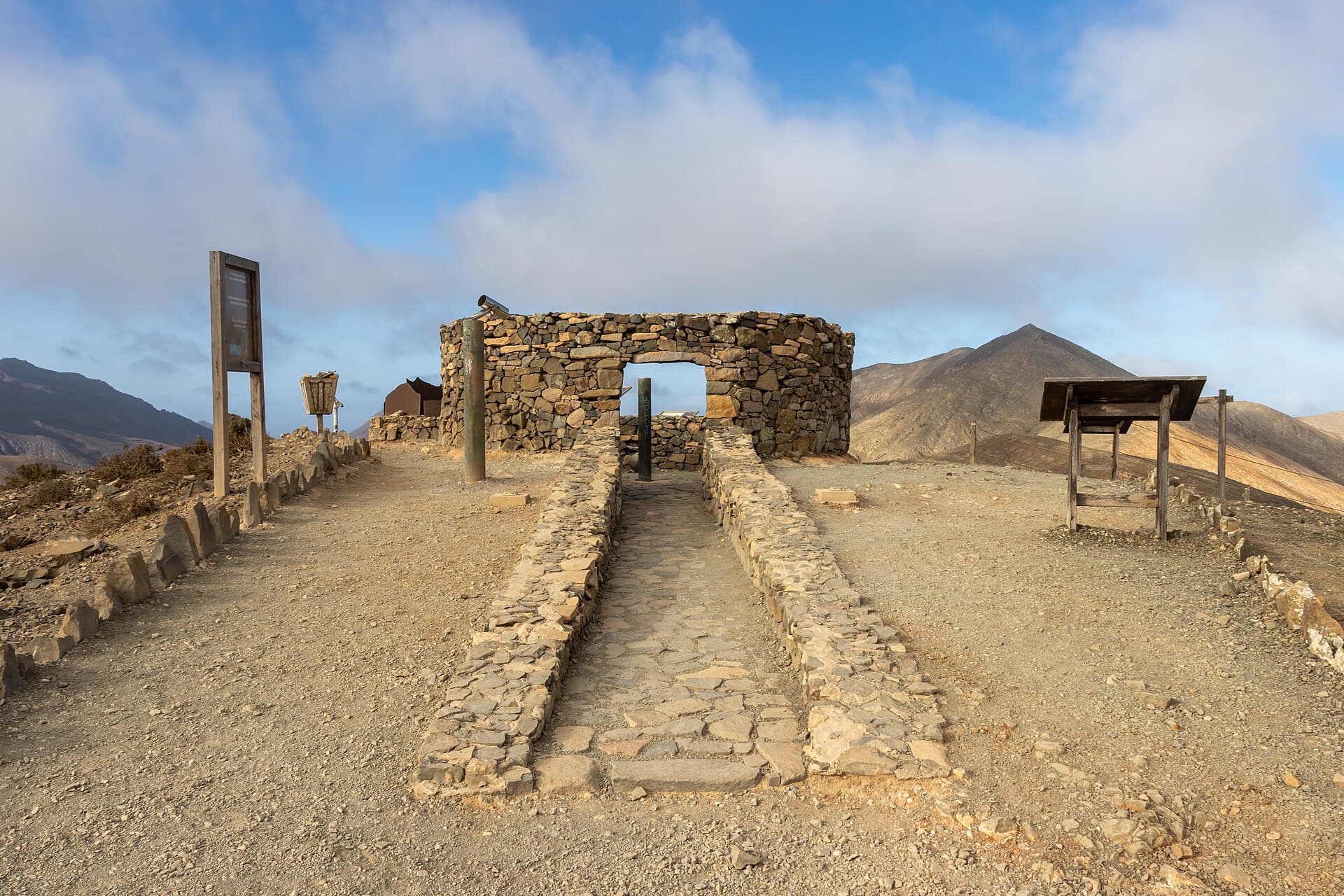
Experience dark-sky astronomy and sweeping island views at this dedicated viewpoint in the Canary Islands.
Perched on a high plateau in southern Fuerteventura, Mirador Astronómico de Sicasumbre offers some of the clearest night skies in the Canary Islands thanks to minimal light pollution and steady trade winds that keep the air crisp. The site combines an accessible viewpoint with interpretive panels explaining constellations and planetary movements, making it ideal for both casual visitors and dedicated astronomy enthusiasts.
After sunset the Milky Way becomes prominent, and the lack of urban glare allows the naked eye to pick out planets, satellites, and seasonal meteor showers. Concrete viewing platforms and low walls provide stable spots for tripods or simply leaning back to scan the sky. Daytime visitors enjoy 360-degree panoramas across the arid landscape toward the Jandía mountains and the Atlantic coast.
Reach the mirador by rental car via the FV-605 road that climbs from the coastal plain near Pájara. The final stretch is a well-maintained paved spur with parking directly beside the viewing area. Public buses do not serve the site, so independent transport or a guided stargazing tour is necessary. Allow 30 to 40 minutes from the Morro Jable area and watch for occasional strong crosswinds on the exposed ridge.
Clear conditions prevail most nights year-round, yet the period from November to March typically delivers the driest air and sharpest star fields. Arrive at least an hour before astronomical twilight to watch the sunset colors fade and let your eyes adapt. Full-moon nights reduce faint-star visibility, while new-moon weekends attract local astronomy groups.
Combine a visit with the dramatic Cofete beach on the western side of the Jandía peninsula or the lighthouse at Punta de Jandía. The same road network leads to other high viewpoints such as Pico de la Zarza for daytime hiking and coastal scenery.
Keep reading
Visit the monument to Blas Cabrera Felipe, the influential Spanish physicist born in the Canary Islands, set amid…
Yes, the paved platforms and low barriers make it safe for supervised children, though parents should bring warm clothing and supervise near the edges after dark.
No, the dark skies allow excellent naked-eye and binocular viewing; interpretive panels help identify major constellations without equipment.
The viewpoint is open continuously and offers panoramic daytime views of the Jandu00eda mountains and coastline in addition to its primary nighttime use.
No permanent facilities exist on site; plan accordingly and use services in nearby villages before ascending.
Warm layers, a reclining chair or blanket, red-light flashlight, and water are the essentials; insect repellent is rarely needed due to the dry, windy conditions.
Experience sweeping Atlantic vistas of La Gomera island from this elevated Tenerife lookout point.
This elevated viewpoint on La Palma offers unobstructed panoramas of volcanic ridges, deep barrancos, and the Atlantic…