Skip to content
Plan & Tour
DestinationsItinerariesTravel BlogAboutContact
0Sign inPlan a trip
Plan & TourPlan & Tour

Travel guides, destination inspiration and curated itineraries for Canada, the USA and beyond, plus a free tool to plan your own day-by-day trip.

Get travel inspiration

Explore

  • All Destinations
  • Curated Itineraries
  • Travel Blog
  • Plan a Trip

Topics

  • Hiking & Nature
  • Food & Drink
  • City Breaks
  • Budget Travel

Company

  • About Us
  • Contact
  • Privacy Policy
  • Terms of Service

© 2026 Plan & Tour. Built for travellers.

Discover the world, one trip at a time.

METAWATER Sewerage Science Museum Nagoya: An Insider’s Guide to Japan’s Wastewater Wonder
  1. Home
  2. Destinations
  3. Aichi Prefecture
  4. METAWATER Sewerage Science Museum Nagoya: An Insider’s Guide to Japan’s Wastewater Wonder
Museum

METAWATER Sewerage Science Museum Nagoya: An Insider’s Guide to Japan’s Wastewater Wonder

Discover how Nagoya turns wastewater into a resource at this hands-on museum dedicated to sewerage science and urban sustainability.

Aichi PrefectureUpdated 13 August 2026

Why Visit METAWATER Sewerage Science Museum Nagoya

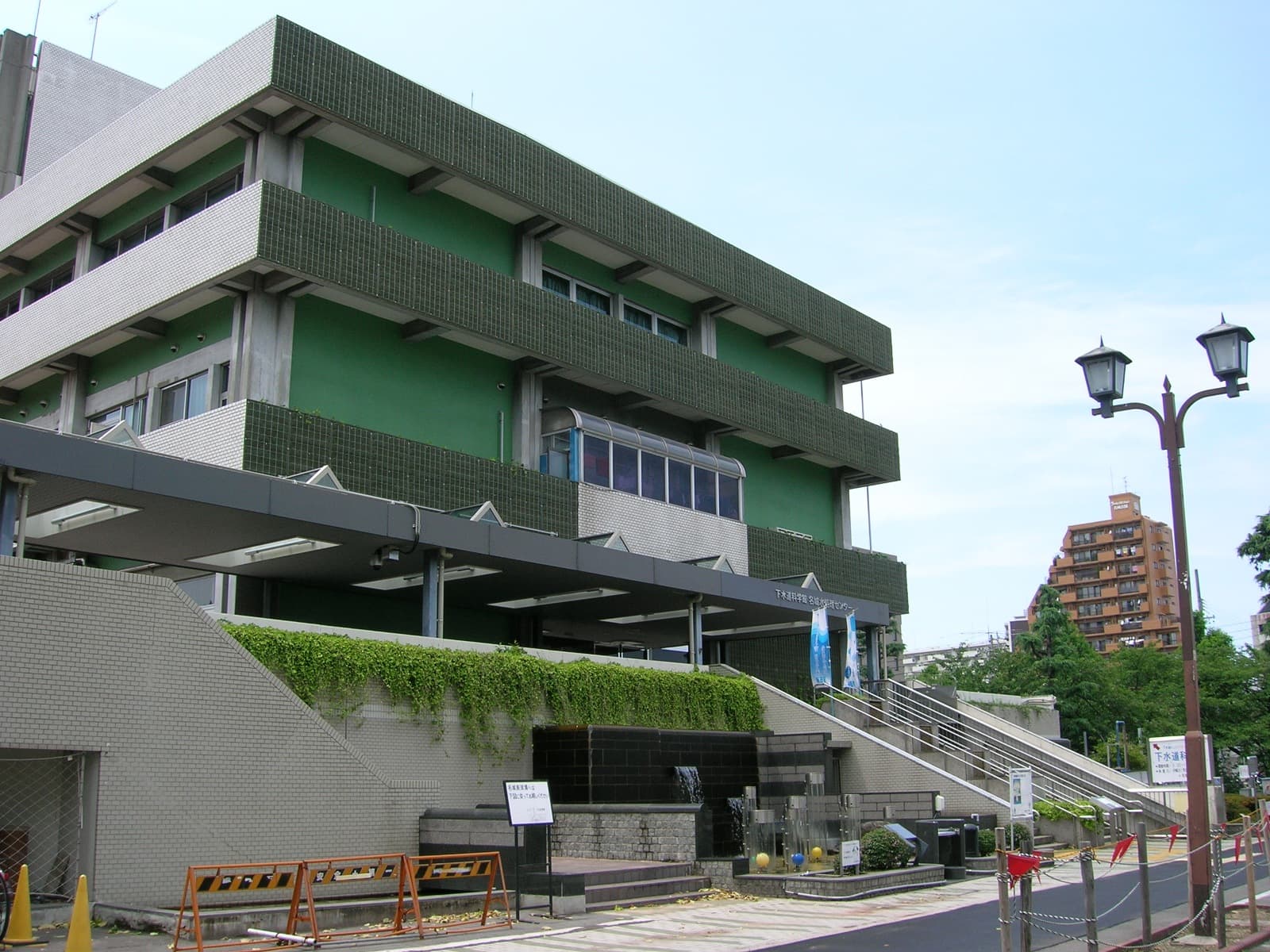
Hidden in Aichi Prefecture, the METAWATER Sewerage Science Museum Nagoya offers a rare, behind-the-scenes look at one of the most essential yet overlooked systems in modern cities: sewerage infrastructure. Rather than a dry technical display, the museum uses interactive models, clear explanations, and real equipment to show how wastewater is collected, treated, and returned safely to the environment. Visitors leave with a concrete understanding of water cycles and the engineering that keeps urban life clean.

What to See and Do

Start with the large-scale sectional models of treatment plants that demonstrate each stage of the process, from screening debris to biological purification. Hands-on exhibits let you operate valves and pumps to simulate flow control, while displays trace the history of Nagoya’s sewerage network from early 20th-century challenges to today’s advanced facilities. Children and adults alike enjoy the odor-control demonstrations and the chance to examine actual sludge-processing machinery up close. Temporary galleries often highlight current topics such as microplastics in waterways or energy recovery from wastewater.

Practical Visit Flow

  • Begin on the ground floor for an orientation film that sets the context for the entire facility.
  • Move upstairs to the interactive zone where visitors can test water-quality sensors and compare treated versus untreated samples.
  • End at the observation deck overlooking the adjacent real treatment plant, weather permitting.

How to Get There

The museum sits in southern Nagoya, easily reached by public transport. Take the subway to a station on the Meijo or Sakura-dori line, then transfer to a short bus or ten-minute walk. Taxis from Nagoya Station take roughly 20 minutes depending on traffic. Cyclists can use dedicated paths along the nearby canals that feed into the treatment system.

Best Time to Visit

Any season works, though spring and autumn offer comfortable temperatures for walking between the museum and surrounding green spaces. Weekday mornings tend to be quieter, allowing more time with popular interactive stations. School groups visit regularly, so afternoons can be livelier; families often combine the trip with a picnic in adjacent parks.

Nearby Attractions

After exploring the science of water, stroll the canal-side paths that connect to local parks or visit the nearby port area for views of Nagoya’s industrial heritage. The museum pairs naturally with visits to other Aichi science centers focused on manufacturing and the environment, creating a full day of educational tourism without retracing steps.

Visitor tips

  • Wear comfortable shoes; the museum involves some walking between floors and outdoor observation areas.
  • Bring a reusable water bottleu2014free tasting stations let you compare different stages of treated water.
  • Download a translation app beforehand if you do not read Japanese, as some detailed panels remain in the local language only.

Frequently asked questions

Is the METAWATER Sewerage Science Museum Nagoya suitable for children?+

Yes. Interactive pumps, odor experiments, and clear diagrams make the science accessible and engaging for elementary-age visitors and older.

How long should I plan to spend at the museum?+

Most visitors spend 90 minutes to two hours exploring the exhibits and observation areas at a comfortable pace.

Do I need to understand Japanese to enjoy the museum?+

English signage covers the main exhibits; staff can provide simple explanations, and visual models convey most information without language.

Is photography allowed inside?+

Non-flash photography is permitted throughout the public areas for personal use.

Can I combine a visit with other Nagoya attractions on the same day?+

Absolutely. The museumu2019s location near transport links makes it easy to pair with canal walks, port-area sights, or other Aichi science venues.

Share
Google Maps Apple Maps Directions

Visitor info

  • 09:30-16:30
  • Mo off

Official website

Contact info via © OpenStreetMap contributors · Wikidata

Image: KAMUI · CC BY-SA 3.0 · via Wikimedia Commons

Keep reading

Nearby & related

All stories
Ichibatasan Yakushiji: A Serene Temple Museum in Aichi Prefecture
Aichi Prefecture

Ichibatasan Yakushiji: A Serene Temple Museum in Aichi Prefecture

Experience the quiet spiritual atmosphere and historic Yakushi devotion at this temple complex in rural Aichi.

13 August 2026
Fuji Antarctic Museum: Japan’s Polar Legacy in Aichi Prefecture
Aichi Prefecture

Fuji Antarctic Museum: Japan’s Polar Legacy in Aichi Prefecture

Explore the preserved icebreaker Fuji and artifacts from Japan’s Antarctic research at this distinctive waterfront…

13 August 2026
名古屋市農業文化園: Exploring Nagoya’s Agricultural Heritage in Aichi
Aichi Prefecture

名古屋市農業文化園: Exploring Nagoya’s Agricultural Heritage in Aichi

Discover traditional farming tools, seasonal gardens, and local crop history at this engaging museum park just outside…

13 August 2026