
Keep reading
Nearby & related
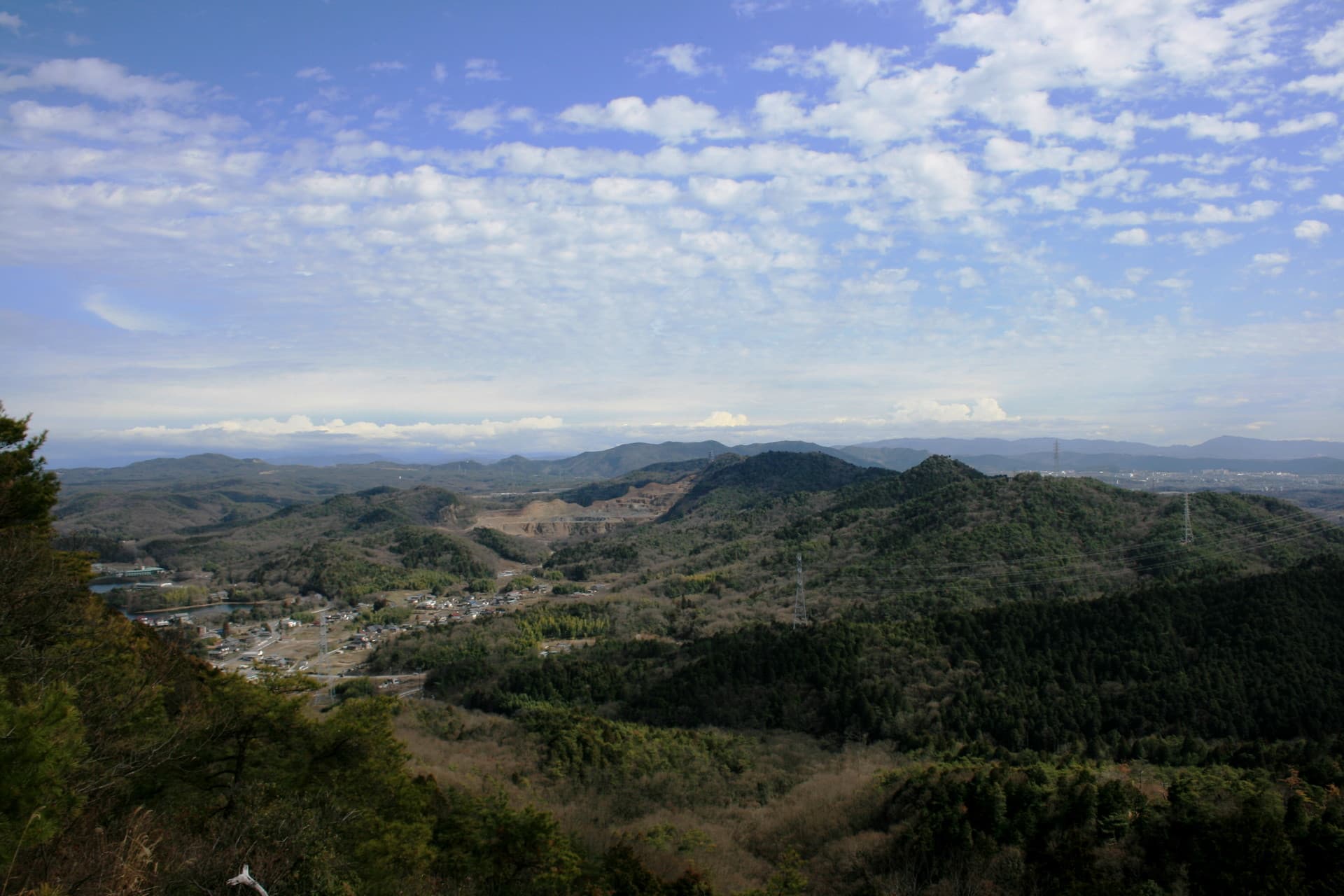
Mount Owari Haku: Hiking the Gentle Peak Above Komaki
A compact Aichi mountain offering forest paths, shrine visits, and wide views toward Nagoya.
14 August 2026
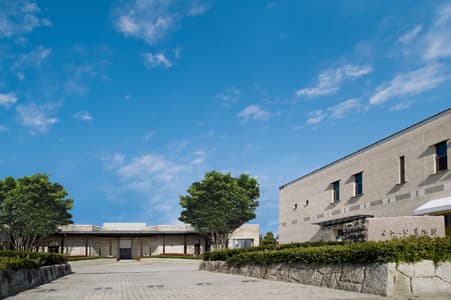
Explore the refined holdings and tranquil setting of this Aichi Prefecture museum built around a corporate collection of paintings and sculpture.
The Menard Art Museum in Komaki houses a focused private collection that pairs Japanese modern works with selected European paintings from the late 19th and early 20th centuries. Founded by the Menard cosmetics company, the museum emphasizes quality over quantity and displays pieces in a calm, naturally lit setting that encourages slow viewing.
Visitors encounter works by Japanese artists such as Ryuzaburo Umehara and Takanori Ogisu alongside French painters including Pierre-Auguste Renoir and Maurice Utrillo. The rotation of exhibitions highlights different themes—portraiture, landscape, or still life—while permanent displays feature sculpture and ceramics. The building itself is modest and low to the ground, allowing the surrounding garden to frame many of the windows.
A compact Japanese garden with seasonal plantings and a small pond provides a quiet outdoor space between galleries. The architecture uses wood and stone to create a residential scale rather than a monumental one, which suits the intimate size of the holdings.
Komaki sits north of central Nagoya. The museum is reached by a short taxi ride or local bus from Komaki Station on the Meitetsu Komaki Line. Travelers arriving at Nagoya Station can transfer once and reach Komaki in roughly 30 minutes. On-site parking is available for those driving from the expressway exits.
The museum remains open year-round. Spring brings flowering trees to the garden, while autumn offers cooler temperatures and fewer crowds. Weekday mornings are the quietest periods, allowing unhurried time with the works.
Komaki Castle and its hilltop park lie a short distance away, offering views over the plain and a contrast to the indoor focus of the museum. Further afield, the historic post town of Arimatsu and the ceramic heritage sites around Seto provide additional day-trip options for visitors interested in regional crafts.
Most visitors spend between one and two hours inside the galleries and garden.
Photography without flash is usually allowed in the permanent collection areas but may be restricted during special exhibitions.
Basic English labels accompany many works, though the depth of information is greater in Japanese.
The single-story layout and garden paths are largely step-free, with ramps provided where needed.
Same-day admission is normally available, though advance tickets are recommended for popular temporary shows.
Keep reading
A compact Aichi mountain offering forest paths, shrine visits, and wide views toward Nagoya.