Why the Medellín Museum of Modern Art Matters
The Medellín Museum of Modern Art, known locally as MAMM, stands out for its focused collection of 20th- and 21st-century Colombian works. Rather than broad international surveys, the museum highlights artists shaped by the country’s social and urban transformations, offering visitors direct insight into regional creativity that larger Bogotá institutions often overlook.
Highlights Worth Seeing
Permanent holdings emphasize painting, sculpture, photography, and video from mid-century onward. Expect strong representation of Antioquian artists alongside national figures who explored themes of violence, migration, and renewal. Rotating exhibitions frequently introduce emerging voices and site-specific installations that respond to Medellín’s rapid modernization. The building’s clean lines and generous windows create natural dialogue between indoor galleries and the surrounding cityscape.
Architecture and Setting
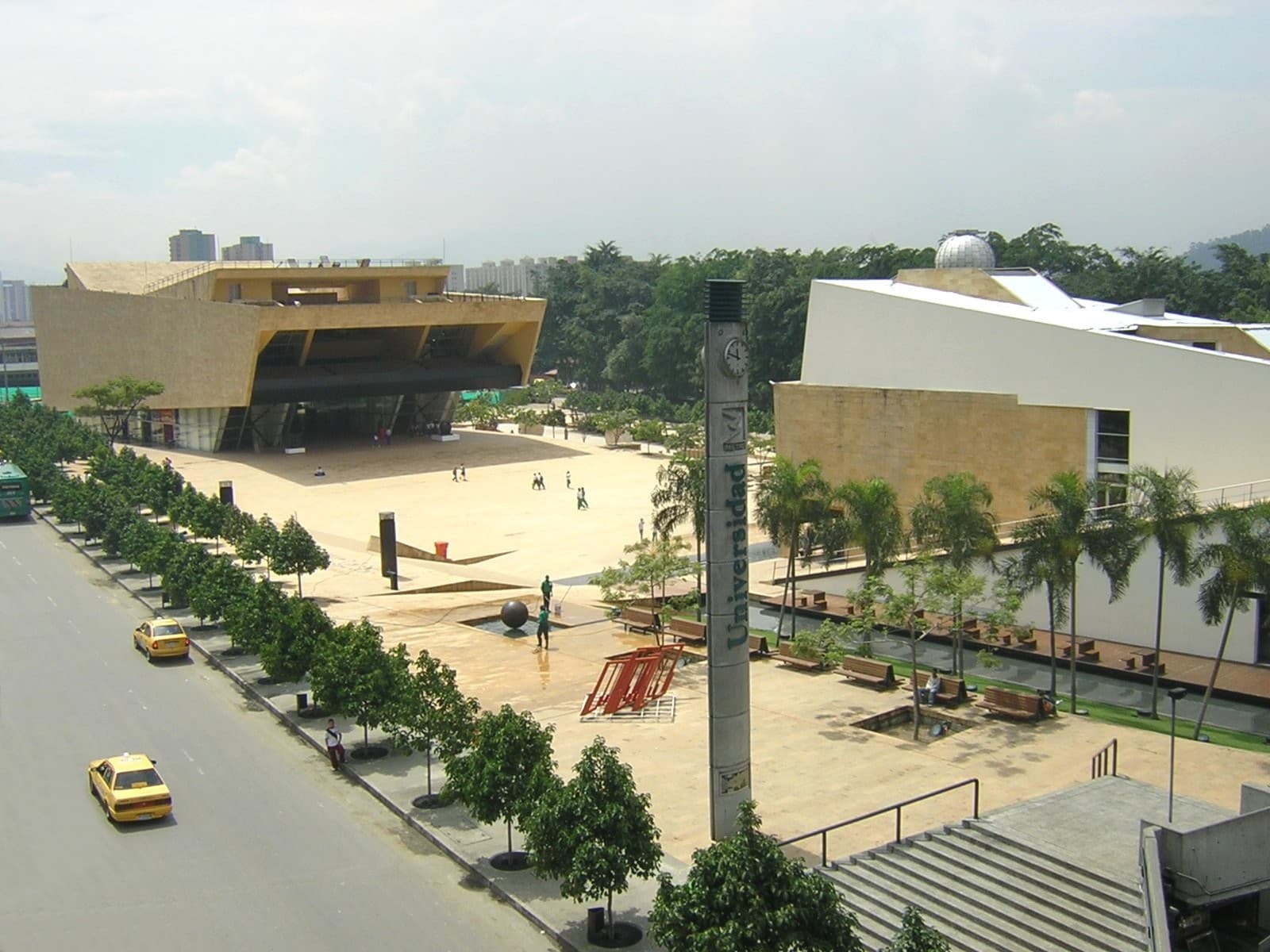
The museum occupies a purpose-built structure in the Ciudad del Río district. Its open plazas and elevated walkways connect visitors to the Medellín River path, turning the visit into an easy extension of a riverside stroll. Outdoor terraces provide space for reflection between galleries.
Getting There
Medellín’s Metro system offers the most reliable access. Ride Line A to Industriales station, then walk five minutes east toward the river. Taxis and ride-share apps reach the entrance quickly from El Poblado or Laureles. Cyclists can use the dedicated river path that passes directly beside the museum grounds.
Best Time to Visit
Medellín’s consistent spring-like climate makes any season comfortable for indoor exploration. Weekday mornings tend to be quieter, allowing more time with the works. Rain showers are common in the afternoons year-round, so the museum serves as an ideal refuge. Major exhibition openings often coincide with the city’s cultural calendar in March and October.
Nearby Attractions
Combine a visit with a walk along the river promenade toward the Botanical Garden or the Explora Park science center. The Museo Casa de la Memoria, focused on recent history, sits a short distance upstream. Plaza Botero and its monumental sculptures lie further north via metro, creating a natural art-focused itinerary across the city.