Why Visit Mbella Assom Lake
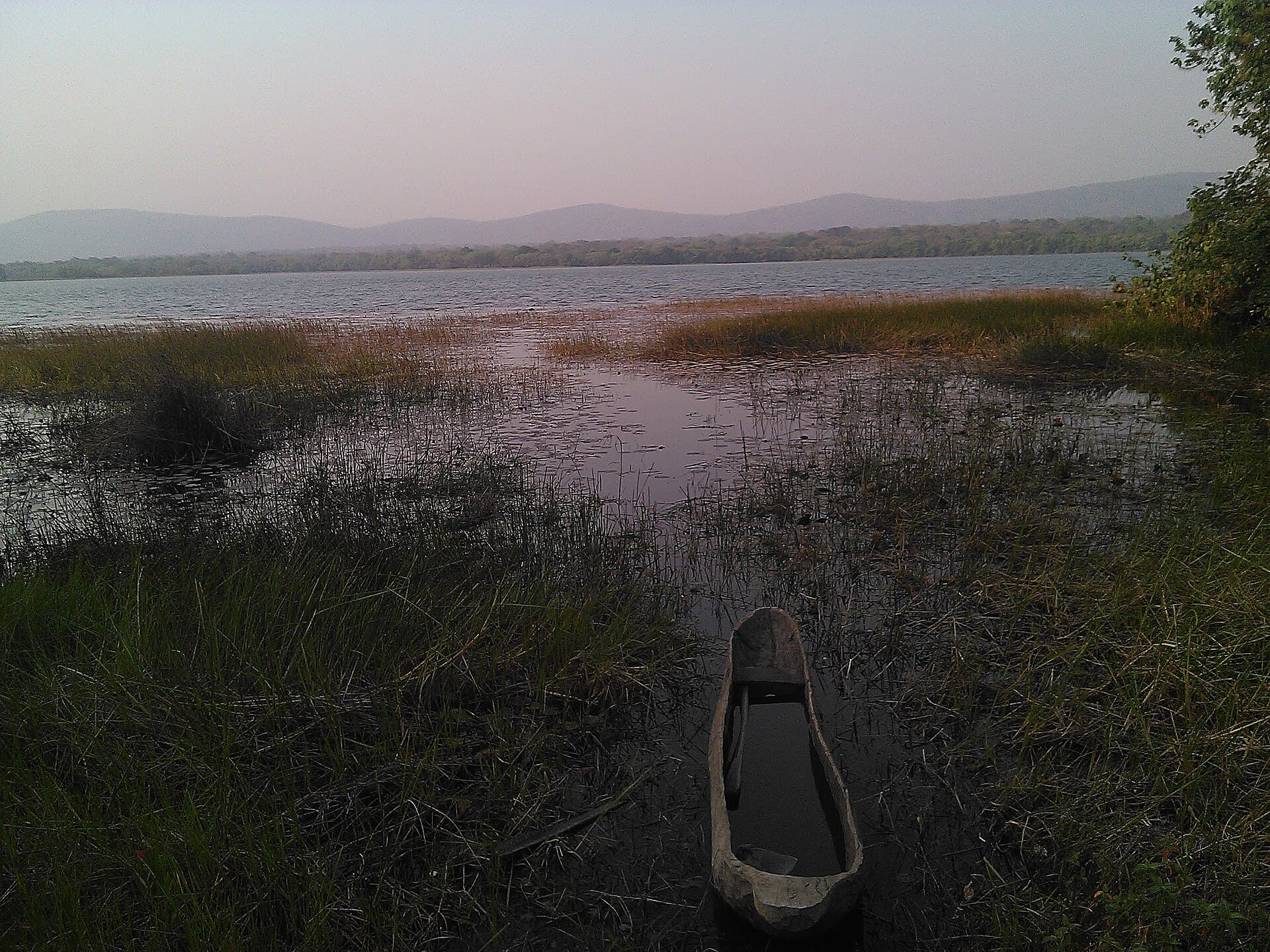
Mbella Assom Lake sits on the Adamawa Plateau, where rolling grasslands meet scattered rocky outcrops and gallery forests. Its calm waters reflect the surrounding hills, creating a landscape suited to quiet walks, birdwatching, and simple relaxation away from busier tourist routes.
Things to See and Do
Follow the shoreline paths to observe waterbirds such as herons and kingfishers that frequent the reed beds. Local fishermen often work from small wooden boats at dawn and dusk; visitors can watch or, with permission, join a short trip to understand traditional fishing methods. Gentle hikes lead up the low hills that ring the lake, offering panoramic views across the plateau toward distant inselbergs. In the surrounding savanna, look for antelope tracks and seasonal wildflowers after the rains.
Photography and Nature Observation
The changing light at sunrise and sunset paints the water in warm tones, making these hours ideal for photography. Bring binoculars for distant wildlife sightings and a notebook to record bird species.
How to Get There
Reach the lake by road from Ngaoundéré, the regional capital roughly 90 kilometers to the south. Shared taxis and minibuses run along the main highway toward the north; ask to be dropped at the turnoff for Mbella Assom, then continue by motorcycle taxi or on foot along the final track. Travelers with their own vehicle will find the route straightforward during the dry season, though a high-clearance vehicle helps on the later unpaved section.
Best Time to Visit
The period from November to February offers the most comfortable conditions, with cooler temperatures and lower rainfall. March to May brings hotter days and the start of storms, while June to October sees heavy rains that can make access tracks muddy and limit activities. Early morning visits avoid the midday heat year-round.
Nearby Attractions
Combine a lake visit with a stop in Ngaoundéré to explore its market and the nearby crater lakes of the Mandara Mountains. Further north, the wildlife reserves of the Adamawa region provide opportunities to see larger mammals, while the cooler highlands around Meiganga offer additional hiking trails through similar savanna scenery.