
Keep reading
Nearby & related
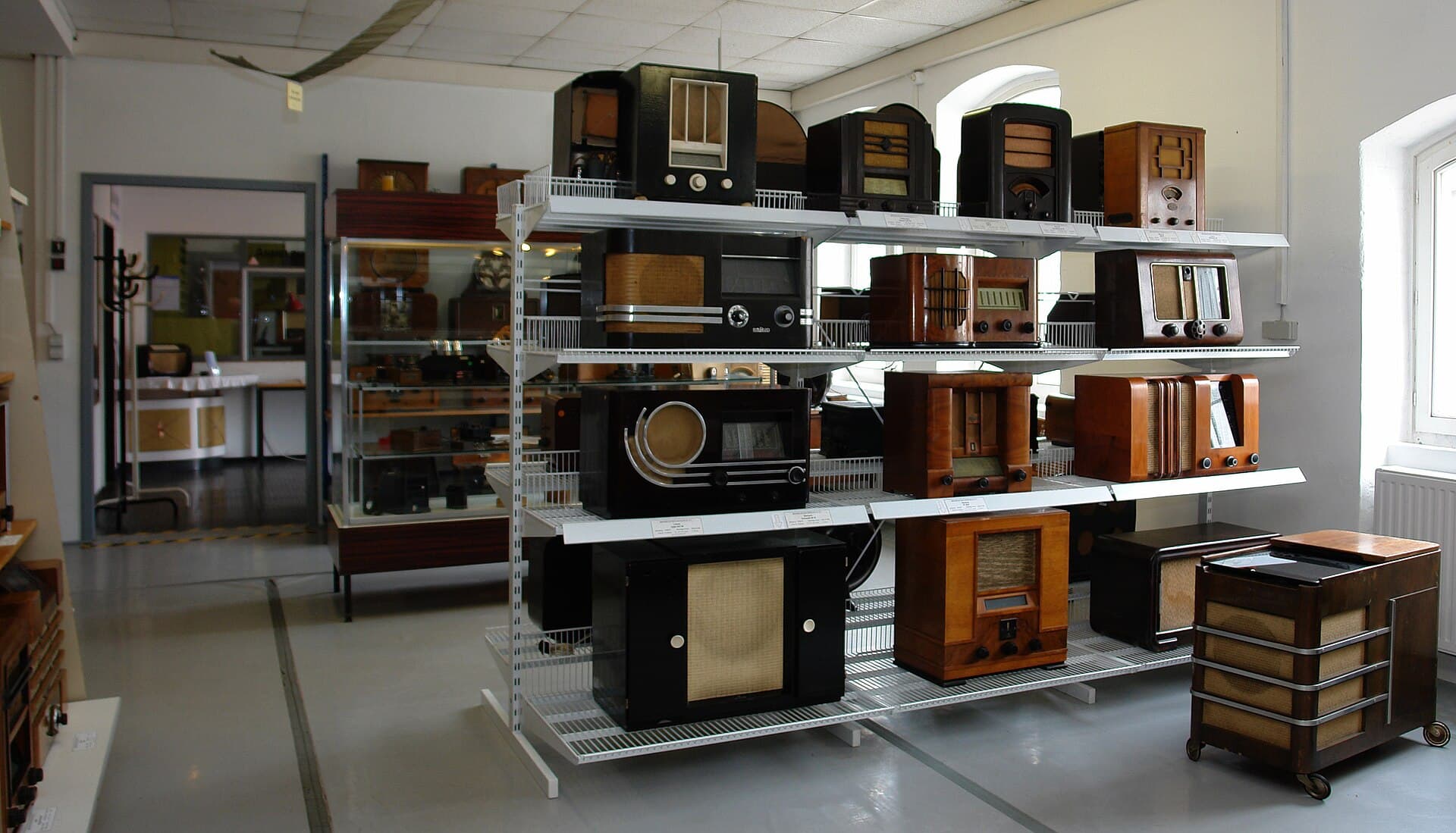
Bremer Rundfunkmuseum: Exploring Bremen’s Broadcasting Heritage
Step into the history of radio and television at this specialized museum in Bremen’s Findorff district.
14 October 2026
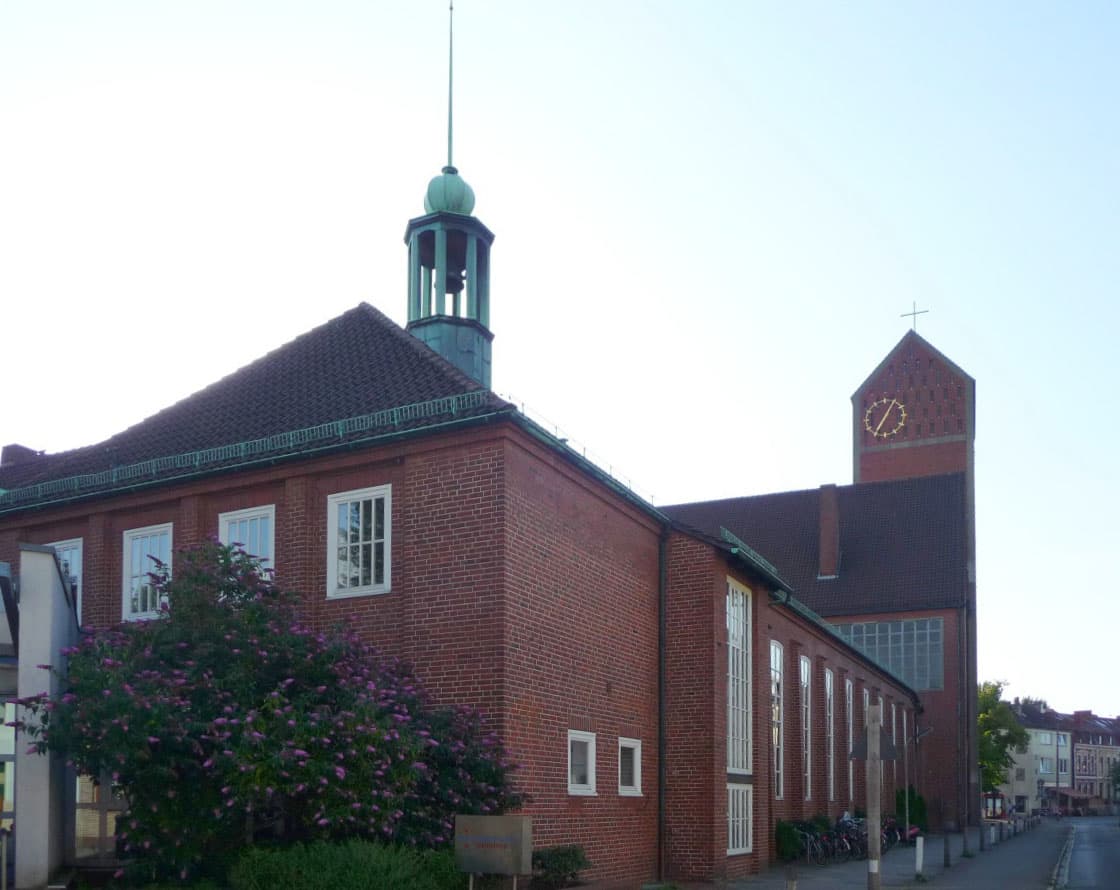
Explore the thoughtful architecture and welcoming community spaces of this Bremen church serving the Findorff district.
Located in Bremen’s Findorff district, the Martin-Luther-Kirche und Gemeindezentrum stands out for its mid-century design that blends worship spaces with everyday community functions. The building reflects the post-war emphasis on openness and practicality, offering visitors a calm interior alongside rooms used for local gatherings, concerts, and social programs.
The church features clean lines, generous natural light, and a layout that connects the sanctuary directly to adjacent community halls. Simple wooden furnishings and large windows create an inviting atmosphere rather than a grand cathedral effect. Outside, the modest grounds include seating areas that encourage quiet reflection amid the surrounding residential streets.
Beyond services, the center hosts regular neighborhood events that give visitors insight into contemporary Bremen life. Seasonal markets, discussion groups, and music evenings demonstrate how the building functions as a living hub rather than a static monument.
Findorff lies northwest of Bremen’s main station and is well served by trams and buses. Cyclists appreciate the flat terrain and dedicated paths that link the church to nearby parks and the city center. Walking from the station takes roughly twenty minutes through quiet residential avenues.
Spring and early autumn offer pleasant weather for exploring both the interior and the surrounding neighborhood gardens. Weekday mornings tend to be quieter, while occasional evening events provide a chance to experience the space in use by locals.
Keep reading
Step into the history of radio and television at this specialized museum in Bremen’s Findorff district.
The church welcomes respectful visitors during daylight hours when no private events are scheduled; the community areas often remain accessible for quiet viewing.
It represents functional post-war modernism with an emphasis on natural light, simple materials, and flexible spaces that serve both worship and community needs.
Occasional volunteer-led introductions take place during community open days; otherwise, self-guided exploration of the public areas is straightforward.
Many events are open to the public; check notice boards or the parish website for current programs featuring local musicians and speakers.
The main entrances and interior spaces were designed with level access and wide doorways, making the church and community rooms largely accessible.