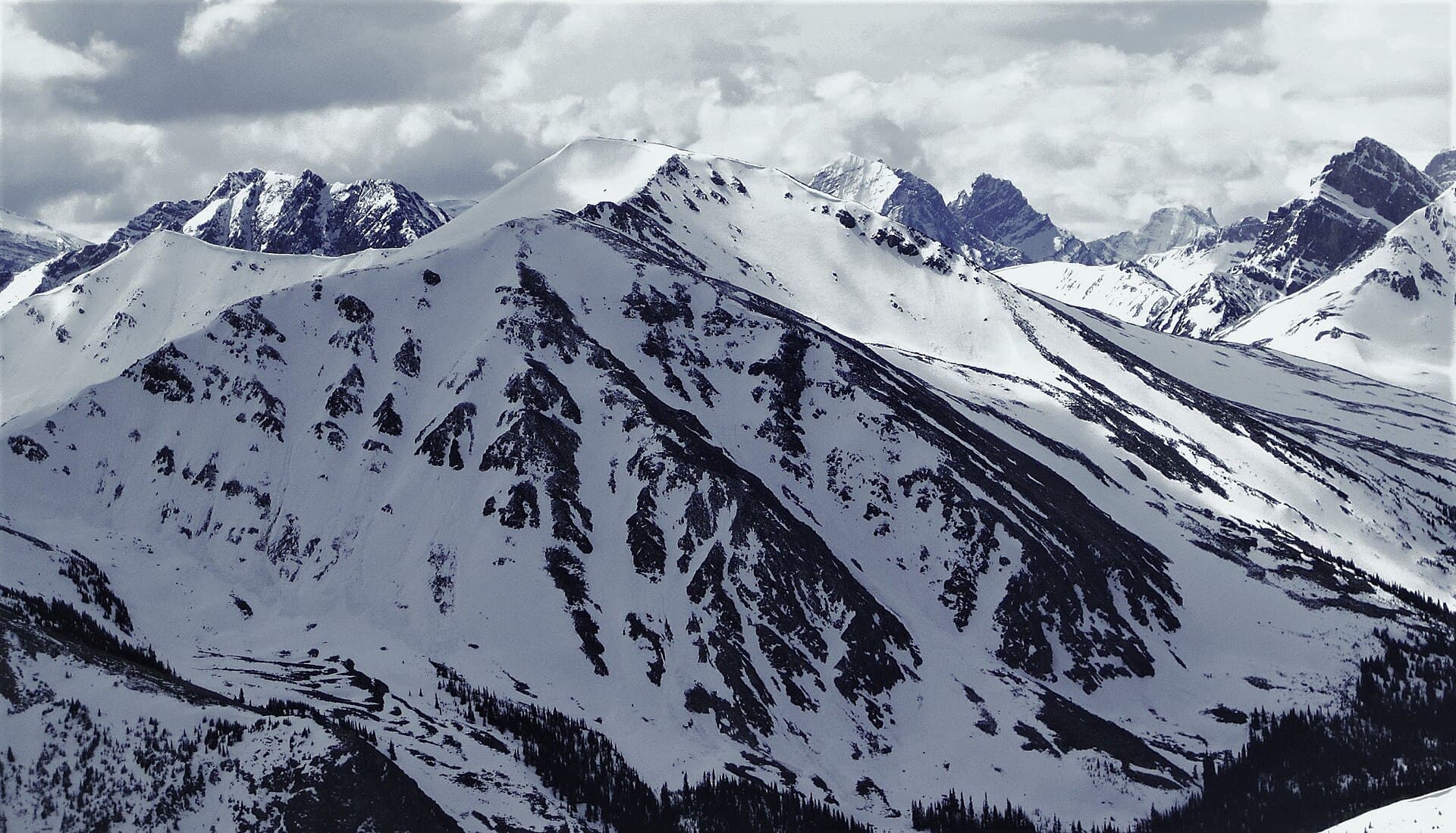
Why Marmot Peak Stands Out
Marmot Peak rises above the Athabasca Valley in Jasper National Park, offering hikers a relatively accessible summit with broad views of the Columbia Icefield region and surrounding peaks. Its position provides a quieter alternative to busier trails while still delivering classic Canadian Rockies scenery of turquoise lakes, dense conifer forests, and rugged limestone ridges.
Trail Overview and What to Expect
The standard route follows an old fire road that transitions into a well-defined path through subalpine meadows. Hikers gain elevation steadily, passing through stands of Engelmann spruce before reaching open slopes where marmots and pikas are commonly seen. Near the top, the trail narrows along a rocky ridge that requires careful footing but no technical climbing for most visitors.
Scenic Highlights Along the Way
- Panoramic overlooks of Pyramid Mountain and the Athabasca River valley.
- Wildflower displays in late summer across south-facing slopes.
- Possible sightings of mountain goats on adjacent cliffs.
Best Time to Visit
July through September offers the most reliable snow-free conditions for hiking. Early season visits may encounter lingering snow patches, while shoulder months bring vibrant fall colors in the valley below. Always verify current trail reports, as sudden weather changes are common at elevation.
Getting to the Trailhead
Access begins from the Jasper townsite, roughly a 20-minute drive north along Highway 16 before turning onto a park access road. Parking is available at the designated trailhead lot, which fills quickly on summer weekends. No shuttle service operates directly to this peak, so private vehicle or taxi from Jasper is the most practical option.
Nearby Attractions Worth Combining
Many visitors pair Marmot Peak with a stop at Maligne Lake or a short drive to Pyramid Lake for additional viewpoints. The Icefields Parkway lies within easy reach for those extending their trip southward toward Columbia Icefield discoveries.