
Keep reading
Nearby & related
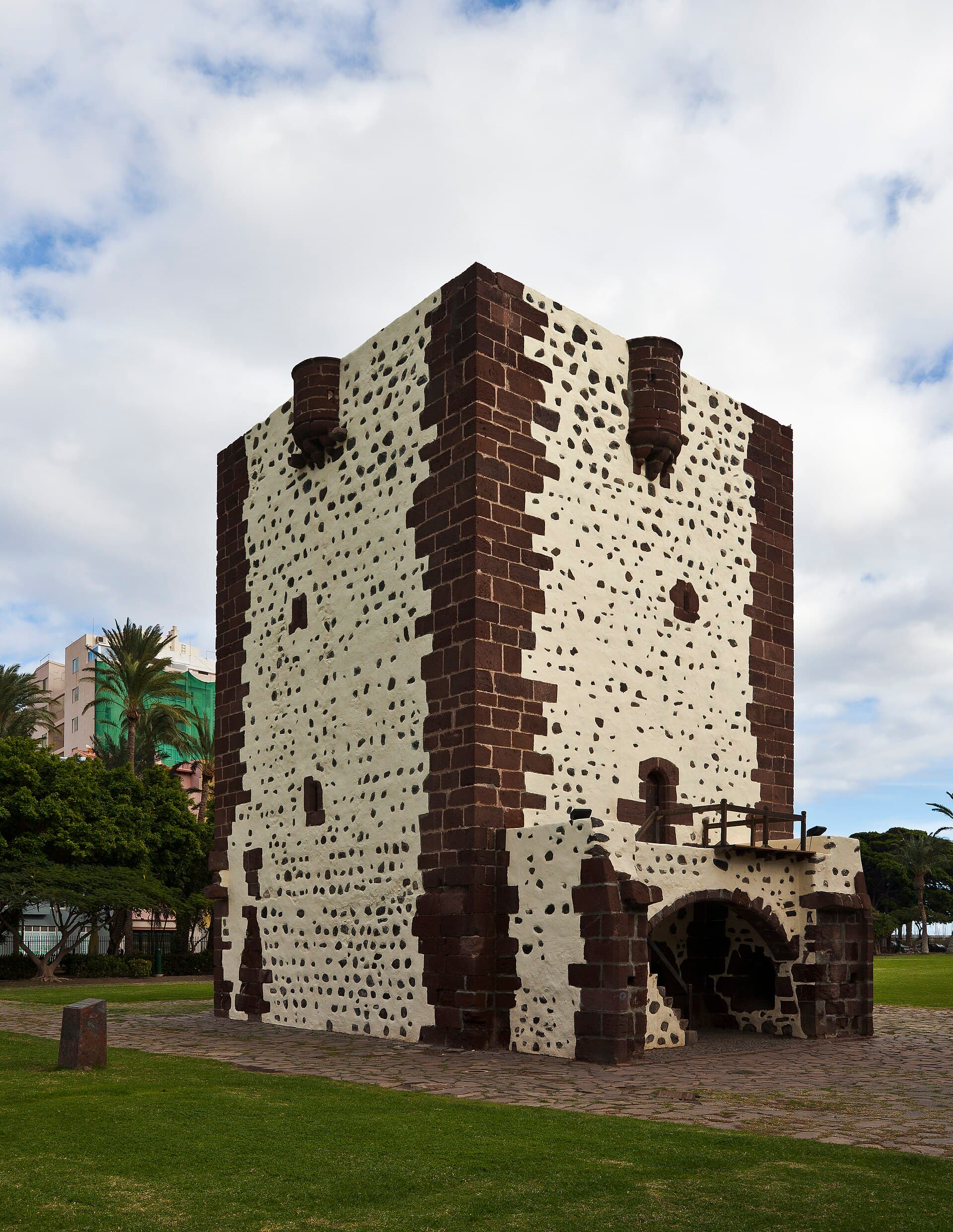
Torre del Conde: La Gomera’s 15th-Century Stone Tower in San Sebastián
A compact medieval fortress that anchors the harbor town where Columbus paused before crossing the Atlantic.
12 November 2026
Discover the rugged ravines, endemic laurel forests, and coastal viewpoints of this protected reserve just outside San Sebastián de La Gomera.
Majona Natural Park protects a wild slice of La Gomera’s northeast coast where steep barrancos plunge toward the Atlantic. Unlike the island’s more famous laurel forests, this reserve mixes Canary pine woodland with coastal scrub and dramatic cliff faces shaped by erosion. The result is a landscape of sharp contrasts: misty highland ridges giving way to sun-baked slopes that end abruptly at the sea.
Well-marked paths start near the hamlet of El Palmar and descend through terraced fields toward the coast. The main route follows the Barranco de Majona, passing stands of Canary laurel and dragon trees before reaching viewpoints over the Roque de la Iglesia sea stack. Birdwatchers often spot Barbary falcons and Cory’s shearwaters along the cliffs. Photographers favor the late-afternoon light that turns the reddish rock walls golden. Swimming is not recommended because of strong currents and rocky shores, but the coastal path offers excellent opportunities for quiet picnics with ocean views.
The park lies roughly eight kilometers northwest of San Sebastián de La Gomera. Most visitors drive the winding GM-1 road and park at the small trailhead near El Palmar. A local bus runs partway but leaves a steep walk; renting a car provides the flexibility needed to explore side tracks. From the ferry terminal, allow twenty minutes by road under normal conditions.
La Gomera’s mild climate makes Majona accessible year-round, yet spring (March–May) brings wildflowers and comfortable temperatures for longer hikes. Autumn offers clear skies and fewer visitors. Summer days can turn hot on the exposed slopes, while winter occasionally brings heavy showers that make clay paths slippery. Early morning starts help avoid both heat and the occasional low cloud that shrouds the higher ridges.
Combine a morning in Majona with an afternoon at Playa de la Cueva or a visit to the historic center of San Sebastián. The island’s flagship Garajonay National Park lies only a short drive inland, allowing hikers to contrast Majona’s dry coastal slopes with the misty laurel forest of the highlands. The small fishing harbor of Playa Santiago to the south provides a convenient lunch stop with fresh seafood.
No special permit is required for standard day hikes on marked trails.
There are no restrooms, cafu00e9s, or visitor centers within the park boundaries; plan accordingly in San Sebastiu00e1n.
The main trail involves steep descents and uneven surfaces; it is best suited to walkers with moderate fitness.
Overnight camping is not permitted; the nearest authorized camping areas are located in Garajonay National Park.
Layered clothing, a sun hat, and windproof jacket are recommended because conditions change quickly between sheltered ravines and exposed cliffs.
Keep reading
A compact medieval fortress that anchors the harbor town where Columbus paused before crossing the Atlantic.