
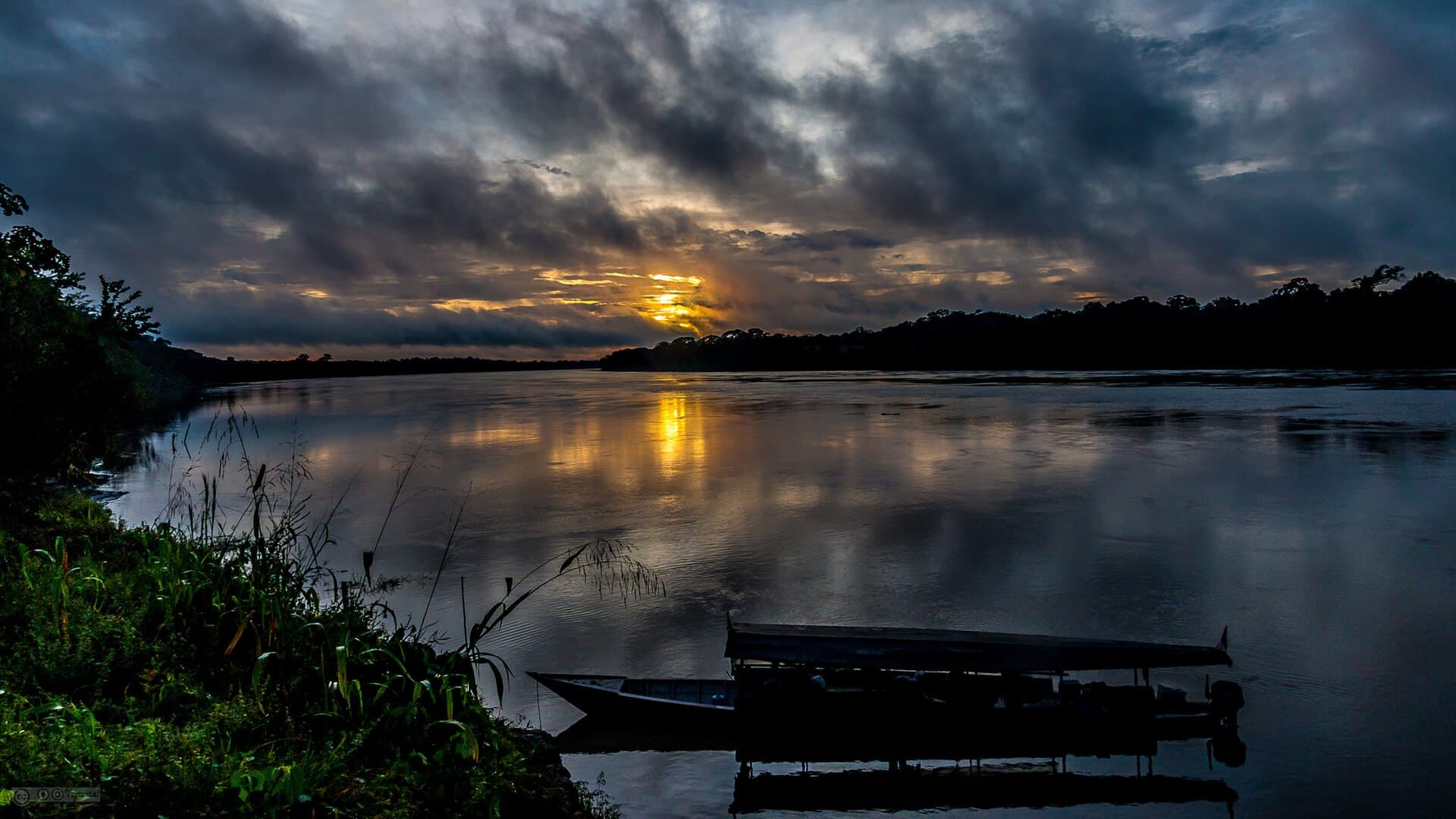
Madre de Dios River: Bolivia’s Amazonian Gateway to Wildlife and Indigenous Culture
Paddle, fish, and explore the biodiverse waters of the Madre de Dios River in Bolivia's northern Amazon lowlands.
Why the Madre de Dios River Draws Visitors
The Madre de Dios River carves through the remote rainforests of Vaca Díez Province, forming part of Bolivia’s northern Amazon basin. Its wide, meandering channels support dense jungle on both banks, creating habitat for pink river dolphins, giant river otters, and hundreds of bird species. Travelers come here for authentic river travel rather than developed resorts, experiencing the slow rhythm of the waterway that connects isolated communities and protected forest tracts.
Activities Along the River
Guided boat excursions reveal the river’s scale and wildlife. Early-morning departures often yield sightings of macaws, toucans, and herons feeding along sandbars. Fishing trips target peacock bass and catfish using traditional methods shared by local guides. Some operators arrange overnight stays in simple riverside camps where visitors learn about sustainable harvesting of Brazil nuts and medicinal plants from indigenous families. Kayaking sections near calmer tributaries offers closer contact with the forest edge without disturbing wildlife.
Reaching the Madre de Dios
Most travelers fly into Riberalta, the provincial hub, then transfer by road to river ports such as those near the confluence with the Beni River. From there, motorized canoes or larger river launches carry passengers upstream or downstream. The journey itself becomes part of the experience as the landscape shifts from open savanna patches to unbroken canopy. Independent travelers can arrange boat transport through local operators who know seasonal water levels and safe landing spots.
Best Time to Travel
The dry season from May through October brings lower water levels that expose beaches for camping and make navigation easier in narrower channels. Wildlife concentrates near remaining water sources, improving sighting opportunities. The wet season from November to April turns the river into a powerful force, flooding forests and allowing access to remote oxbow lakes, though travel can be disrupted by high water and rain.
Places Nearby
Riberalta offers a base with markets selling local crafts and river fish. Short trips upstream reach the border area with Brazil, while downstream the river joins larger systems leading toward the Beni and Madeira rivers. Protected areas such as nearby forest reserves protect stands of mahogany and cedar that once drew loggers, now conserved for ecotourism and research.
Practical Considerations for River Travel
- Pack lightweight, long-sleeved clothing and sturdy water shoes for boarding and disembarking on muddy banks.
- Carry sufficient cash in small denominations, as few vendors along the river accept cards.
- Choose operators who work with local indigenous communities to ensure your visit supports conservation and fair wages.
Visitor tips
- Hire a local guide familiar with seasonal currents and wildlife behavior for safer and more rewarding outings.
- Bring strong insect repellent and a head net, especially during dawn and dusk when mosquitoes are active.
- Confirm boat schedules with Riberalta operators in advance, as departures depend on water levels and group size.
Frequently asked questions
Can I swim in the Madre de Dios River?
Swimming is possible in calmer sections during the dry season, but strong currents, submerged logs, and occasional caimans require caution and local guidance.
What wildlife is most commonly seen along the river?
Pink river dolphins frequently surface near the boat, while macaws, toucans, and monkeys are visible in the canopy; giant river otters appear in quieter tributaries.
How long should I plan to spend on the Madre de Dios?
A minimum of three days allows time for travel to the river, a full-day excursion, and an overnight stay to experience both daytime and evening wildlife activity.
Are there indigenous communities open to visitors?
Several communities along the banks welcome respectful visitors for cultural exchanges and demonstrations of traditional fishing and nut harvesting when arranged through established operators.
What should I pack for a multi-day river trip?
Lightweight rain gear, a hammock or tent, water purification tablets, and binoculars are essential; leave heavy luggage in Riberalta storage.