Why Visit the Leher Feld Transmitter
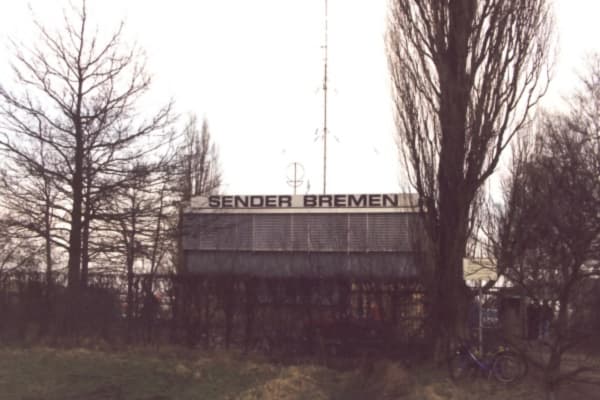
The Leher Feld transmitter stands as a striking example of mid-20th-century broadcasting infrastructure in northern Germany. Rising prominently above the flat landscape of Horn-Lehe, the tall mast serves as both a functional relic and a visual landmark for locals and travelers exploring Bremen beyond the city center. Its lattice structure and guy wires create a dramatic profile against the sky, especially at sunrise or sunset, making it a rewarding stop for photographers and those interested in industrial heritage.
What to See and Do
Visitors primarily come to appreciate the scale of the installation from public vantage points along nearby roads and paths. The surrounding meadows and low-rise residential areas offer unobstructed views of the full height of the tower. While the facility itself remains closed to the public for safety and operational reasons, the open setting allows for quiet walks and observation of the technical design details visible from a respectful distance. Combine a visit with a stroll through the nearby green spaces of Horn-Lehe to experience the contrast between the rural-feeling district and the imposing steel structure.
History and Context
Constructed to support medium-wave radio transmissions, the Leher Feld site played a role in regional broadcasting for decades. The mast’s engineering reflects the practical demands of reliable signal coverage across the lowlands around Bremen. Today it stands as a preserved element of Germany’s post-war communication network, illustrating how technology shaped everyday life in the region.
How to Get There
The transmitter lies in the Horn-Lehe district, easily reached from central Bremen by tram line 4 or bus connections heading northeast. Cyclists can follow dedicated paths along the Wümme river corridor, while drivers will find limited street parking in the adjacent residential streets. From Bremen Hauptbahnhof the journey typically takes under 20 minutes by public transport, followed by a short walk to the best viewing areas.
Best Time to Visit
Spring through early autumn provides the most comfortable conditions for outdoor exploration, with longer daylight and milder weather. Winter visits can be rewarding on clear days when the tower stands sharply against the sky, though paths may be muddy. Early morning or late afternoon light enhances photography opportunities year-round.
Nearby Attractions
After viewing the transmitter, continue to the Rhododendron Park or the Botanika science center, both within a short distance. The district also offers access to the Bürgerpark and the historic core of Bremen for a full day of varied sightseeing.