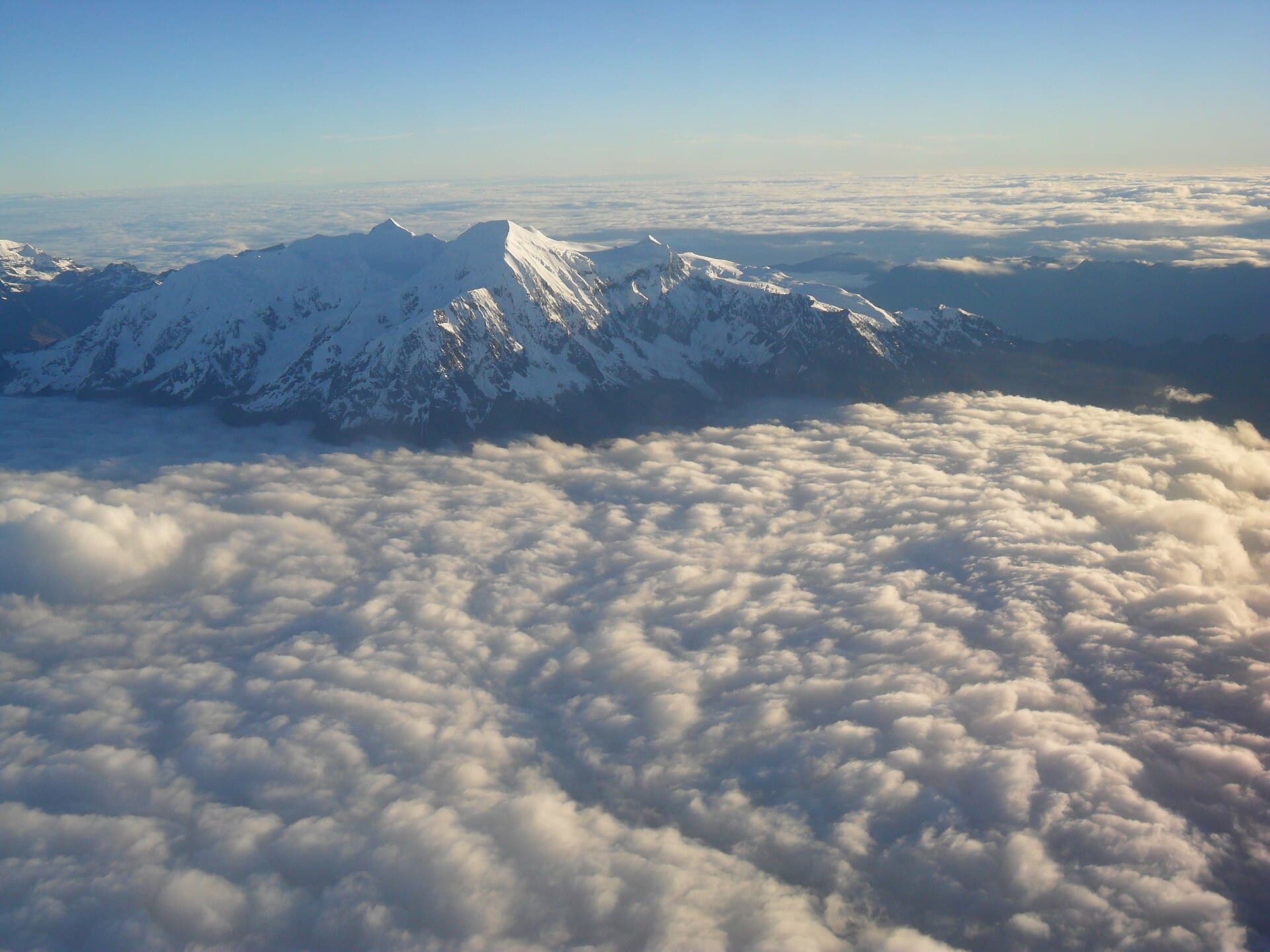
Why Layqa Qullu Stands Out
Layqa Qullu rises as a distinctive peak in Bolivia’s Cordillera Real, drawing hikers and mountaineers who seek solitude away from the more crowded routes around Huayna Potosí and Illimani. Its position in the La Paz Department provides dramatic sightlines across glaciated ridges and deep valleys that drop toward the Yungas lowlands.
Reaching the Trailhead
Most travelers begin in La Paz and arrange transport along the main highway toward the northern Yungas before branching onto unpaved roads that lead to highland communities near the mountain. Four-wheel-drive vehicles or shared taxis from the city market areas reach the starting points; the final approach often involves walking across open altiplano pastures.
Hiking and Climbing Routes
Established trails ascend gradually through rocky slopes and occasional snow patches. The standard route follows a broad ridge that rewards steady pacing with continuous panoramas of neighboring summits. Day hikers can turn around at scenic viewpoints below the final steep section, while experienced parties equipped for altitude continue to the summit. The terrain mixes loose scree with firmer rock, rewarding careful footwork and early starts to avoid afternoon clouds.
Essential Preparations
- Allow several days of acclimatization in La Paz before attempting the ascent.
- Carry layers for rapid weather changes and sufficient water for the dry, windy environment.
- Respect local grazing lands by staying on established paths and closing gates behind you.
Best Time to Visit
The clearest weather and most stable conditions occur during the dry season from May through October. Early morning departures are essential year-round because afternoon storms can form quickly at elevation. Winter months (June–August) bring colder nights but exceptionally clear skies.
Nearby Attractions
After descending, many visitors continue to the colonial streets of La Paz for markets and museums, or travel onward to the Zongo Valley for warmer, greener hikes. The mountain also serves as a natural viewpoint for the broader Cordillera Real range, making it a worthwhile stop on longer Andean traverses.