
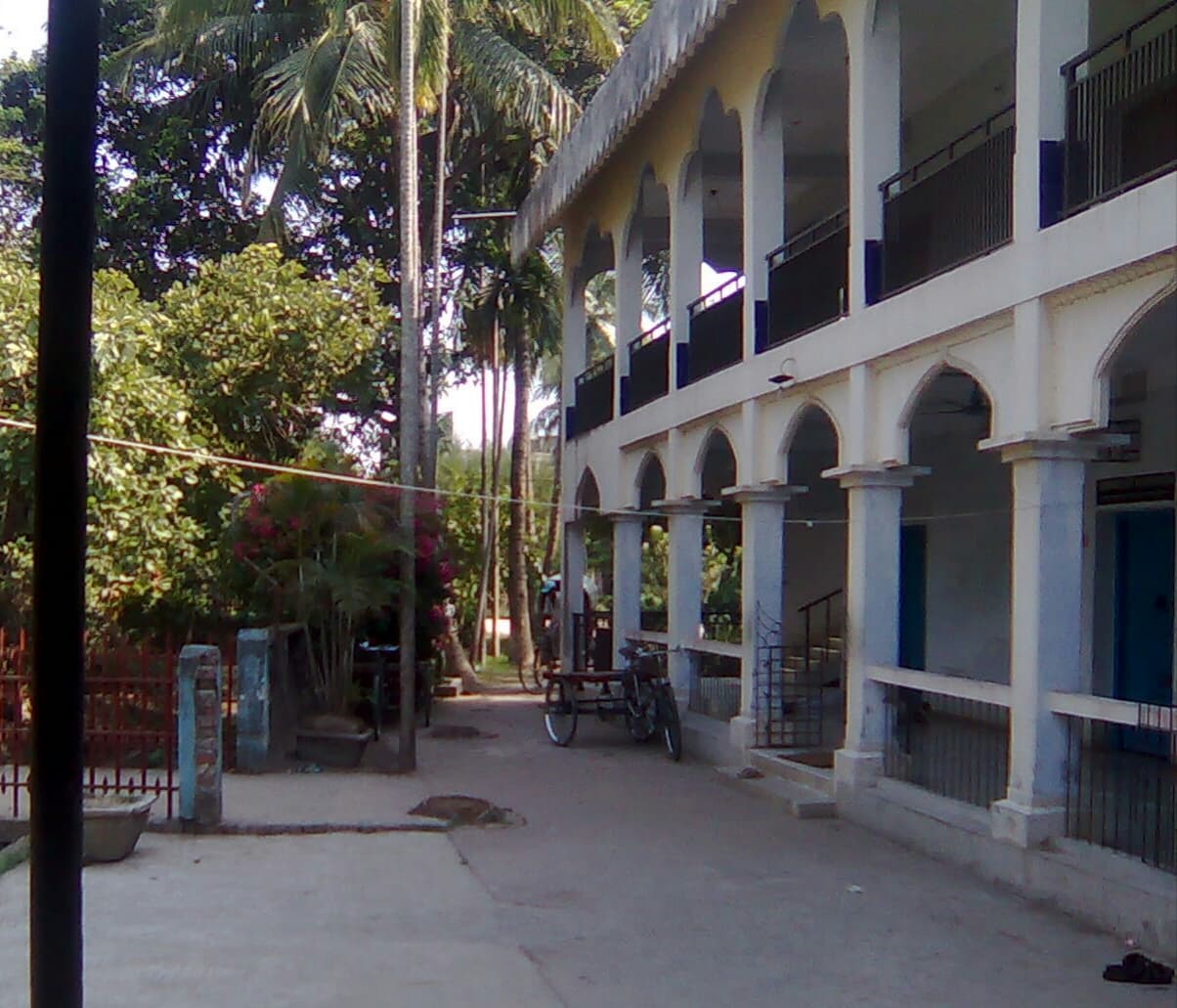
Lalon Museum: Exploring the Enduring Legacy of Bangladesh’s Mystic Baul Poet in Kumarkhali
Step into the world of Lalon Fakir through artifacts, songs, and philosophy at this intimate museum in rural Kushtia.
Discovering Lalon’s World
The Lalon Museum in Kumarkhali Upazila preserves the life and teachings of Lalon Shah, the 19th-century mystic poet whose songs continue to shape Bengali folk traditions. Set amid the quiet fields of Kushtia District, the museum offers visitors a direct connection to the Baul saint’s emphasis on humanity over religious division. Its collection highlights handwritten manuscripts, simple personal items, and visual interpretations of his verses that reject caste and creed.
Exhibits and Atmosphere
Inside, modest galleries display portraits of Lalon alongside reproductions of his songs written in his own hand. Audio stations allow visitors to hear traditional Baul performances of his most famous works, such as those exploring the search for the “man of the heart.” The surrounding garden provides space for quiet reflection, often echoing with the faint strains of ektara music from nearby practitioners. The modest scale of the museum encourages slow, thoughtful exploration rather than hurried sightseeing.
Practical Details for Visitors
Most travelers combine a museum visit with the nearby Lalon shrine at Cheuriya, just a short ride away. Local guides familiar with Baul lore can explain the symbolic language in Lalon’s poetry, adding depth to the experience. The site remains open year-round, though the rural setting means basic facilities only.
Reaching Kumarkhali
From Dhaka, trains run regularly to Kushtia, followed by a local bus or rickshaw to Kumarkhali. Those driving from the capital take the N7 highway through Pabna before turning toward Kushtia. The journey passes through fertile agricultural land that reflects the rural life Lalon celebrated in his songs.
Best Time to Visit
November through February brings cooler, drier weather ideal for walking between the museum and shrine. Monsoon months can make rural roads muddy and limit outdoor time, while summer heat reduces comfort for extended visits. Cultural festivals honoring Lalon occasionally occur in the cooler season, drawing Baul musicians from across the region.
Nearby Sites Worth Exploring
Beyond the museum, the Lalon Akhra and tomb complex remain the area’s spiritual heart. Kushtia town offers additional insight into the region’s literary heritage through the home of poet Kazi Nazrul Islam. The Padma River banks provide scenic stops for those traveling by road, echoing the landscapes that inspired generations of Baul singers.
Visitor tips
- Pair your museum visit with the Lalon shrine at Cheuriya to understand both his written words and living spiritual tradition.
- Carry drinking water and wear comfortable shoes, as the site and surrounding paths involve walking on unpaved rural ground.
- Listen respectfully to any live Baul music; these performances form a living extension of the museumu2019s collection rather than staged entertainment.
Frequently asked questions
Who exactly was Lalon Fakir?
Lalon Shah was a 19th-century mystic poet and philosopher from Bengal whose songs promote universal humanism, equality, and inner spiritual search beyond organized religion.
How much time should I allocate for the museum?
Most visitors spend one to two hours inside the galleries, with additional time for the garden and optional shrine visit nearby.
Is the Lalon Museum suitable for families with children?
Yes, the calm setting and straightforward exhibits appeal to curious travelers of all ages, though younger children may need guidance during audio listening sections.
Are English translations available for the exhibits?
Some interpretive panels include English summaries, while audio recordings of songs remain in Bengali; local guides can provide fuller context in English.
Can I take photographs inside the museum?
Photography is generally permitted in public areas but restricted near original manuscripts; always check posted signs or ask staff upon arrival.