
Lake Tissongo: Cameroon’s Serene Coastal Lake Escape
A tranquil freshwater lake nestled in the Littoral region, offering rich biodiversity and a peaceful retreat near Douala.
Why Visit Lake Tissongo
Lake Tissongo stands out as a hidden gem along Cameroon’s Atlantic coast, where freshwater meets mangrove-lined shores. Its calm waters and surrounding forest create a habitat for diverse bird species, monkeys, and reptiles, making it ideal for nature lovers seeking quiet observation rather than crowded tourist spots.
Wildlife and Scenery
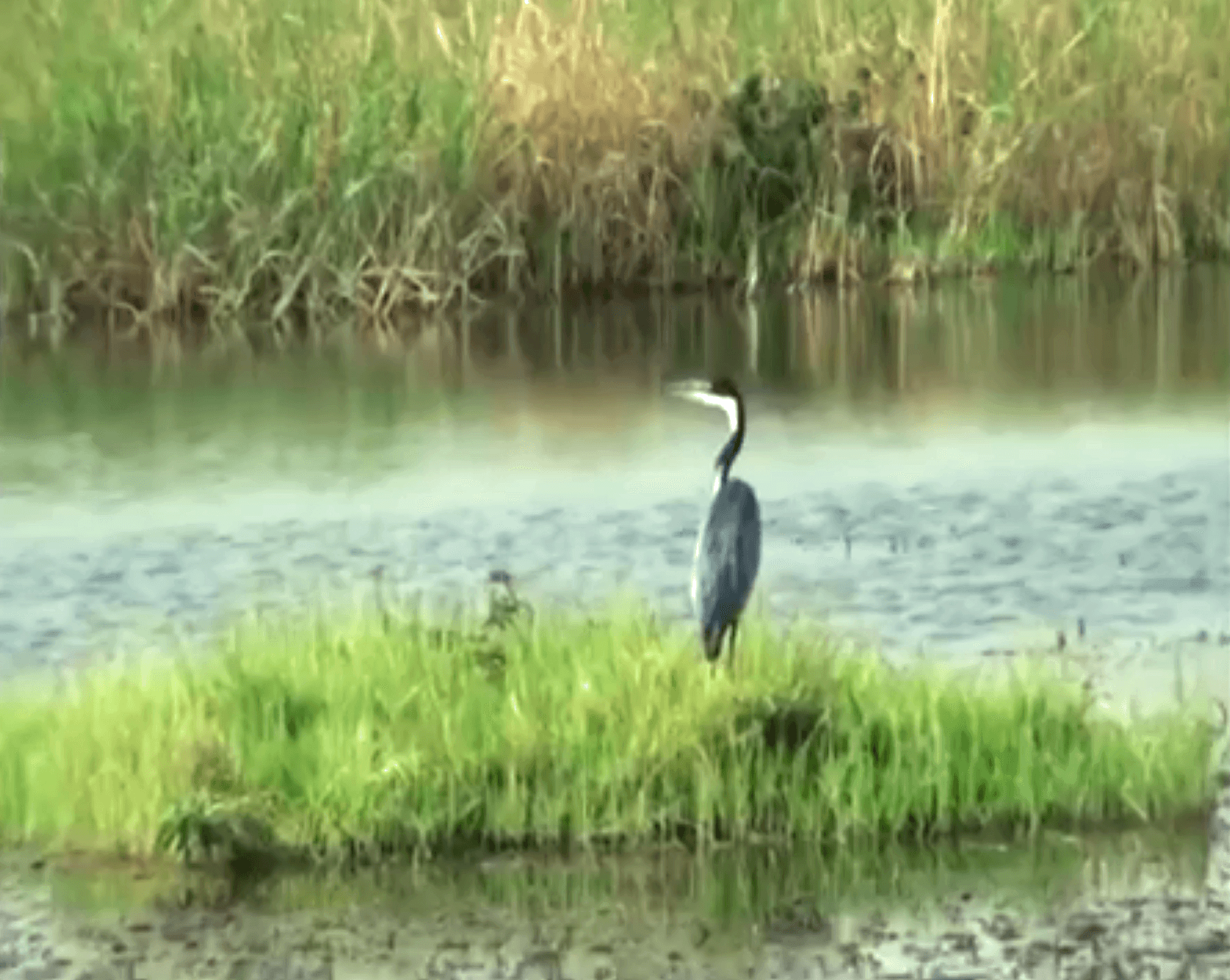
The lake’s ecosystem supports flocks of waterbirds, including herons and kingfishers, while the adjacent mangroves provide shelter for crabs and fish that sustain local communities. Visitors often spot monitor lizards along the banks and hear the calls of forest primates at dawn. The surrounding vegetation shifts from dense mangroves to palm groves, offering striking reflections on the water’s surface during golden hour.
Activities on and Around the Lake
- Boat excursions with local fishermen to explore hidden coves and observe aquatic life.
- Guided forest walks to learn about traditional plant uses and spot smaller wildlife.
- Photography sessions focused on the interplay of light, water, and greenery.
- Picnics on shaded clearings, where the absence of development preserves the natural soundscape.
Getting to Lake Tissongo
Travelers typically start from Douala, driving southeast along the coastal road toward Edea before turning onto smaller tracks that lead to the lake’s edge. The final stretch often requires a short canoe ride or a 4×4 vehicle during the rainy season. Public transport reaches nearby villages, after which local motorbike taxis or arranged boats complete the journey. The coordinates place it roughly 40 kilometers from central Douala, keeping the trip manageable as a day excursion or overnight stay.
Best Time to Visit
The dry season from December to March brings clearer paths and lower water levels, improving access for walking and boating. April to November offers lush greenery and higher bird activity but demands preparation for rain and mud. Early mornings and late afternoons consistently provide the best light and animal sightings regardless of month.
Nearby Places Worth Exploring
Combine a visit with the Douala-Edea Wildlife Reserve for broader mangrove exploration or head to the beaches at Petit Batanga for coastal contrast. The nearby town of Edea offers markets where visitors can purchase local crafts and fresh produce before returning to the city.
Visitor tips
- Arrange transport and a local guide in advance through village contacts to navigate unmarked tracks safely.
- Pack lightweight long clothing, sturdy footwear, and plenty of water to handle humidity and uneven terrain.
- Practice low-impact travel by carrying out all waste and avoiding disturbance of nesting birds or fishing nets.
Frequently asked questions
Is Lake Tissongo suitable for swimming?
The water is generally calm but can harbor hidden logs and occasional wildlife; most visitors prefer boat-based activities over swimming.
Do I need a permit to visit Lake Tissongo?
No formal permit is required for casual visits, though checking with local authorities or reserve staff beforehand ensures compliance with any seasonal restrictions.
What kind of accommodation exists near the lake?
Basic guesthouses and community homestays are available in nearby villages; most travelers return to Douala or stay in Edea for more options.
Are there restaurants or food vendors at the lake?
No permanent facilities exist on site; visitors bring their own provisions or arrange meals with host families in surrounding communities.
How long should I plan to spend at Lake Tissongo?
A half-day boat trip combined with a short walk covers the highlights, though birdwatchers often stay from sunrise to mid-morning.