Why Laguna de Fúquene Stands Out
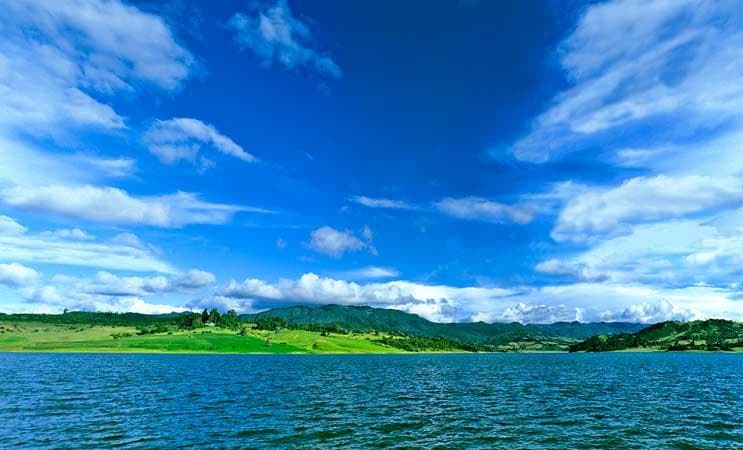
At roughly 2,500 meters above sea level, Laguna de Fúquene forms one of the largest remaining natural lakes on the Bogotá savanna. Its reed-fringed shores and shallow waters support a rich ecosystem that includes migratory waterfowl and resident species rarely seen in more tourist-heavy Colombian destinations. The lake’s calm surface mirrors the surrounding green hills, creating a peaceful setting far removed from urban bustle.
What to See and Do
Early morning or late afternoon boat excursions reveal the greatest variety of birds, from Andean ducks to herons and ibises. Walk the shoreline paths that thread through cattail marshes; local fishermen often demonstrate traditional reed harvesting. Photographers find dramatic light at sunrise when mist lifts off the water. For a deeper experience, join a guided walk with community members who explain the lake’s role in regional agriculture and its ongoing conservation challenges.
Getting There
Most travelers start from Bogotá, driving or taking a bus via the northern highway toward Chiquinquirá or Ubaté. The final stretch follows well-maintained secondary roads that wind through potato fields and small villages. Once near the lake, informal boat launches operate from several hamlets; arrange transport through a local cooperative for safety and to support the community.
Best Time to Visit
The drier months from December to March and July to August offer clearer skies and easier walking along the shoreline. Rainy-season visits from April to June and September to November bring lush vegetation and higher water levels that benefit bird breeding, though paths can become muddy. Weekdays are noticeably quieter than weekends, when local families picnic along the shore.
Nearby Attractions
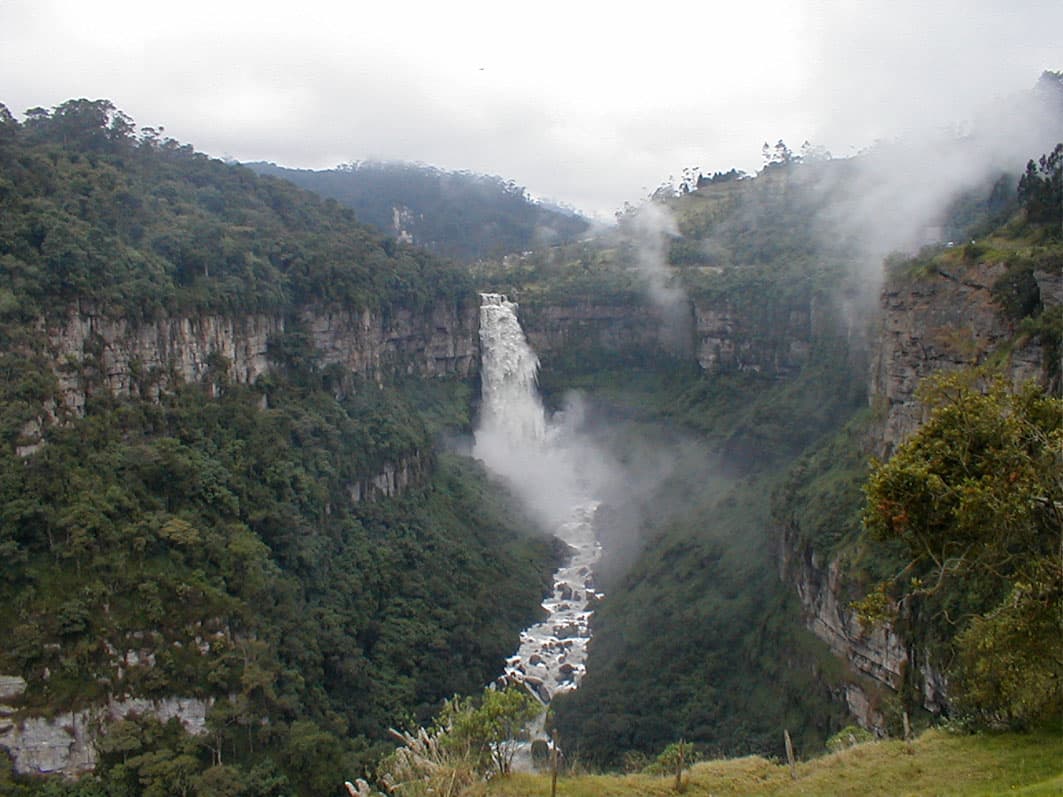
Combine a lake visit with the colonial churches and artisan markets of Chiquinquirá, a short drive north. Southward lies the historic town of Ubaté with its cheese-making tradition. Further afield, the dramatic cliffs and waterfalls of the Chicamocha region reward those who extend their trip into Boyacá.
Practical Considerations
- Bring layers; highland temperatures drop quickly after sunset.
- Respect restricted zones that protect breeding areas for waterbirds.
- Support local boat operators rather than arriving with private motorized craft.