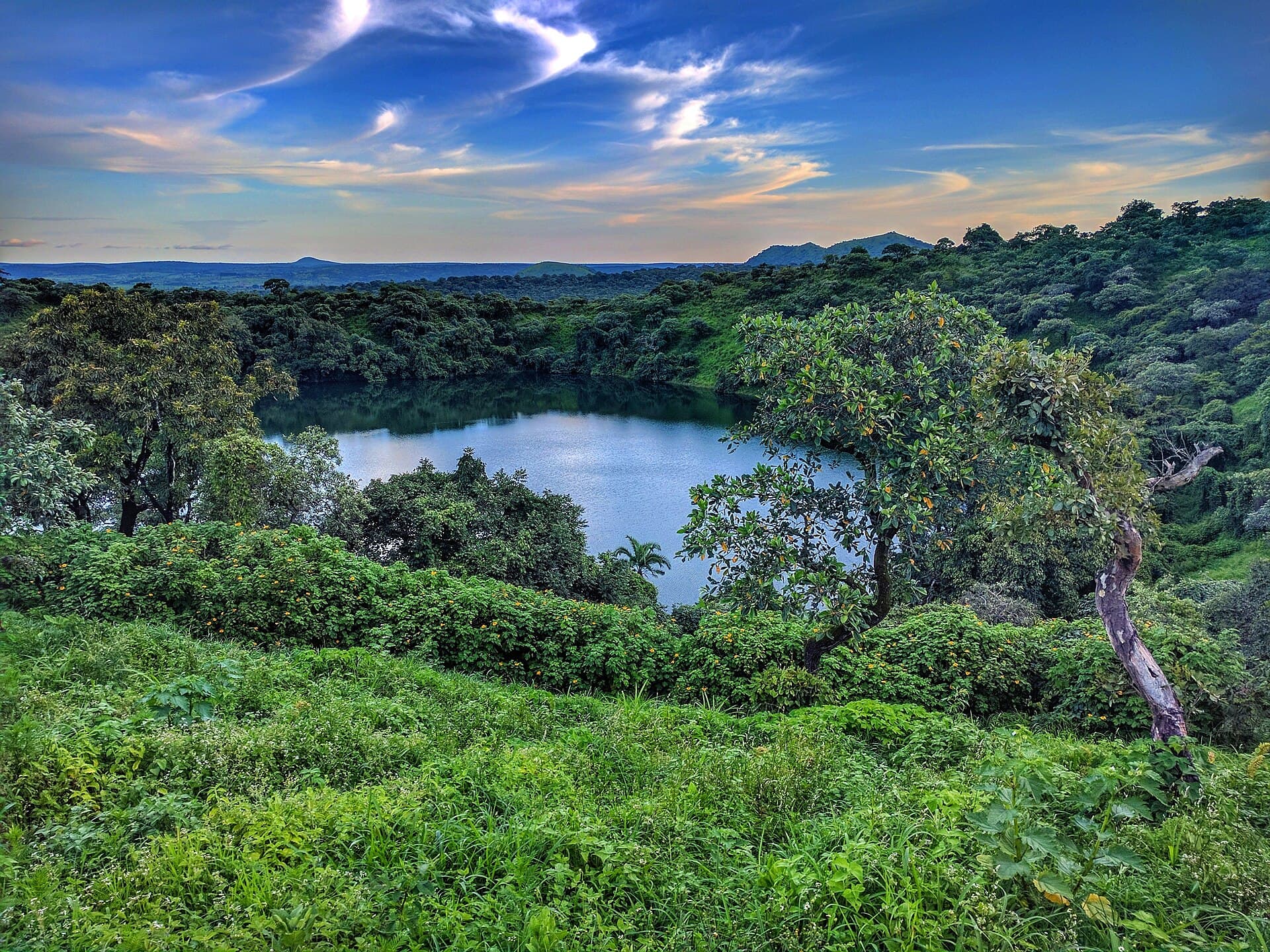
Why Lac Tison Stands Out
Lac Tison sits on the Adamawa Plateau, a vast highland area characterized by rolling grasslands, scattered volcanic features, and seasonal rivers. Its calm surface reflects the surrounding hills, creating a peaceful setting far from coastal tourist routes. The lake formed in a volcanic depression, giving the water a distinctive clarity that changes with the light and seasons.
Getting There
Travelers typically reach the lake via Ngaoundéré, the main hub of Adamawa region. From there, a combination of paved roads and graded tracks leads to the lake shore, passing through Fulani villages and cattle-grazing lands. Four-wheel-drive vehicles handle the final stretches best during the rainy season. Those without private transport can arrange shared taxis or local motorcycle taxis from nearby towns, though advance planning helps because services thin out away from the main highway.
Best Time to Visit
The dry season from November to March brings clearer skies and easier road access, ideal for photography and walking around the perimeter. April to October sees greener vegetation and higher water levels, but afternoon rains can make tracks slippery. Early mornings offer the calmest reflections and cooler temperatures for hiking.
What to See and Do
Walk the shoreline path to observe birds such as herons and kingfishers that frequent the shallows. Local fishermen sometimes demonstrate traditional net-casting techniques from small wooden boats. Short hikes up the surrounding ridges provide panoramic views of the plateau and distant inselbergs. Visitors interested in geology can examine exposed volcanic rock along the eastern shore. Cultural encounters with nearby Fulani communities often include learning about seasonal transhumance and sampling local dairy products when offered.
Nearby Attractions
Combine a lake visit with the cooler climate of the Adamawa highlands by continuing to the scenic town of Meiganga or exploring the granite domes near Tibati. The region’s cattle markets offer an authentic slice of pastoral life, while the broader plateau supports game reserves where antelope and occasional larger mammals can be spotted at dawn or dusk.