
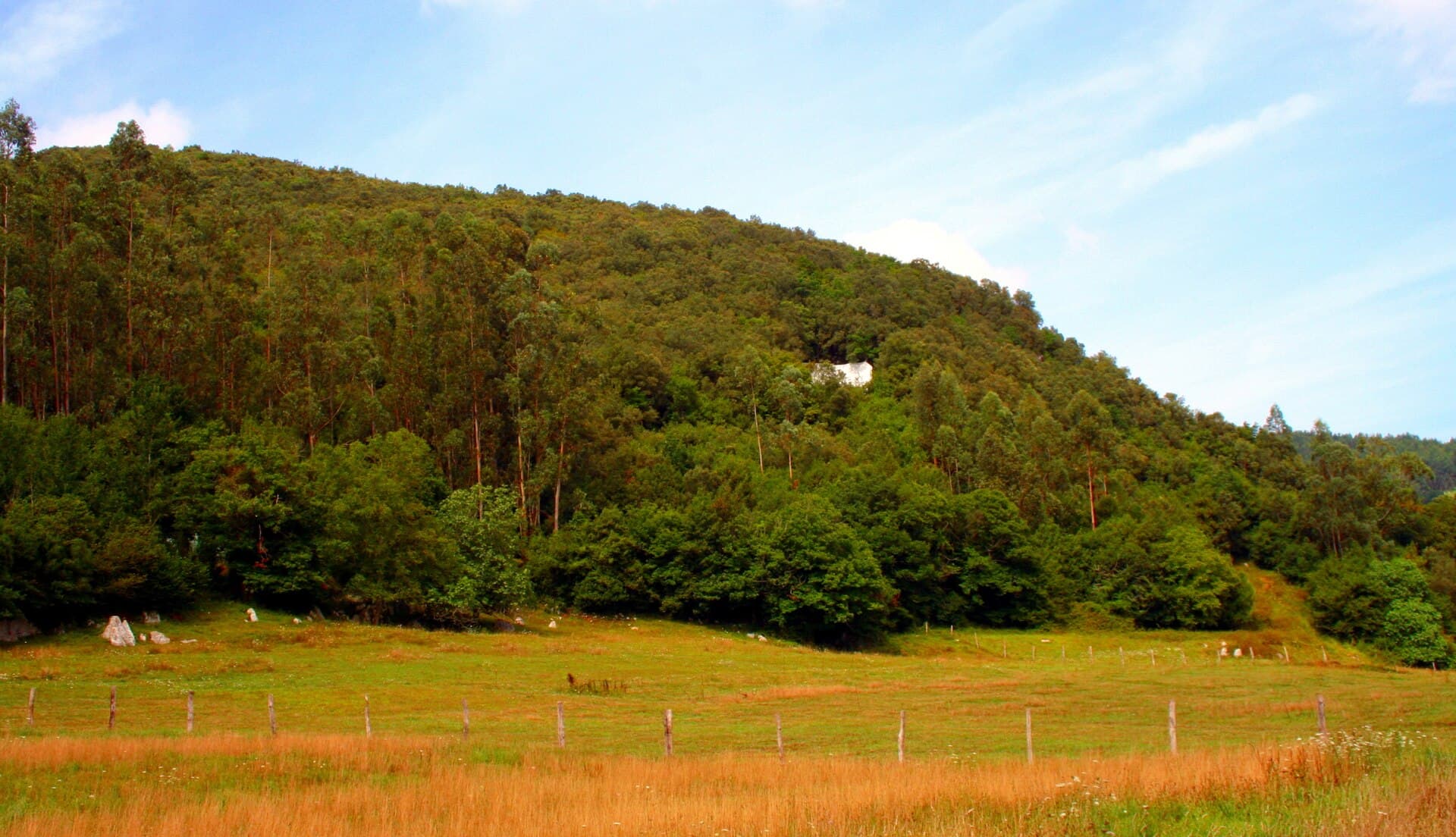
La Garma Cave Complex: Prehistoric Art Hidden in Cantabria’s Hills
Discover the exceptionally preserved Paleolithic heritage of La Garma in Spain’s Cantabrian mountains.
Why La Garma Matters
La Garma Cave Complex stands out among northern Spain’s Paleolithic sites for its remarkable state of preservation and the breadth of evidence it contains. Located in the karst landscape of Ribamontán al Monte, the complex comprises several interconnected caves that sheltered humans for more than 30,000 years. Visitors encounter not only parietal art but also intact living floors, hearths, and stone tools left exactly where they were abandoned, offering a rare window into daily life during the Upper Paleolithic.
What to See and Do
Guided visits focus on the lower galleries where engravings of horses, bison, and deer appear alongside hand stencils and abstract signs. Archaeologists have documented more than 4,000 graphic motifs across the system, many still retaining traces of the original pigments. Outside the caves, short trails lead across the limestone plateau, revealing sinkholes and natural entrances that once served as shelter entrances. The experience rewards those who value quiet, small-group interpretation over large tourist infrastructure.
Practical Visiting Notes
- Access is strictly limited to protect the fragile environment; advance reservation through official channels is essential.
- Expect a moderate walk over uneven terrain and narrow passages; comfortable clothing and sturdy footwear are required.
- Photography is generally prohibited inside the decorated zones to prevent light damage.
Getting There
The site lies roughly 25 kilometers west of Santander. Drivers follow the A-8 motorway toward Ribamontán al Monte, then take local roads that climb into the hills. Public transport reaches the nearest villages; from there a short taxi or arranged transfer completes the journey. The surrounding countryside offers scenic viewpoints over the coastal plain and the Bay of Biscay.
Best Time to Visit
Spring and early autumn provide the most comfortable conditions for walking the plateau and exploring the caves. Summer brings higher humidity inside the chambers and greater demand for limited slots, while winter can close paths after heavy rain. Planning around shoulder seasons also increases the chance of quieter, more contemplative visits.
Nearby Attractions
Within a short drive are other major cave-art sites including the World Heritage caves of Monte Castillo and the famous Altamira Cave and Museum. The Cantabrian coast offers beaches at Langre and Sardinero, while the historic center of Santander provides dining and lodging options. Inland, the medieval town of Santillana del Mar makes an easy half-day excursion combining architecture with regional gastronomy.
Visitor tips
- Reserve guided visits well ahead; spaces are deliberately restricted to protect the site.
- Wear layers and supportive shoesu2014the terrain is rocky and the caves maintain a constant cool temperature.
- Combine the visit with nearby coastal villages for a full day that balances underground heritage with fresh-air scenery.
Frequently asked questions
Is La Garma open to the public?
Access is possible only through official guided tours with very limited capacity; independent exploration is not permitted.
How old is the art inside La Garma?
The paintings and engravings date primarily from the Upper Paleolithic, spanning roughly 30,000 to 10,000 years ago.
What should I wear for a visit?
Comfortable, layered clothing and sturdy walking shoes are essential; the ground is uneven and temperatures inside remain cool year-round.
Can I photograph the cave paintings?
Photography is not allowed inside the decorated areas to protect the fragile pigments from light exposure.
Are there other caves worth visiting nearby?
Yes, the region contains several other important Paleolithic sites such as Altamira and the caves of Monte Castillo, all within an easy drive.