
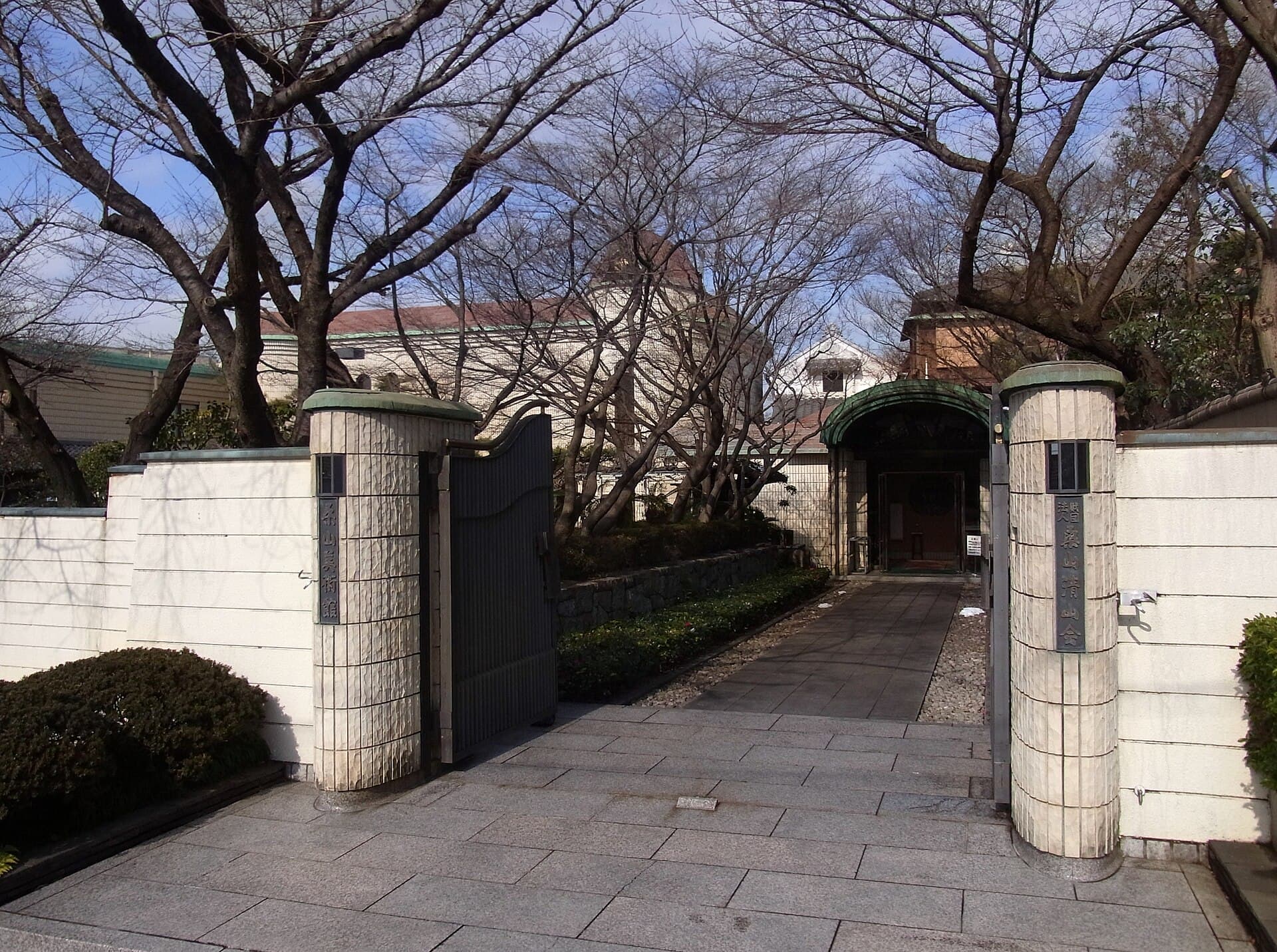
Kuwayama Art Museum: Minimalist Masterpieces in Aichi’s Countryside
This quiet museum in Yamanaka-chō offers a focused encounter with Tadaaki Kuwayama’s precise, light-filled abstract works.
Discovering Kuwayama Art Museum
Located in the rural setting of Yamanaka-chō in Aichi Prefecture, the Kuwayama Art Museum presents a concentrated selection of works by Tadaaki Kuwayama, a leading figure in postwar Japanese minimalism. The building itself is modest and low-key, allowing the paintings and wall-based constructions to hold attention without distraction. Visitors often describe the experience as meditative, with natural light entering the galleries in ways that shift subtly through the day and alter how the metallic surfaces and flat color fields appear.
The Collection and Display
Kuwayama’s signature approach relies on precise geometry, restrained palettes, and materials such as acrylic paint combined with metallic tapes. The permanent holdings emphasize large-scale canvases and modular pieces that explore relationships between color, edge, and reflection. Temporary rotations occasionally introduce earlier sketches or related prints, giving repeat visitors new connections to the artist’s long career. Because the museum is not large, the works are spaced to encourage slow, deliberate viewing rather than a checklist approach.
Getting There and Practical Planning
Most travelers reach the museum by car from central Nagoya or by local train to the nearest station followed by a short taxi ride. The surrounding landscape is agricultural, so the final approach passes rice fields and low hills that contrast with the crisp interior spaces. Parking is available on site for those driving. Because the museum sits in a quiet residential area, public transport connections are limited outside peak commuter hours, making advance planning advisable.
Best Time to Visit
Spring and autumn offer the most comfortable temperatures for walking between the museum and nearby viewpoints. Summer can be humid, while winter brings crisp air and fewer visitors, though some may find the shorter daylight hours limiting. Weekdays generally provide the calmest atmosphere, allowing uninterrupted time with individual pieces.
Nearby Attractions
After viewing the collection, many visitors continue to local shrines or the broader countryside around Seto and Toyota for pottery studios and scenic drives. The region’s mix of traditional workshops and modern industry provides context for Kuwayama’s own journey between Japanese and international art worlds.
Visitor tips
- Allow at least ninety minutes to move slowly through the galleries; the works reward sustained attention.
- Combine the visit with a drive through the surrounding hills to experience the contrast between the museumu2019s controlled light and the open landscape.
- Check whether any temporary displays are on view before traveling, as the focused permanent collection is occasionally supplemented by loans or archival material.
Frequently asked questions
Who is Tadaaki Kuwayama and why does the museum focus on him?
Tadaaki Kuwayama is a Japanese-born artist long based in New York whose minimalist works explore color, reflection, and geometric order. The museum was established to preserve and display a significant body of his output in his home prefecture.
How long should I plan to spend at the museum?
Most visitors find one to two hours sufficient to view the galleries at a measured pace without feeling rushed.
Is the museum suitable for people unfamiliar with contemporary art?
Yes. The clear, uncluttered presentation and the artistu2019s emphasis on visual experience rather than narrative make the works accessible even to first-time viewers of abstract art.
Are English materials or labels available?
Basic English titles and artist statements are provided, though the depth of interpretation remains primarily in Japanese.
Can I combine a visit with other Aichi art sites on the same day?
Yes. The museumu2019s rural location pairs well with half-day itineraries that also include ceramic studios near Seto or larger institutions closer to Nagoya.