
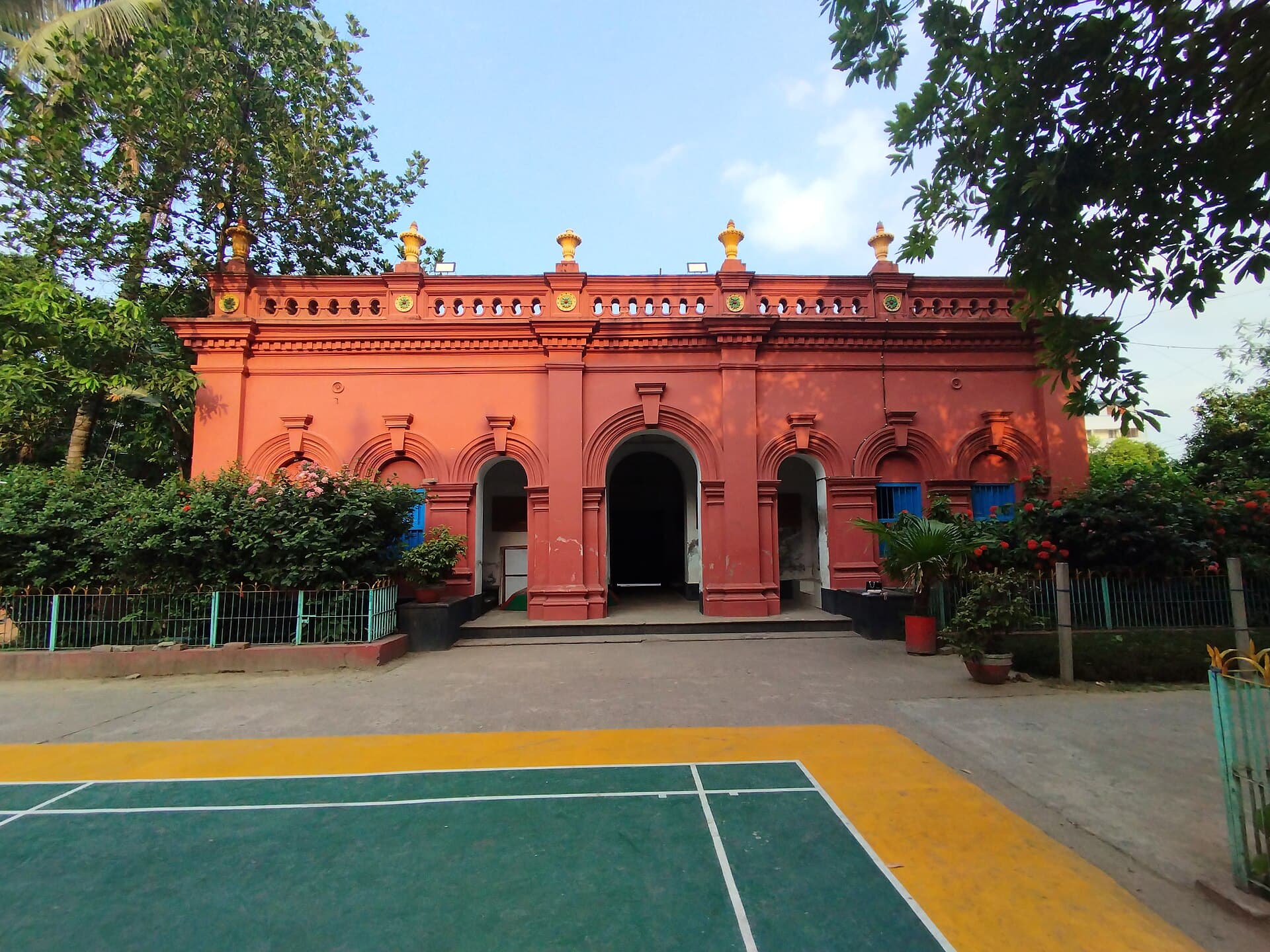
Kushtia Municipal Museum: Exploring Local Heritage in Bangladesh’s Cultural Hub
Discover the stories, artifacts, and traditions that define Kushtia at this focused municipal museum.
Why Visit Kushtia Municipal Museum
Located in the heart of Kushtia, this museum preserves the distinctive history of the region along the Padma River, with emphasis on folk culture, the legacy of mystic poet Lalon Shah, and local responses to major events including the 1971 Liberation War. Its collections highlight everyday objects, documents, and crafts that reveal how riverine life and spiritual traditions shaped the district.
What to See and Do
Exhibits are arranged to show the progression of Kushtia from early settlements to modern times. Visitors encounter pottery and metalwork from riverside communities, photographs of Lalon’s followers, and period furniture that illustrate domestic life in the early twentieth century. A dedicated section presents newspapers, letters, and personal items tied to the independence movement, offering quiet insight into local participation. The modest galleries encourage slow viewing; allow at least ninety minutes to read captions and examine the craftsmanship on display.
Practical Layout
- Ground floor focuses on archaeological finds and river trade.
- Upper floor houses the Lalon-related materials and independence-era records.
- A small courtyard often displays larger agricultural tools and stone carvings recovered locally.
How to Get There
Kushtia town lies roughly 250 kilometres west of Dhaka. Intercity buses run regularly from Gabtoli or Saidabad terminals; the journey takes five to six hours. Trains from Dhaka to Kushtia station are comfortable alternatives. Once in town, the museum sits near the municipal offices, reachable by rickshaw or on foot from the main bazaar. Road signs in Bengali and English mark the approach.
Best Time to Visit
November through February brings cooler, drier weather ideal for walking between the museum and nearby sites. Summer months are hot and humid, while the monsoon can bring flooding that disrupts travel on low-lying roads. Early weekday mornings usually mean fewer visitors and softer light for photography.
Nearby Attractions
After the museum, many travellers continue to the Lalon Shah shrine at Kumarkhali, about twenty kilometres away, where annual festivals feature Baul music. The Padma River ghats offer scenic views and local boat rides, while the historic Kushtia Circuit House provides a glimpse of colonial architecture. Combining these stops creates a full day focused on the district’s cultural and natural landscape.
Visitor tips
- Wear modest clothing and remove shoes when requested inside galleries to show respect for local customs.
- Carry drinking water and a small umbrella year-round; Kushtia afternoons can turn suddenly warm or rainy.
- Hire a local guide or use a translation app for Bengali captions if you do not read the language fluently.
Frequently asked questions
Is photography allowed inside the museum?
Non-flash photography is generally permitted for personal use, but always check posted signs or ask staff before photographing specific exhibits.
Are the exhibits labelled in English?
Most displays carry Bengali text; a few key panels include English summaries. Visitors often rely on context or staff explanations for deeper understanding.
How long does a typical visit take?
Most people spend one to two hours walking through the galleries, though those interested in Lalon or 1971 history may stay longer.
Is the museum suitable for children?
Yes, the collections are calm and educational. Younger visitors enjoy the agricultural tools and river-trade models, though there are no interactive play areas.
Can I combine a visit with the Lalon shrine in one day?
Absolutely. The shrine at Kumarkhali is a short drive or bus ride away, making it practical to visit both sites on the same day.