Keep reading
Nearby & related
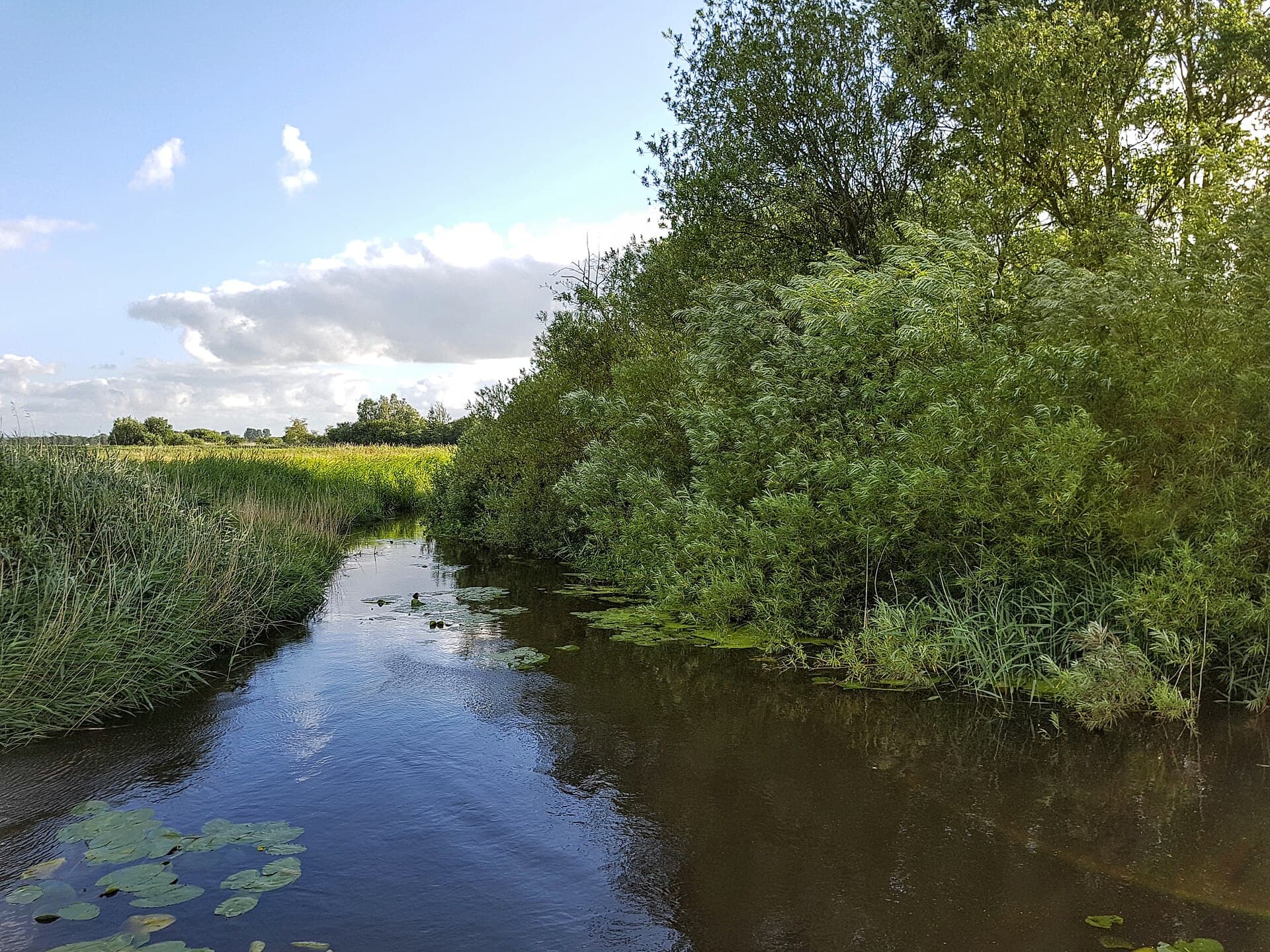
Blockland – Burgdammer Wiesen: Bremen’s Protected Meadow Reserve
Explore the quiet wetlands, birdlife, and pastoral landscapes of this nature reserve just north of Bremen.
15 October 2026
Step into the history of healthcare at this specialized museum chronicling hospital life and medical advances in Bremen.
Located in Bremen, the Krankenhaus-Museum preserves the story of how hospitals developed from basic infirmaries into modern medical centers. Housed in a historic building tied to the city’s healthcare past, it offers visitors a tangible connection to the evolution of nursing, surgery, and patient care in northern Germany.
The museum displays authentic medical instruments, vintage hospital beds, and archival photographs that illustrate daily routines in 19th- and 20th-century wards. Interactive sections cover the rise of anesthesia, the role of Red Cross volunteers during wartime, and the shift toward specialized treatments. One standout area reconstructs a 1920s operating theater with period equipment, allowing guests to visualize procedures before antibiotics and advanced imaging.
Particular attention is given to the training of nurses and midwives, with uniforms, diaries, and teaching models highlighting the professionalization of care. Temporary displays often explore themes such as public health campaigns or the impact of industrialization on disease patterns in the port city.
Reachable via Bremen’s efficient tram and bus network, the museum sits in a quiet residential area near central districts. Travelers arriving by train can transfer at Bremen Hauptbahnhof and continue by local transport; those driving will find limited street parking nearby and benefit from using park-and-ride facilities on the outskirts.
Spring through early autumn offers pleasant weather for combining a museum visit with outdoor walks in surrounding parks. Weekday mornings tend to be quieter, allowing more time to examine detailed displays without crowds. The permanent collection remains engaging year-round, though seasonal exhibits on historical epidemics add timely context during winter months.
After touring the museum, visitors often continue to Bremen’s UNESCO-listed town hall and the charming Schnoor quarter with its narrow lanes and artisan shops. The nearby Weser River promenade provides scenic paths for reflection on the city’s maritime and medical legacies.
Keep reading
Explore the quiet wetlands, birdlife, and pastoral landscapes of this nature reserve just north of Bremen.
The museum centers on the history of hospitals, nursing, and medical technology in Bremen from the 1800s onward, using original artifacts and reconstructions.
Yes, older children and teens interested in science or history will find the operating theater and instrument displays engaging, though younger visitors may need guidance with the more clinical exhibits.
Trams and buses from Bremen Hauptbahnhof connect directly to stops within a short walk of the museum; check local schedules for the most efficient route.
Many exhibits include bilingual German-English labels, and guided tours in English can sometimes be arranged in advance through the museum.
Combine the visit with Bremen's historic center, including the town hall, cathedral, and the picturesque Schnoor district for a well-rounded day.
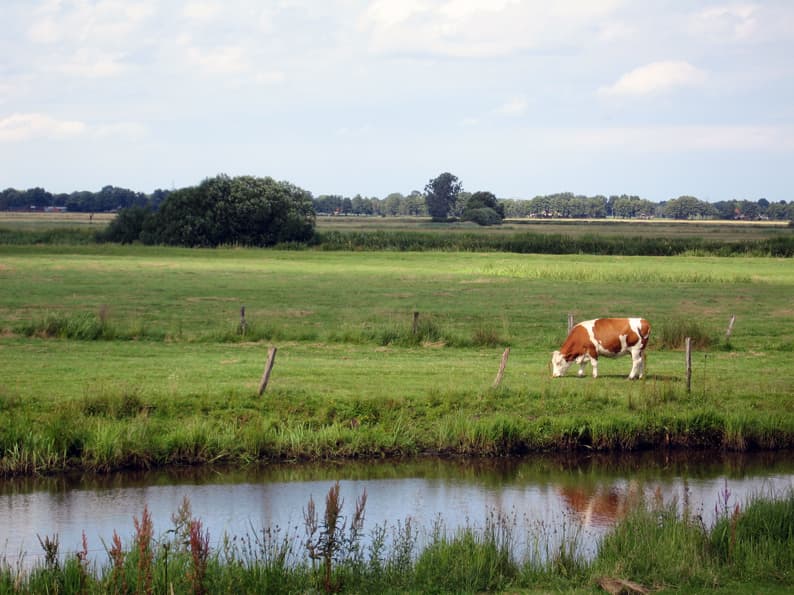
A quiet wetland reserve rich in birds and reeds, offering easy walks on the edge of the Weser estuary.
A protected wetland reserve offering peaceful walks through peat bogs and bird-rich meadows on the edge of the city.