
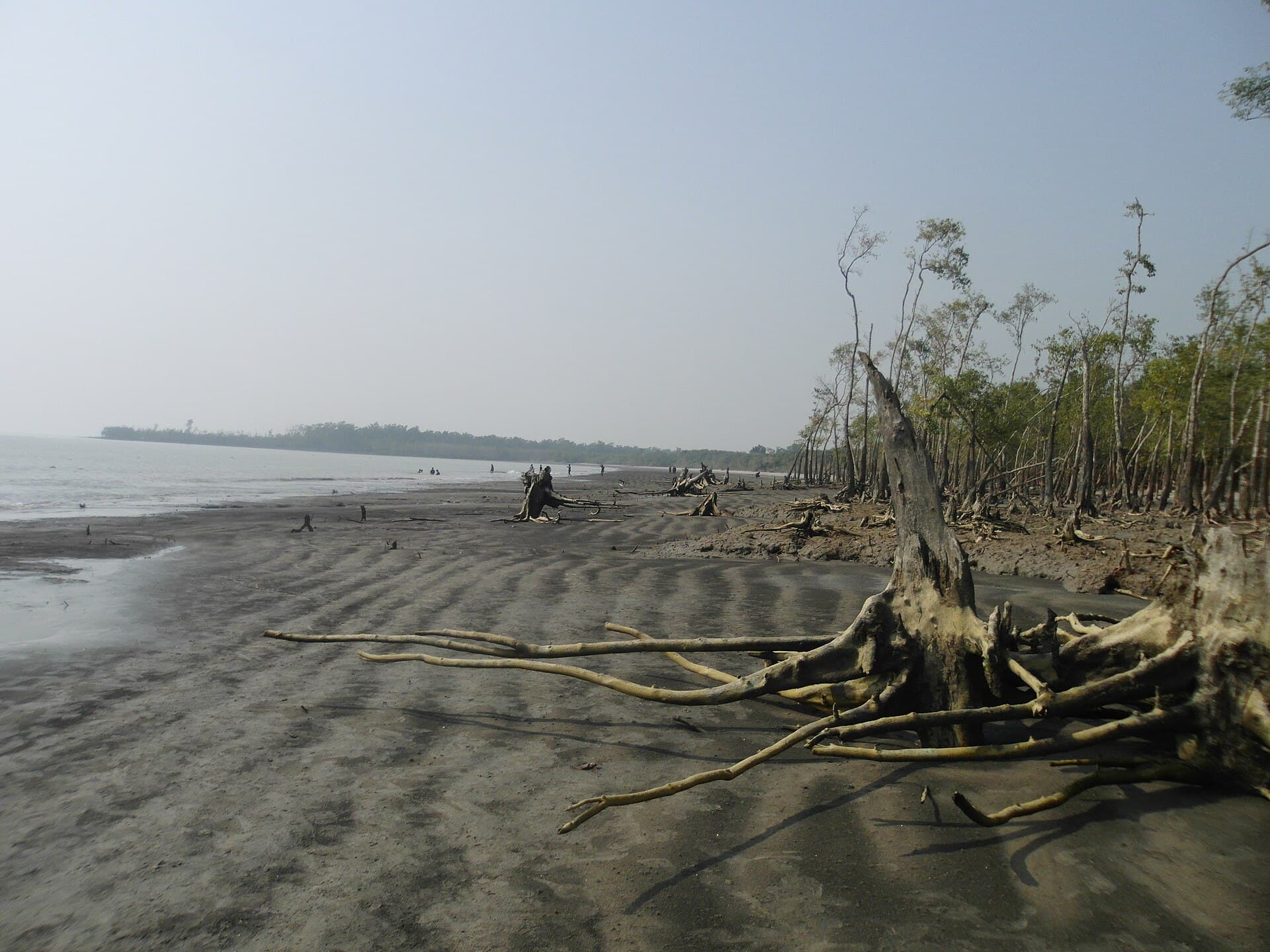
Kotka Sea Beach: Pristine Shores on the Edge of Bangladesh’s Sundarbans
A remote stretch of the Bay of Bengal where mangrove wilderness meets open sea, offering solitude and wildlife encounters in Sarankhola.
Why Kotka Sea Beach Stands Out
Kotka Sea Beach lies in Sarankhola Upazila where the Sundarbans mangrove forest meets the Bay of Bengal. Unlike developed coastal resorts, this beach remains largely untouched, backed by dense forest and fronted by wide tidal flats. Visitors come for the quiet, the chance to spot spotted deer or monkeys at the forest edge, and the sense of being far from crowds.
Reaching Kotka Sea Beach
Most travelers start from Khulna or Bagerhat. From either town, buses or shared vehicles run to Sarankhola Upazila headquarters. From there, local launches or arranged boats continue south along the river channels toward the coast. The final approach may involve a short walk across sandy tracks or a small dinghy ride at high tide. Because the area sits inside or adjacent to protected forest zones, many visitors travel with a licensed local guide who handles permissions and navigation.
Best Time to Visit
The dry winter months from November through February bring calmer seas, lower humidity, and fewer mosquitoes. March and April can still be pleasant but grow hotter, while the monsoon season from June to September brings heavy rain, rough water, and restricted boat access. Cyclones occasionally affect the coast, so checking regional forecasts remains wise even in the cooler months.
Things to See and Do
Early morning walks along the shoreline often reveal fresh deer tracks and seabird activity. The forest fringe offers short guided trails where guides point out mangrove species and animal signs without venturing deep into tiger territory. At low tide the exposed flats become good for shell collecting and photography. Some visitors hire small boats for short river excursions to watch for crocodiles or water monitors. Swimming is possible but requires caution due to strong tidal currents and occasional debris.
- Observe wildlife from the beach-forest boundary at dawn or dusk.
- Explore nearby fishing hamlets to see traditional boat-building techniques.
- Watch the sunset over the mangroves from the open sand.
Nearby Attractions
Kotka sits near other entry points to the Sundarbans, including Karamjal and the Dublar Char islands. Multi-day boat tours often combine Kotka with these sites, allowing visitors to experience both beach and deeper mangrove channels. The historic mosque city of Bagerhat lies a few hours north and pairs well with a beach trip for those interested in UNESCO-listed architecture.
Visitor tips
- Hire a local guide familiar with tides and forest permits to avoid getting stranded or entering restricted zones.
- Pack plenty of drinking water, insect repellent, and a headlamp, as facilities are minimal and electricity is limited.
- Respect the environment by carrying out all waste and staying on established paths to protect the fragile mangrove edge.
Frequently asked questions
How do I reach Kotka Sea Beach from Dhaka?
Take an overnight train or bus to Khulna, then continue by road to Sarankhola Upazila and arrange a local boat for the final stretch along the river channels.
Is Kotka Sea Beach safe for swimming?
Swimming is possible but tidal currents can be strong; check local conditions and avoid swimming alone or at night.
What wildlife might I see at Kotka?
Spotted deer, monkeys, and numerous seabirds are commonly visible from the beach-forest edge; deeper forest sightings require caution and a guide.
Do I need special permits to visit?
Areas bordering the Sundarbans often require forest department permission; a licensed local guide or tour operator can arrange the necessary paperwork.
Are there places to stay near Kotka Sea Beach?
Basic forest rest houses and simple guesthouses exist in Sarankhola; many visitors stay in Khulna or Bagerhat and make day or overnight trips.