
Koh Tang: Cambodia’s Remote Island Haven Near Kampot
Discover pristine beaches, coral reefs, and quiet trails on this untouched island in Kampot Province.
Why Koh Tang Stands Out
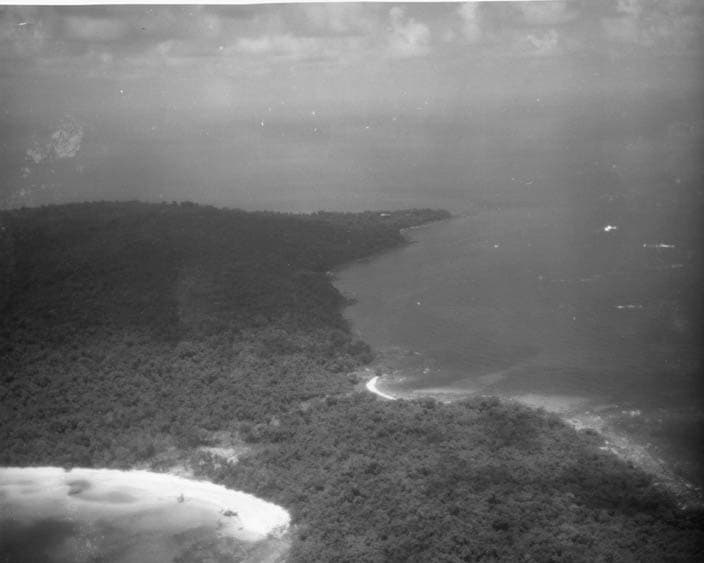
Koh Tang sits in the Gulf of Thailand roughly 20 kilometers offshore from Kampot Province, offering visitors a rare slice of undeveloped Cambodian coastline. Its granite boulders, white-sand coves, and surrounding reefs attract snorkelers and bird-watchers who prefer fewer crowds than the islands near Sihanoukville.
Getting There from Kampot
Most travelers arrange a private or shared long-tail boat from the Kampot riverfront or nearby fishing villages. The crossing takes about 90 minutes in calm conditions and passes through waters that sometimes yield sightings of flying fish and small pods of dolphins. Return trips are best scheduled before late afternoon winds pick up.
Best Time to Visit
November through April brings the most reliable weather, with lighter winds and clearer water for snorkeling. May to October sees more rain and occasional rough seas, though the island remains accessible and far less visited during these months.
What to See and Do
Walk the main crescent beach on the island’s eastern side, where clear shallows reveal sea cucumbers and small reef fish. A short inland path climbs past casuarina trees to a viewpoint overlooking both the mainland and neighboring islets. Serious snorkelers head to the northern and western reefs, where hard coral gardens remain largely intact. Birders may spot white-bellied sea eagles and migratory shorebirds along the rocky shoreline.
Nearby Attractions Worth Combining
Many visitors pair a Koh Tang day trip with a stop in Kep for its crab market and the short loop trail through Kep National Park. On the mainland, the Kampot River offers easy sunset boat rides past salt fields and pepper plantations. Bokor National Park’s highland plateau lies two hours inland and provides a cool contrast to the island’s tropical heat.
Practical Considerations
The island has no permanent settlements or electricity, so travelers must carry all water, food, and waste back with them. Basic shade structures exist near the main beach, but camping requires advance permission from local boat operators. Respect the island’s quiet atmosphere by keeping noise low and staying on established paths to protect nesting birds.
Visitor tips
- Bring at least two liters of water per person and pack out all trash, as no facilities exist on the island.