
Keep reading
Nearby & related
Bremen
Heini Holtenbeen: Bremen’s Enduring Folk Statue
Discover the story, setting, and simple pleasures of visiting this beloved Bremen landmark.
18 October 2026
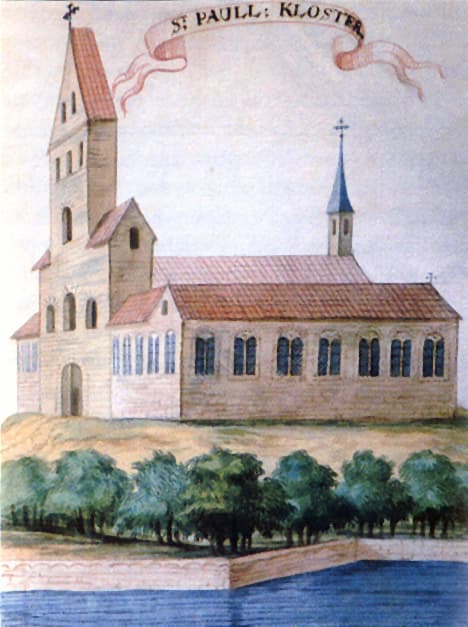
Step into the peaceful cloisters and historic grounds of this 13th-century monastery in northern Germany’s Hanseatic city.
Kloster St. Paul stands as a quiet oasis amid Bremen’s urban landscape, offering visitors a glimpse into medieval monastic life. Founded in the 13th century, the former Cistercian monastery features preserved cloisters, a simple yet elegant church, and surrounding gardens that invite slow exploration. Its location near the city center makes it an easy addition to any Bremen itinerary focused on history and architecture.
The monastery’s origins trace back to the Middle Ages when Cistercian monks established communities across northern Germany. The surviving structures showcase typical Gothic elements, including pointed arches and vaulted ceilings in the church. Over centuries the site transitioned from active religious use to a protected cultural landmark, reflecting Bremen’s layered past as a prosperous trading port. Today the buildings and grounds convey the order’s emphasis on simplicity and contemplation.
Begin in the cloister walk, where stone columns frame views of the inner courtyard. The abbey church retains original altars and stained-glass windows that filter soft light across wooden pews. Outside, the monastery garden offers seasonal blooms and shaded paths ideal for reflection. Guided tours, when available, highlight hidden details such as medieval stone carvings. Photographers appreciate the contrast between the monastery’s austere stone and the surrounding greenery.
Reaching Kloster St. Paul is straightforward by public transport or on foot from Bremen Hauptbahnhof. Several tram lines stop nearby, and the site lies within easy walking distance of the historic market square. Cyclists can use the city’s extensive bike paths, with racks available close to the entrance. The best time to visit is spring through early autumn, when gardens are in bloom and outdoor seating is comfortable; winter brings fewer crowds but cooler temperatures suited to indoor exploration of the church.
Combine your visit with Bremen’s UNESCO-listed Town Hall and the statue of Roland on the market square, both a short walk away. The nearby Schnoor quarter’s narrow lanes and half-timbered houses provide a picturesque contrast to the monastery’s solemnity. For those extending their stay, the Weser River promenade offers scenic walks leading toward the Übersee-Museum and its collection of global artifacts.
Keep reading
Discover the story, setting, and simple pleasures of visiting this beloved Bremen landmark.
No, the site is preserved as a historic monument and cultural venue rather than an operating religious community.
The church and cloister walk are generally accessible during daylight hours, though access may be restricted during private events or services.
Most visitors spend 45 to 90 minutes exploring the grounds, church, and garden.
Yes, the quiet gardens and simple architecture make it a calm stop for families, though there are no dedicated play areas.
Spring blossoms in the garden and occasional summer concerts in the cloister provide pleasant seasonal experiences.
This bronze bear links Berlin and Bremen through history, art, and public space in northern Germany.
Climb to Vogelnest for sweeping views across Bremen’s rooftops, the Weser River valley, and rolling countryside beyond.