
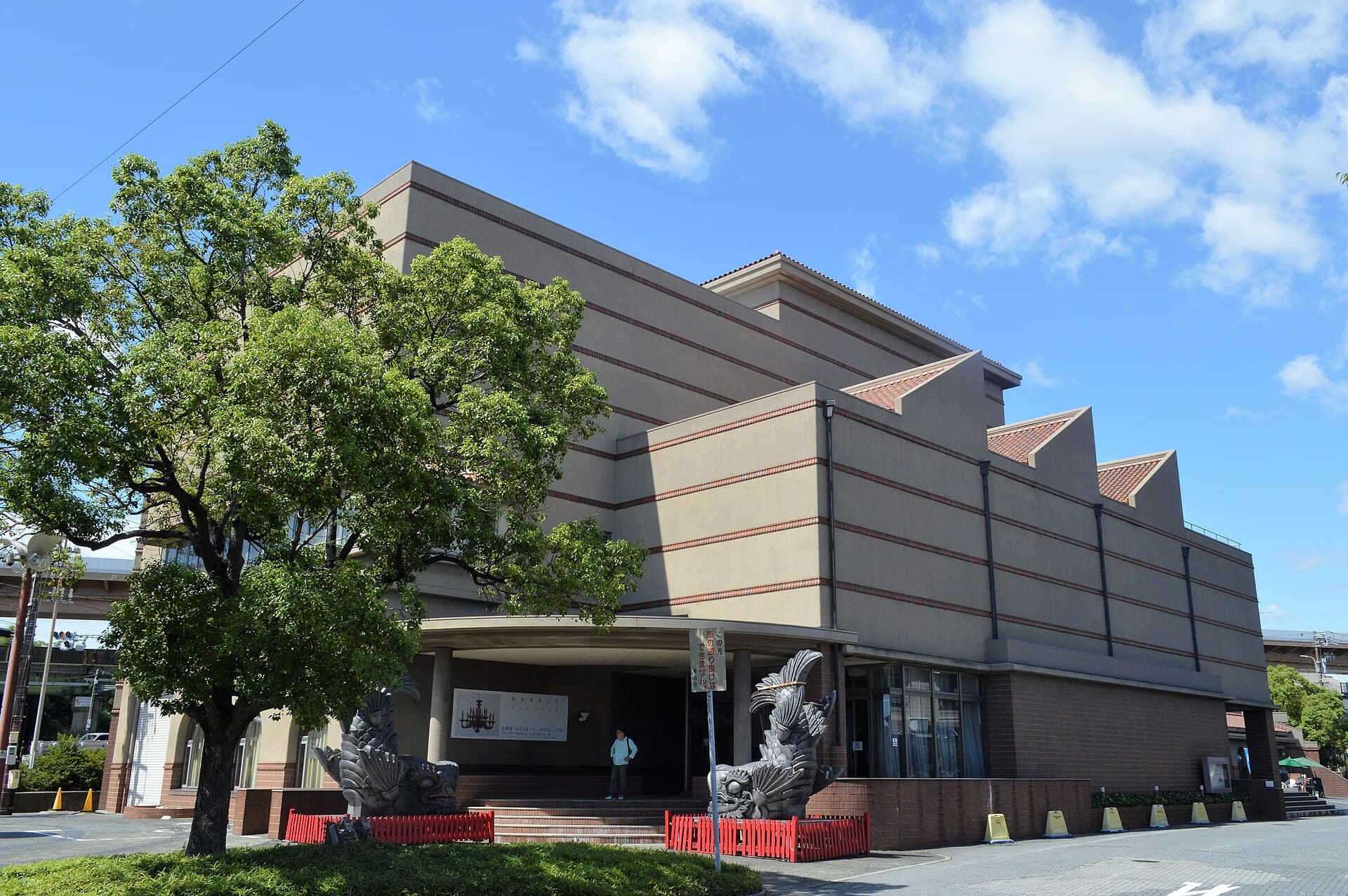
Kawara Museum/Library of Takahama City: A Hometown of Ceramics
This distinctive museum and library in Takahama celebrates Aichi Prefecture’s deep-rooted tradition of ceramic tile production and craftsmanship.
Discovering Takahama’s Ceramic Heritage
Takahama, located in Aichi Prefecture between Nagoya and the coast, has long been recognized as a production center for kawara, the durable clay roof tiles that define much of Japan’s traditional architecture. The Kawara Museum/Library preserves this industrial and artistic legacy through permanent displays of historical tiles, production tools, and contemporary ceramic works that trace the evolution of local kilns from the Edo period onward.
Exhibits That Highlight Craft and Innovation
Visitors enter a sequence of galleries showing raw clay samples from regional deposits, wooden molds used by generations of tile makers, and finished kawara in classic and modern profiles. One section focuses on firing techniques, including the distinctive climbing kilns once common in the area, while another presents large-scale architectural installations demonstrating how tiles were integrated into roofs, walls, and garden features. Rotating exhibitions often feature living artists who reinterpret traditional forms in sculpture or functional ware.
The Library Collection
Adjacent to the exhibition halls, the library holds thousands of volumes on Japanese ceramics, technical manuals on kiln construction, design pattern books, and academic studies of Aichi’s pottery villages. Researchers and casual readers alike can consult the open stacks or request specific titles; many resources are in Japanese, though English summaries accompany major displays.
Getting There and Planning Your Visit
The museum sits within easy reach of Meitetsu Takahama Station; from Nagoya, the train ride takes roughly 30 minutes. Local buses connect the station to the museum entrance. Because the site combines indoor galleries with a compact outdoor tile garden, visitors should allow two to three hours for a relaxed exploration. The surrounding neighborhood still contains active workshops, and short walks reveal stacks of drying tiles and modest showrooms where makers sell seconds and specialty pieces.
Best Time to Visit and Nearby Attractions
Spring and autumn offer the most comfortable temperatures for walking between the museum and nearby ceramic towns such as Tokoname, known for its teapots, and Seto, famed for its porcelain. Summer humidity can make outdoor kiln sites less pleasant, while winter provides clear views of snow-dusted tile roofs. Combining the museum visit with a half-day circuit of working kilns in the Chita Peninsula yields a fuller picture of Aichi’s living ceramic culture.
Visitor tips
- Wear comfortable shoes; the outdoor tile garden includes uneven paths and steps.
- Pair your visit with a stop at a working tile workshop in central Takahama for demonstrations of hand-forming techniques.
- Bring a small notebook or camera if you plan to sketch or photograph tile patterns for later reference in the library.
Frequently asked questions
How do I reach the museum from Nagoya?
Take the Meitetsu train from Nagoya Station toward Kowa or Utsumi and alight at Takahama Station; the museum is a short bus or taxi ride from the station.
Is the museum suitable for families with children?
Yes; the galleries include tactile displays of clay and tile textures, and the outdoor garden provides space to explore safely, though young children should be supervised near the kiln models.
Can I purchase ceramics or tiles on site?
The museum shop offers small souvenir tiles and books, but larger architectural pieces are best purchased directly from nearby workshops that welcome visitors.
Are English materials available?
Major exhibit labels include English summaries, and the library maintains a small selection of bilingual reference books on Japanese ceramics.
What is the best season for photography of the tile displays?
Late autumn and early spring provide soft natural light and fewer reflections on glazed surfaces, making details of patterns and textures easier to capture.