
Keep reading
Nearby & related
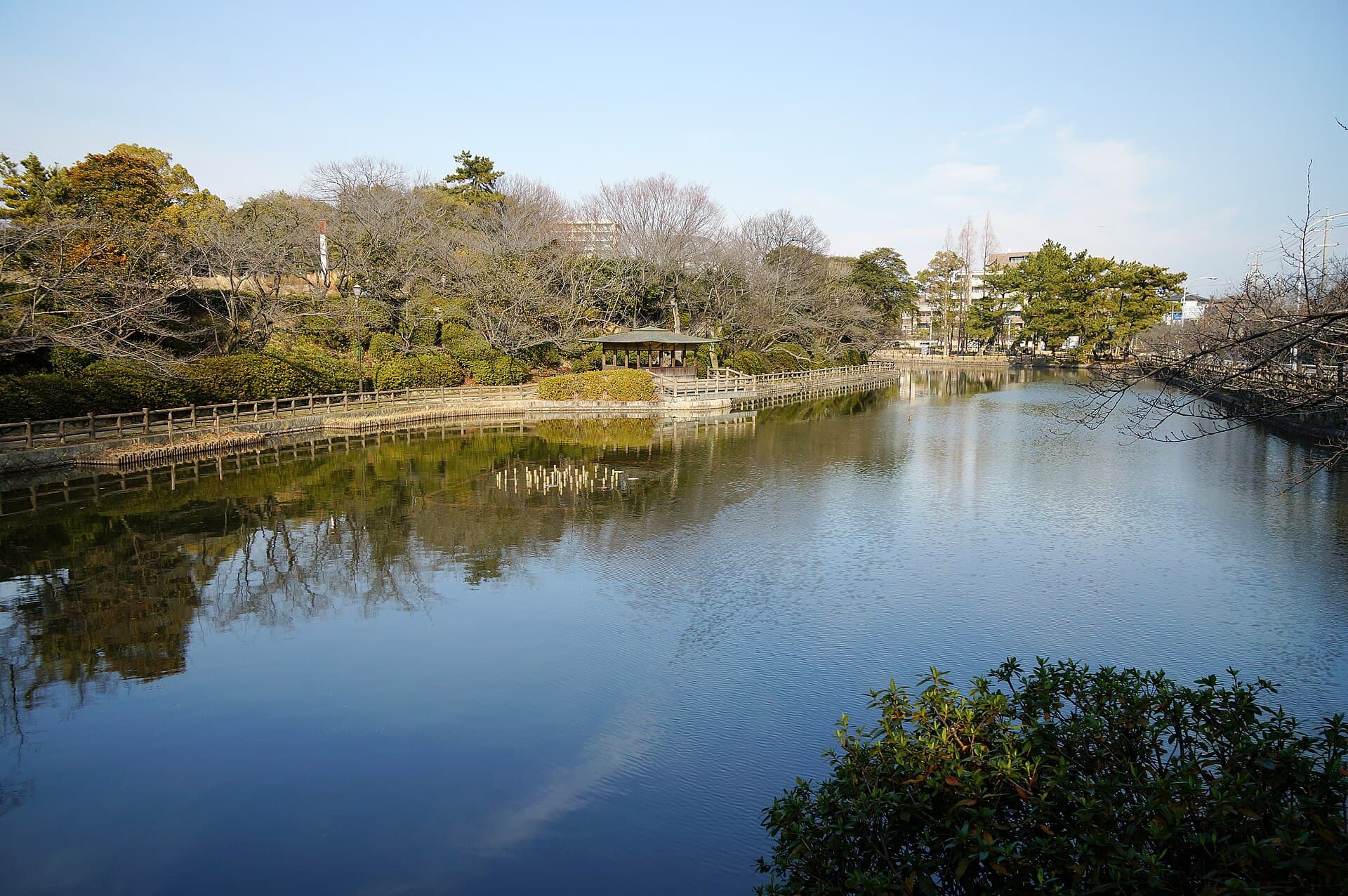
Kijō Park: Kariya’s Castle Ruins and Seasonal Gardens in Aichi
Wander the preserved moats and stone walls of Kariya Castle at Kijō Park while enjoying cherry blossoms, ponds, and…
18 August 2026
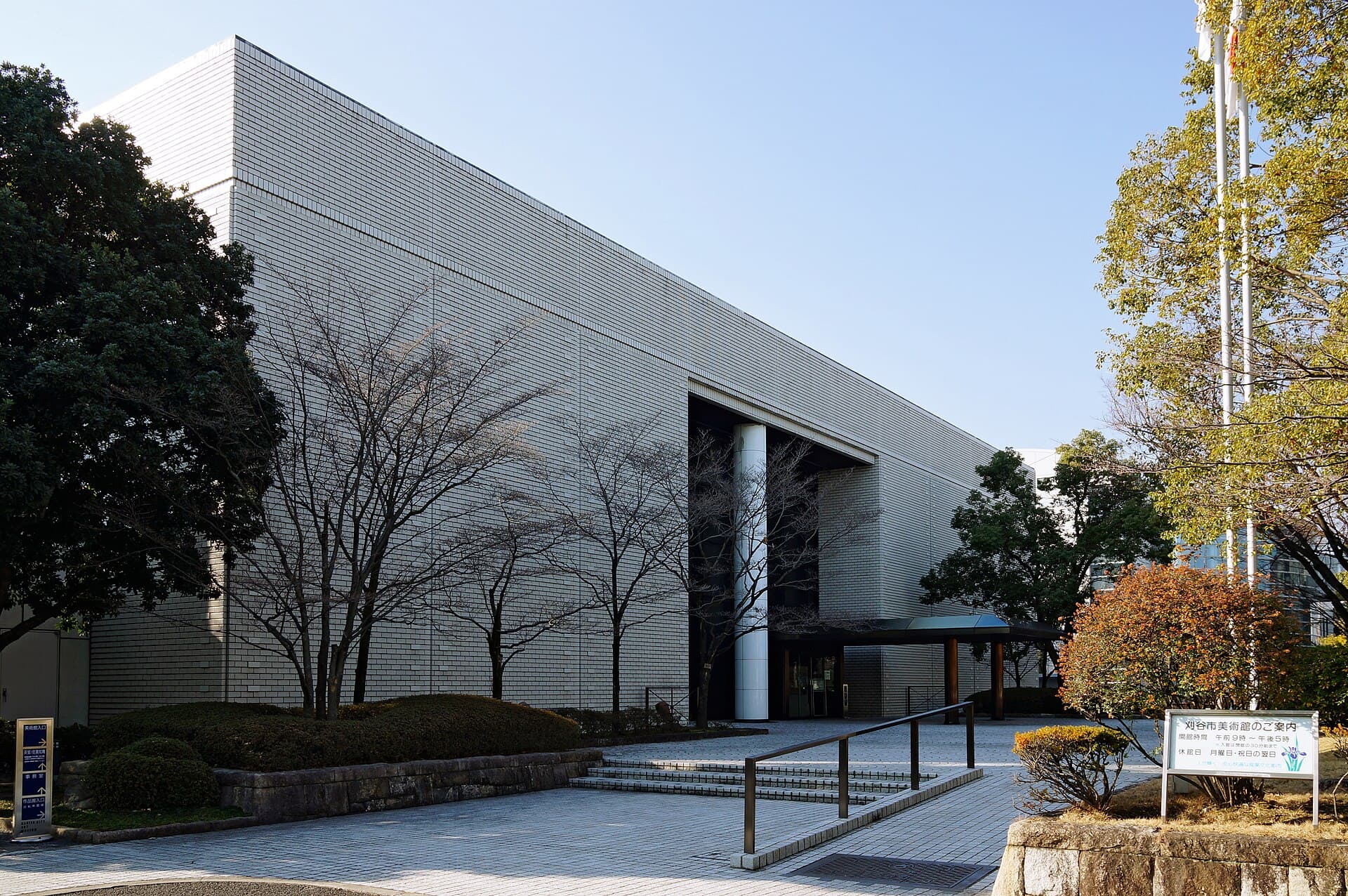
Discover the distinctive collection and serene setting of this regional art museum focused on 20th-century Japanese works.
Located in the heart of Kariya, this museum highlights modern and contemporary Japanese art with a strong emphasis on artists connected to Aichi Prefecture and the broader Tokai region. Its permanent collection features paintings, prints, and sculptures from the Taisho era through postwar abstraction, offering visitors a focused look at how local creators responded to national and international movements. The building itself integrates clean modernist lines with surrounding gardens, creating a calm environment that encourages slow viewing rather than rushed touring.
Begin in the permanent galleries where rotating selections showcase oil paintings by regional artists alongside prints and mixed-media works that explore themes of industrialization and rural life. Temporary exhibitions often bring in pieces from national collections, pairing them with local context. Outside, the sculpture garden provides space to reflect on larger outdoor works while walking among native plants. Educational programs and artist talks, when available, add depth for those interested in technique and historical background.
Kariya sits on the JR Tokaido Main Line between Nagoya and Toyohashi, making the museum an easy half-day excursion from central Nagoya. From Kariya Station, local buses or a short taxi ride reach the museum entrance. Travelers arriving by car will find parking nearby, though public transport avoids the need to navigate industrial-zone roads. The location also works well as a stop between Nagoya and the Toyota area.
Spring and autumn offer the most comfortable temperatures for walking between the museum and nearby green spaces. Early April brings cherry blossoms to the adjacent park, while late October and November provide mild weather and fewer crowds. Summer visits are possible but pair best with indoor focus due to heat and humidity; winter days remain clear enough for comfortable indoor exploration.
Combine a museum visit with a stroll through Kariya’s central park or a stop at the city’s historic sites. Nagoya’s major museums and the Toyota Commemorative Museum of Industry and Technology lie within a short train ride, allowing visitors to build a full day around art and regional industry history. The surrounding area also offers access to traditional soba shops and local markets for a complete cultural experience.
Most visitors find two hours sufficient to view the permanent collection and one temporary exhibition at a relaxed pace.
The museum welcomes families; younger visitors often enjoy the sculpture garden and large-scale works, though interactive childrenu2019s programs are limited.
Yes. The museum works well as a half-day stop on the way to or from Nagoya or Toyota, both reachable by JR train in under thirty minutes.
Basic English exhibition summaries are sometimes provided; a translation app helps with detailed wall text that remains primarily in Japanese.
Spring cherry blossoms and autumn foliage in the surrounding park provide attractive natural frames for exterior shots.
Keep reading
Wander the preserved moats and stone walls of Kariya Castle at Kijō Park while enjoying cherry blossoms, ponds, and…