
Keep reading
Nearby & related
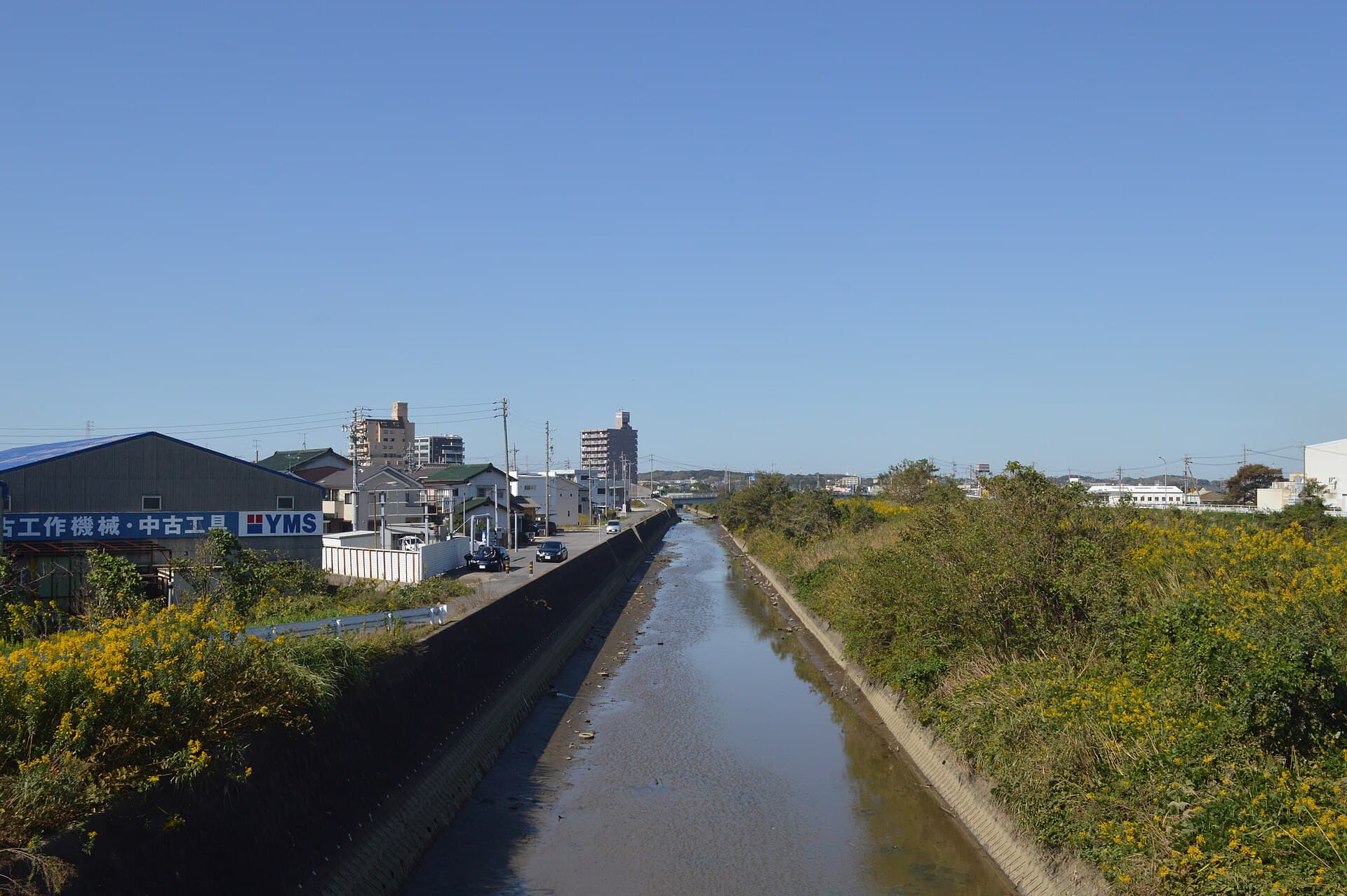
Jukka River: Peaceful Waters and Local Charm in Handa, Aichi
Wander the quiet banks of Jukka River for scenic views, seasonal blossoms, and easy access to Aichi’s coastal heritage.
18 August 2026
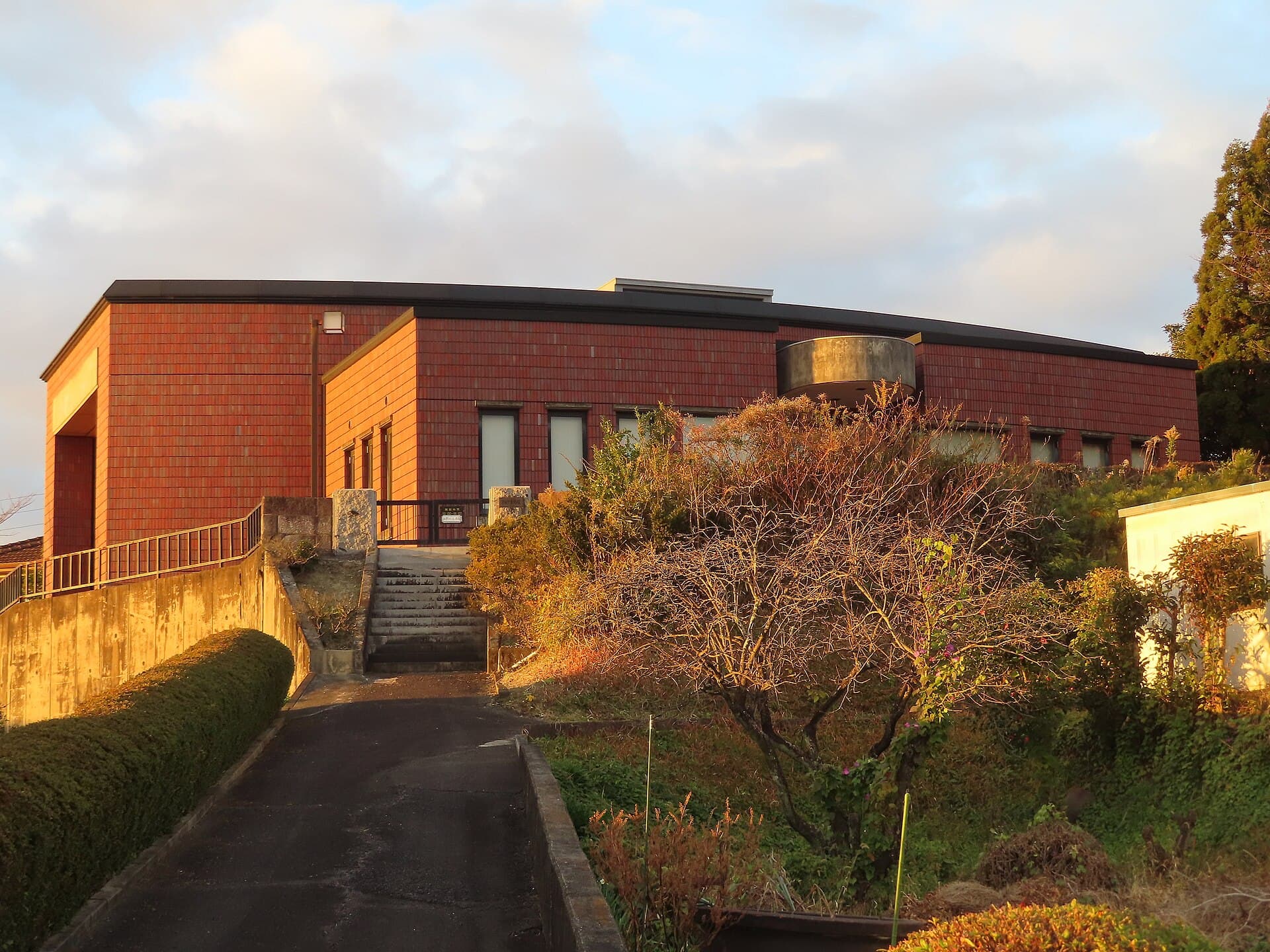
This serene private museum in Aichi Prefecture showcases a focused collection of Japanese paintings and calligraphy in a quiet residential setting.
Located in the historic port town of Handa, the Kamiya Museum of Art provides a quiet, personal encounter with Japanese art. Housed in a modest building that once served as a residence, the museum displays works spanning from the Edo period through the 20th century, emphasizing nihonga paintings, calligraphy, and select ceramics. The intimate scale allows visitors to linger before each piece without crowds, making it ideal for those seeking a contemplative art experience rather than blockbuster exhibitions.
The core holdings reflect the personal taste of the Kamiya family, with particular strength in landscapes and bird-and-flower subjects by regional artists. Several scrolls and screens demonstrate delicate ink techniques and subtle use of mineral pigments. Rotating displays also feature calligraphy by noted masters, often paired with poetry that reveals the literary connections common in Japanese art. Because the museum rotates selections from its storage, repeat visitors frequently encounter different works on subsequent trips.
Most guests spend between 45 and 90 minutes inside the galleries. The layout moves visitors through a sequence of small rooms that once formed living quarters, preserving tatami flooring in some areas and offering a sense of how the collection was originally enjoyed in a domestic context. Natural light from garden-facing windows enhances the viewing experience, especially on clear days when the adjacent courtyard garden provides a peaceful backdrop.
Handa lies roughly 30 minutes south of Nagoya by train on the Meitetsu line. From Handa Station, the museum is a pleasant 15-minute walk through quiet residential streets lined with traditional wooden houses. Those arriving by car will find limited street parking nearby; many visitors combine the trip with Handas well-known sake breweries, several of which offer tastings and factory tours within a short drive.
Early spring and late autumn offer the most comfortable weather for walking between the museum and nearby sites. The adjacent historic district features preserved sake warehouses and the Handa Red Brick Warehouse, now home to local craft shops. A short bus ride reaches the Chita Peninsula coastline, where visitors can enjoy fresh seafood and views of Ise Bay. Combining the museum with a brewery visit and lunch creates a satisfying half-day itinerary that captures both Handas artistic and industrial heritage.
Most labels are in Japanese only, but the staff can provide a simple English summary sheet at the entrance. Audio guides are not available.
Photography without flash is generally allowed for personal use, though certain fragile works on display may be marked as off-limits.
A small restroom is located near the entrance. There is no cafu00e9, but visitors are welcome to rest on benches in the garden courtyard.
Yes. Several breweries lie within a 10-minute drive or short taxi ride, making it easy to visit the museum and sample local sake on the same morning or afternoon.
The main floor is accessible, but some interior steps and narrow doorways may present challenges. Advance notice to staff can help arrange assistance.
Keep reading
Wander the quiet banks of Jukka River for scenic views, seasonal blossoms, and easy access to Aichi’s coastal heritage.