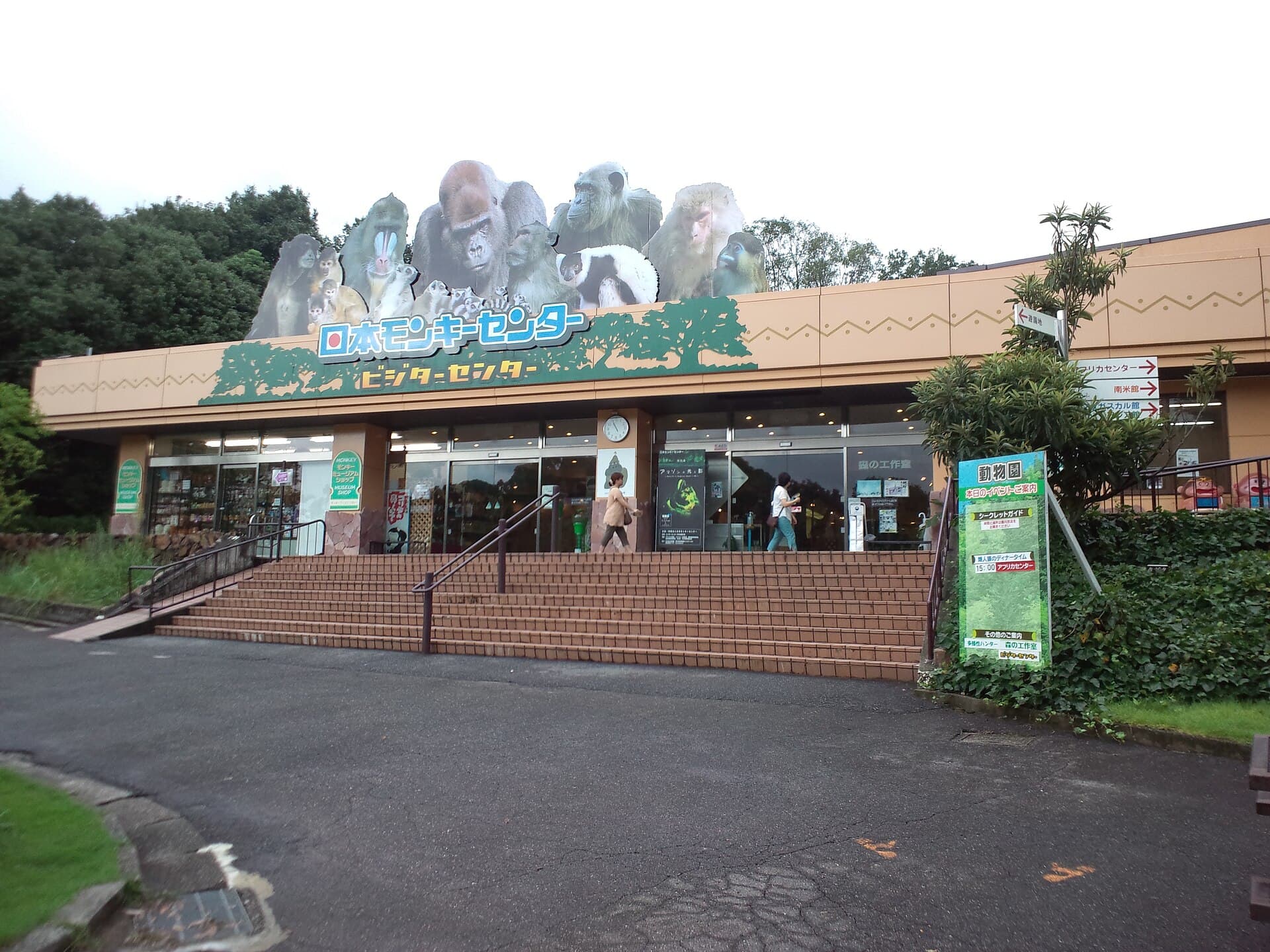
Why the Japan Monkey Center Stands Out
Founded in 1956 as both a zoo and research institute, the Japan Monkey Center houses more than 60 primate species across its forested grounds in Inuyama. Unlike general zoos, its focus remains exclusively on monkeys, apes, and prosimians, allowing visitors to observe natural behaviors up close in thoughtfully designed enclosures that mimic native habitats.
What to See and Do
Begin at the central plaza where Japanese macaques roam freely in a large enclosure, showcasing the species that inspired the park’s name. Continue to the gibbon island to hear their distinctive calls echoing across the water, then visit the lemur house for playful ring-tailed groups. The indoor Primate Museum displays skeletons, taxidermy specimens, and cultural artifacts that trace human-primate connections across Asia and Africa.
- Watch daily enrichment sessions where keepers hide food to encourage foraging.
- Walk the elevated boardwalks for eye-level views of arboreal species such as colobus and spider monkeys.
- Attend keeper talks that explain conservation programs protecting endangered primates in the wild.
Getting There
From Nagoya Station, take the Meitetsu Inuyama Line to Inuyama Station (about 30 minutes). From there, local buses run directly to the center’s entrance in roughly 15 minutes, or the site can be reached on foot via a pleasant riverside path. Travelers arriving by car will find ample parking near the main gate, with easy access from the Meishin Expressway.
Best Time to Visit
Spring (March–May) and autumn (October–November) bring mild temperatures ideal for walking the hilly paths. Summer humidity can make outdoor viewing less comfortable, while winter offers quieter grounds and the chance to see snow-dusted macaques. Early morning visits often coincide with active feeding times before larger crowds arrive.
Nearby Attractions
Combine a visit with Inuyama Castle, Japan’s oldest surviving wooden keep perched above the Kiso River. The nearby Meiji Mura open-air museum preserves historic buildings from the late 19th and early 20th centuries, while the scenic river itself offers boat rides and riverside walks that complement a day focused on nature and culture.