Skip to content
Plan & Tour
DestinationsItinerariesTravel BlogAboutContact
0Sign inPlan a trip
Plan & TourPlan & Tour

Travel guides, destination inspiration and curated itineraries for Canada, the USA and beyond, plus a free tool to plan your own day-by-day trip.

Get travel inspiration

Explore

  • All Destinations
  • Curated Itineraries
  • Travel Blog
  • Plan a Trip

Topics

  • Hiking & Nature
  • Food & Drink
  • City Breaks
  • Budget Travel

Company

  • About Us
  • Contact
  • Privacy Policy
  • Terms of Service

© 2026 Plan & Tour. Built for travellers.

Discover the world, one trip at a time.

Iwase Bunko Library: A Hidden Repository of Japanese Classics in Nishio
  1. Home
  2. Destinations
  3. Nishio
  4. Iwase Bunko Library: A Hidden Repository of Japanese Classics in Nishio
Museum

Iwase Bunko Library: A Hidden Repository of Japanese Classics in Nishio

Step into a century-old private collection of rare texts that reveals the scholarly heart of Aichi Prefecture.

NishioUpdated 14 August 2026

Why Iwase Bunko Library Matters

Nestled in the quiet streets of Nishio, Iwase Bunko Library preserves one of Japan’s most remarkable private collections of pre-modern Japanese books and manuscripts. Founded by local merchant and bibliophile Iwase Saikichi in the early twentieth century, the library holds tens of thousands of volumes spanning literature, history, religion, and local records. Many items are designated Important Cultural Properties, making the site a living archive rather than a conventional museum.

The Building and Its Atmosphere

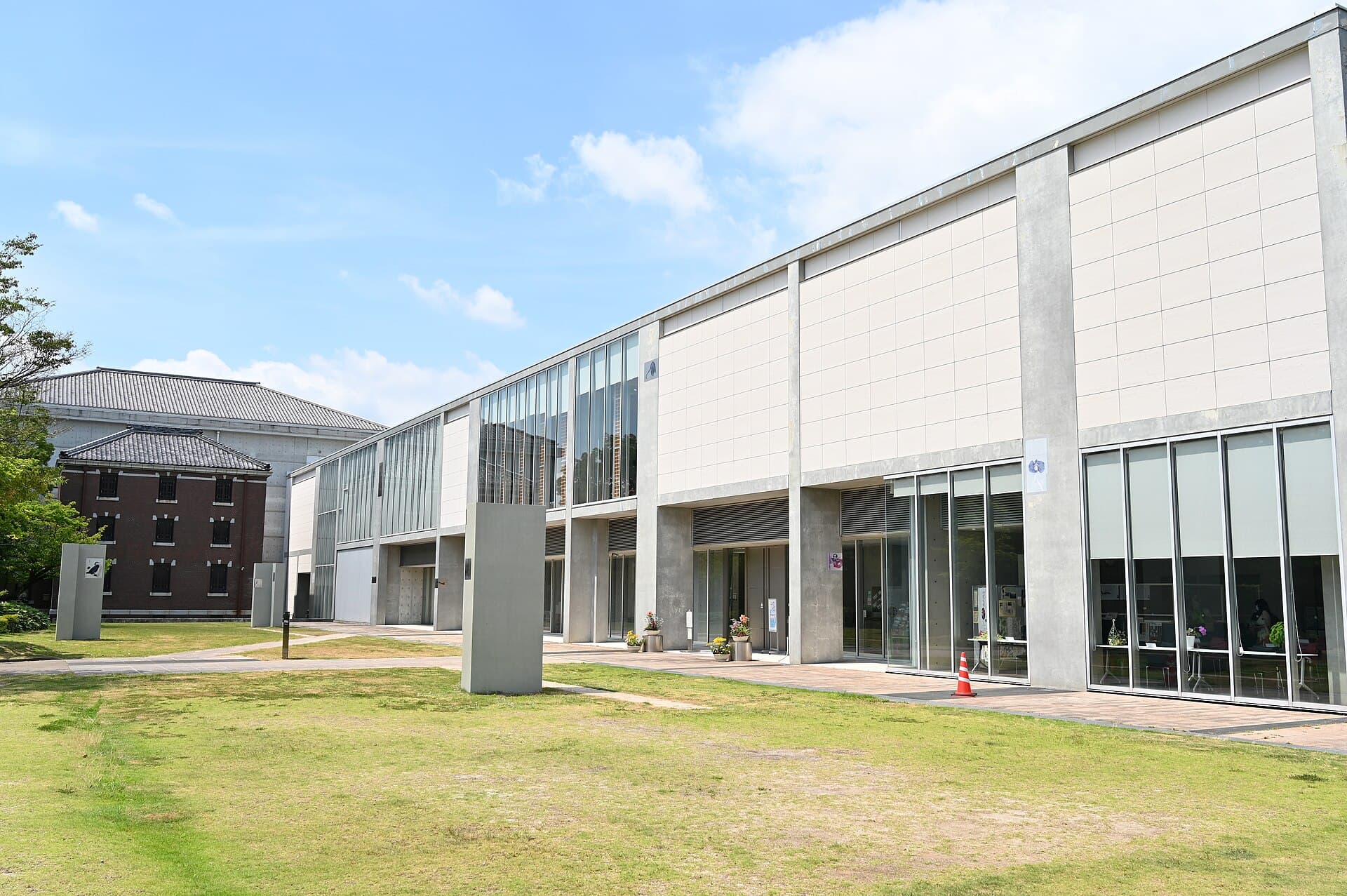
Visitors enter a traditional wooden structure that feels more like a private study than a public institution. Tatami rooms, sliding doors, and low display cases create an intimate setting where the scent of aged paper lingers. The library’s restrained design reflects the founder’s wish that scholars and readers could sit quietly with the texts themselves.

What to Expect Inside

Rotating exhibitions highlight calligraphy, woodblock prints, and hand-copied manuscripts from the Edo and Meiji periods. Glass cases protect fragile works while explanatory panels in Japanese provide context; English summaries are limited, so a translation app helps. A small garden visible from the reading rooms offers seasonal color and a place for reflection between viewings.

How to Reach Iwase Bunko Library

From Nagoya, take the Meitetsu train to Nishio Station (about 40 minutes). The library lies a short walk or quick bus ride from the station in a residential neighborhood. Travelers coming from further afield can connect via the Tokaido Shinkansen to Okazaki or Toyohashi and transfer. Parking is scarce, so public transport is preferable.

Best Time to Visit and Nearby Attractions

Spring cherry blossoms and autumn foliage enhance the walk through Nishio’s historic district. The library pairs naturally with visits to Nishio Castle ruins and the city’s celebrated matcha fields, where tea growers still use traditional methods. A half-day itinerary might include the library in the morning followed by a tea-house lunch and a stroll along the Yahagi River.

Practical Considerations for Visitors

  • Allow at least ninety minutes to absorb the displays without rushing.
  • Photography is generally restricted inside exhibition rooms to protect the collections.
  • Bring cash for any small on-site publications; credit cards are not widely accepted.

Visitor tips

  • Visit on a weekday morning to avoid any school groups and enjoy quieter rooms.
  • Download a translation app with offline Japanese-to-English capability before arrival, as most labels are in Japanese only.
  • Combine the visit with Nishiou2019s tea culture by stopping at a local matcha cafu00e9 afterward for a deeper sense of the regionu2019s heritage.

Frequently asked questions

Is Iwase Bunko Library suitable for tourists who donu2019t read Japanese?+

Yes, the visual beauty of the manuscripts and the historic building can be appreciated without language skills, though deeper understanding benefits from a translation app or joining a guided tour when available.

How long does a typical visit take?+

Most visitors spend 60 to 90 minutes viewing the exhibitions and exploring the grounds; scholars may request longer access to specific materials in advance.

Can I handle or read the books on display?+

The rare volumes are protected in cases. Limited reading-room access for researchers exists by prior arrangement, but general visitors view items behind glass.

Is the library accessible for wheelchairs or strollers?+

The traditional building has steps and tatami rooms, so accessibility is limited. Visitors with mobility needs should contact staff ahead to discuss options.

What else is worth seeing on the same day in Nishio?+

Nishio Castle, the cityu2019s matcha plantations, and the historic merchant district along the Yahagi River make an easy half-day circuit with the library.

Share
Google Maps Apple Maps Directions

Visitor info

Official website

Contact info via Wikidata

Image: Bariston · CC BY-SA 4.0 · via Wikimedia Commons