Skip to content
Plan & Tour
DestinationsItinerariesTravel BlogAboutContact
0Sign inPlan a trip
Plan & TourPlan & Tour

Travel guides, destination inspiration and curated itineraries for Canada, the USA and beyond, plus a free tool to plan your own day-by-day trip.

Get travel inspiration

Explore

  • All Destinations
  • Curated Itineraries
  • Travel Blog
  • Plan a Trip

Topics

  • Hiking & Nature
  • Food & Drink
  • City Breaks
  • Budget Travel

Company

  • About Us
  • Contact
  • Privacy Policy
  • Terms of Service

© 2026 Plan & Tour. Built for travellers.

Discover the world, one trip at a time.

Isla del Sol: Bolivia’s Sacred Birthplace of the Inca Empire
  1. Home
  2. Destinations
  3. La Paz Department
  4. Isla del Sol: Bolivia’s Sacred Birthplace of the Inca Empire
Island

Isla del Sol: Bolivia’s Sacred Birthplace of the Inca Empire

Hike ancient trails, explore Inca ruins, and experience tranquil Aymara villages on Lake Titicaca’s largest island.

La Paz DepartmentUpdated 11 October 2026

Why Isla del Sol Stands Out

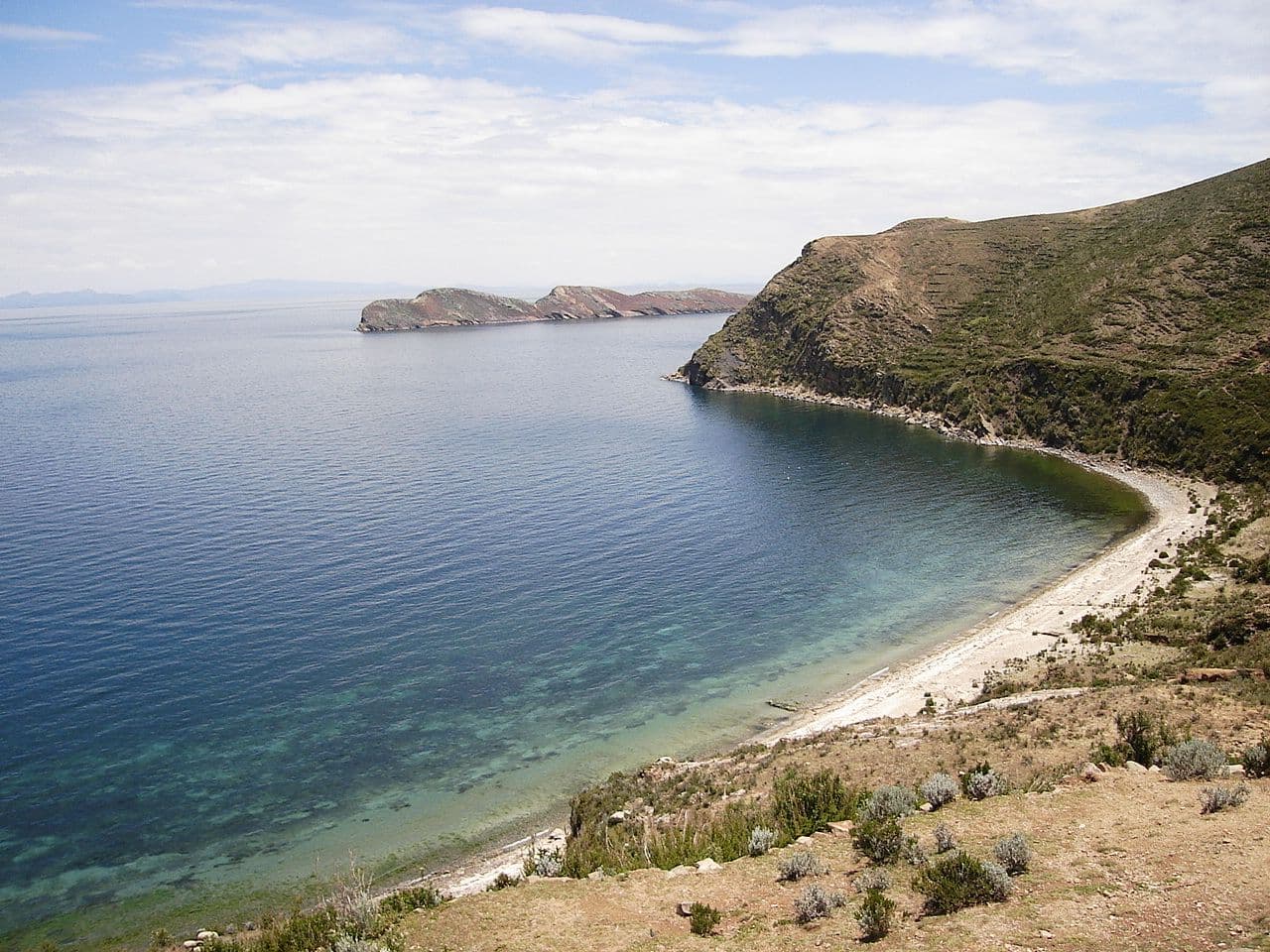
Isla del Sol rises from the deep blue waters of Lake Titicaca as the legendary birthplace of the Inca sun god Inti. The island’s terraced hillsides, eucalyptus groves, and scattered stone ruins create a landscape that feels suspended between myth and daily life. Visitors come for the combination of pre-Columbian history, high-altitude hiking, and the quiet rhythm of Aymara communities that still farm potatoes and herd llamas on the steep slopes.

Getting There

Most travelers reach Isla del Sol by boat from Copacabana on the Bolivian shore. Boats depart from the harbor and stop first at the northern landing near Chinkana, then continue to the southern pier at Yumani. The crossing takes roughly two hours each way across open water. From La Paz, a scenic bus ride over the altiplano reaches Copacabana in about three and a half hours, after which the boat provides the final link. No airport serves the island itself.

Exploring the Island

Northern Highlights

The northern end centers on the Chinkana complex, a maze-like Inca structure of stone rooms and ceremonial platforms clinging to a rocky ridge. Nearby lie the sacred rock formations known as the Table of the Inca and the footprints said to mark the sun god’s first steps. Short trails lead to viewpoints overlooking both sides of the lake and the distant Cordillera Real.

Southern Highlights

Yumani village anchors the south with its steep Inca Steps, a 200-meter climb of original stone risers that still serves as the main path between the shore and the ridge-top settlement. From the ridge, panoramic views stretch across the water to Isla de la Luna. Walks between Yumani and the smaller hamlets of Challa and Ch’uxu Quta reveal terraced fields, eucalyptus windbreaks, and small museums displaying local textiles and pottery.

Best Time to Visit

The clearest weather and driest trails run from May through October. Skies are usually deep blue, and nighttime temperatures drop sharply. The rainy season from November to March brings lush greenery but also muddy paths and occasional boat cancellations due to wind. Early morning departures from Copacabana avoid the strongest afternoon winds on the lake.

Nearby Places Worth Combining

Most visitors pair Isla del Sol with a night or two in Copacabana to visit the Basilica and the nearby Horca del Inca rock formation. A short boat ride from Copacabana also reaches Isla de la Luna, smaller and quieter, with its own Inca temple ruins. Further afield, the Strait of Tiquina offers a ferry crossing toward the southern lakeshore and the town of Huatajata.

Visitor tips

  • Pack layers and a windproof jacket; temperatures swing from warm sun to cold wind within minutes at 3,800 meters.
  • Carry sufficient cash in small boliviano notes; the island has no ATMs and card acceptance is rare outside a few lodges.
  • Allow at least one full day on the island to hike between north and south without rushing; many travelers regret trying to see everything in a single afternoon.

Frequently asked questions

How long should I spend on Isla del Sol?+

Two nights allow a relaxed pace: one day for the northern ruins and another for the southern villages and ridge walks.

Are there places to stay overnight?+

Simple family-run hostels and eco-lodges exist in Yumani and near Chinkana; most offer basic rooms with shared or private bathrooms and meals using local produce.

Do I need a guide to visit the ruins?+

The main sites are easy to reach on foot with a basic map or local directions, though a guide adds context about Inca cosmology and Aymara traditions.

What should I eat on the island?+

Fresh trout from the lake, quinoa soup, and baked potatoes are staples; many lodges serve set lunches featuring ingredients grown on the islandu2019s terraces.

Is the altitude a concern?+

At nearly 3,800 meters, mild symptoms like shortness of breath are common; spend a night in Copacabana first to acclimatize and drink plenty of water.

Share
Google Maps Apple Maps Directions

Image: Alexson Scheppa Peisino(AlexSP) · Public domain · via Wikimedia Commons

Keep reading

Nearby & related

All stories
La Paz River: Rafting and Canyon Adventures in Bolivia
La Paz Department

La Paz River: Rafting and Canyon Adventures in Bolivia

Follow the La Paz River through Andean canyons from the highlands into the Yungas for rafting, scenery, and cultural…

13 October 2026
L
La Paz Department

Leque River: Bolivia’s Andean Waterway in La Paz Department

Follow the clear waters of the Leque River through rugged valleys and quiet Aymara communities in Bolivia’s La Paz…

13 October 2026
B
La Paz Department

Boopi River: Bolivia’s Wild Waterway in La Paz Department

A biodiverse river valley offering jungle hikes, wildlife viewing, and authentic Amazonian experiences near La Paz.

13 October 2026
