Why Iñaq Uyu Matters
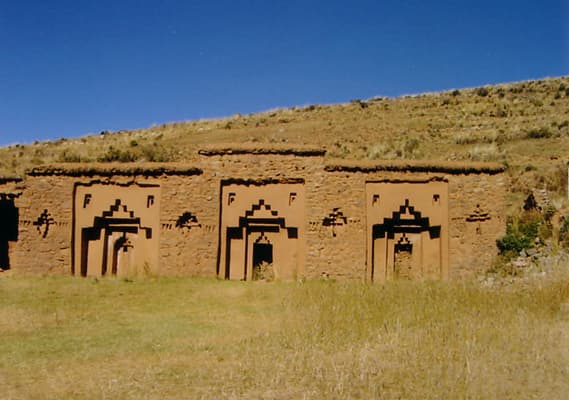
Perched on the southern shore of Isla de la Luna, Iñaq Uyu preserves one of the clearest surviving examples of highland Andean temple architecture. The site’s rectangular enclosures, carved niches, and double-jamb doorways were built with precisely fitted volcanic stone, designed for ceremonies honoring the moon and water. Visitors today walk the same terraces used by priestesses and pilgrims more than five centuries ago.
Layout and Key Features
The central courtyard is framed by long walls punctuated with trapezoidal niches that once held offerings. A lower platform overlooks the lake, where sightlines align with distant peaks used for astronomical observation. Scattered grinding stones and small circular structures hint at daily life supporting the ritual center. The compact scale allows most travelers to explore thoroughly in ninety minutes without feeling rushed.
Getting There
Boats depart from Copacabana’s dock for Isla del Sol, then continue to Isla de la Luna. The crossing takes roughly ninety minutes; ask the captain to land at the small jetty directly below the ruins. From the landing, a steep but well-trodden path climbs five minutes to the main gate. Private launches can be arranged for direct access, avoiding the larger tour groups that favor Isla del Sol.
Best Time to Visit
Clear skies and calmer waters prevail from May through September, coinciding with the dry season. Early morning departures from Copacabana yield mirror-like lake reflections and fewer visitors. Afternoon winds can rise quickly, so plan return transport before mid-afternoon. The shoulder months of April and October still offer good conditions with lighter crowds.
Nearby Sites Worth Combining
Most itineraries pair Iñaq Uyu with the Inca staircase and Chinkana labyrinth on Isla del Sol. The reed-boat workshops at the southern tip of Isla del Sol and the colonial church in Copacabana provide cultural contrast. For deeper context, the Museo del Oro Precolombino in La Paz displays comparable gold and textile artifacts recovered from lake offerings.
Practical Advice for the High Plateau
- Altitude exceeds 3,800 meters; ascend gradually and carry water.
- Strong UV and sudden temperature drops require layered clothing and sunscreen.
- Respect the fenced areas protecting fragile walls and avoid touching carved surfaces.