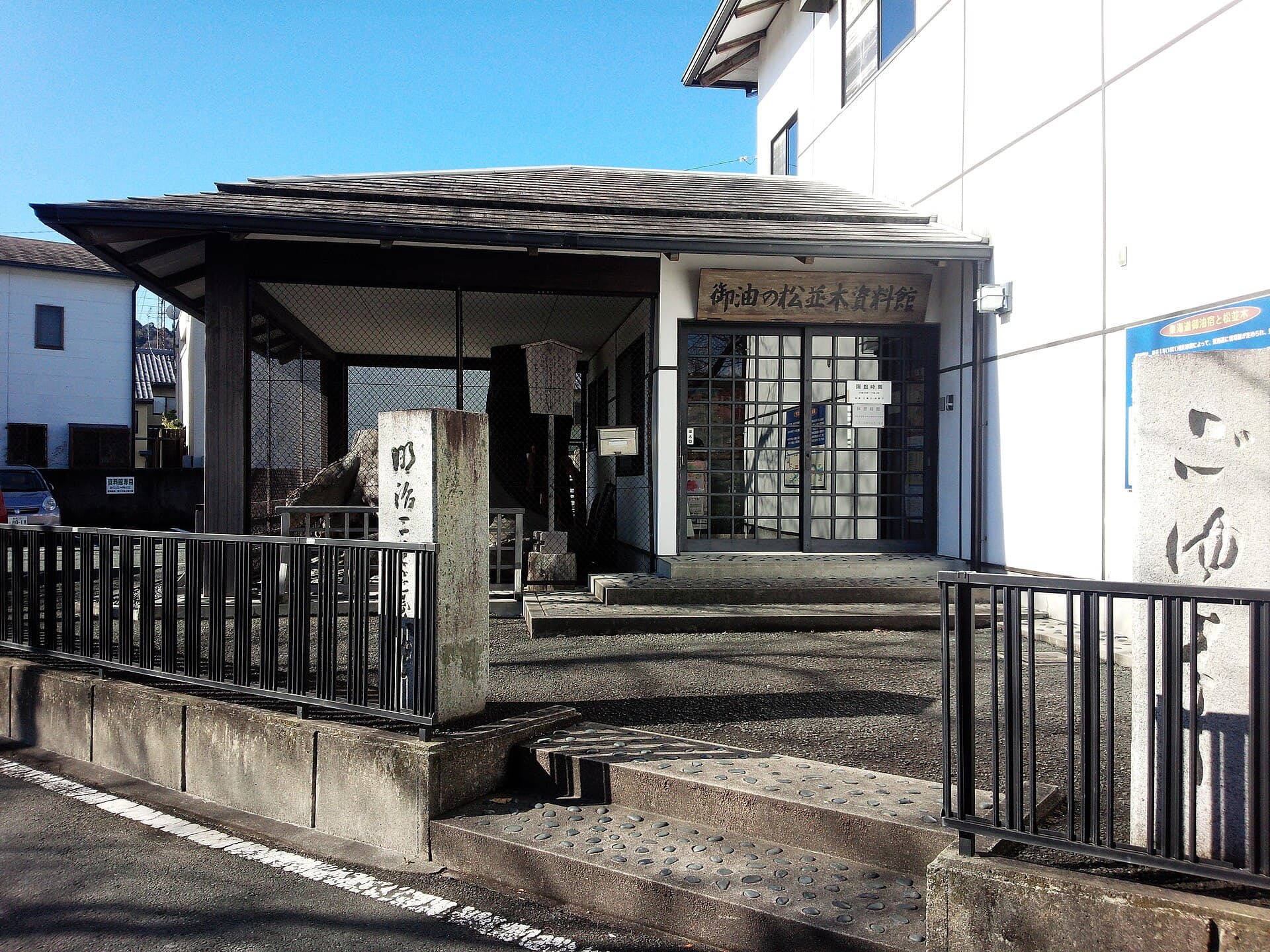
History and Spiritual Significance
Ichibatasan Yakushiji stands as a modest yet deeply rooted temple dedicated to Yakushi Nyorai, the Buddha of healing. Located in Aichi Prefecture, the site blends traditional temple architecture with a small museum collection of Buddhist statues, scrolls, and ritual objects that illustrate centuries of local faith and craftsmanship.
What to See and Do
Visitors enter through a simple wooden gate that opens onto raked gravel paths and modest main hall. Inside the hall, the principal Yakushi statue sits on an elevated altar, surrounded by smaller attendant figures. The attached museum displays rotating exhibits of wooden carvings, lacquered boxes, and votive plaques that reveal the temple’s role in community healing rituals over generations.
Stroll the compact garden behind the hall, where seasonal maples and camellias frame a small pond. Early morning or late afternoon light softens the wooden eaves and offers quiet moments for reflection or photography without crowds.
Practical Visiting Advice
Allow at least ninety minutes to walk the grounds slowly, read the explanatory panels in the museum, and sit in the main hall if prayers are underway. The temple maintains a calm atmosphere; speak softly and avoid flash photography inside buildings.
How to Get There
The temple lies in eastern Aichi Prefecture, reachable by local train to nearby stations followed by a short taxi or bus ride. From central Nagoya, the journey takes roughly ninety minutes by a combination of train and local transport. Drivers can follow prefectural roads and use the modest on-site parking area.
Best Time to Visit
Spring brings soft green foliage and occasional cherry blossoms along the approach road, while autumn offers vivid maple color around the garden pond. Summer visits are quieter but warmer; winter provides clear views of the wooden structures against crisp skies. Avoid major Buddhist festival days if you prefer solitude.
Nearby Attractions
Combine a visit with nearby rural shrines or the coastal scenery of the Atsumi Peninsula for a full day exploring eastern Aichi’s quieter corners. Local soba shops and small roadside produce stands provide simple, satisfying meals after temple viewing.