
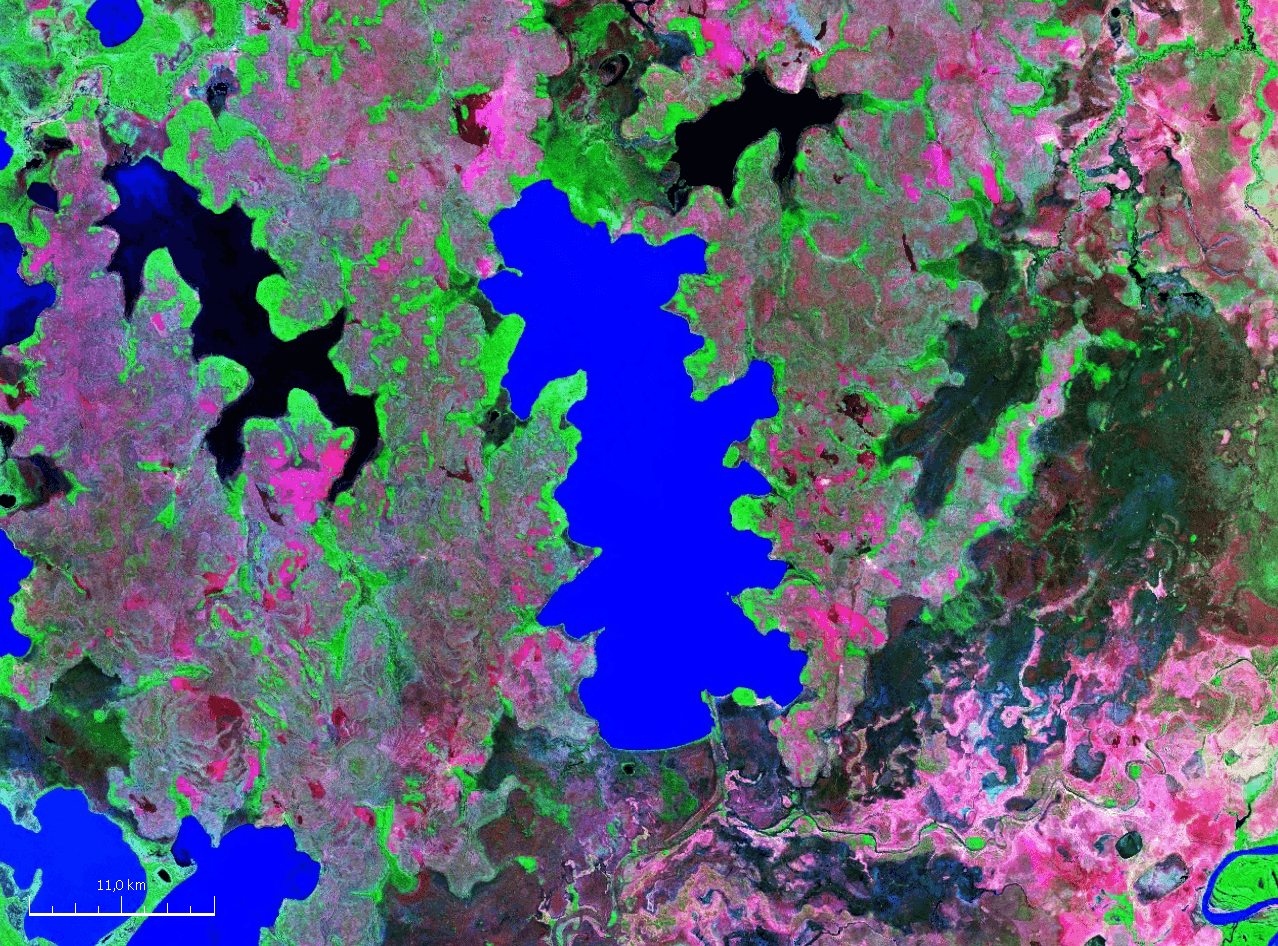
Huaytunas Lake: Bolivia’s Remote Amazonian Lagoon in Yacuma Province
This hidden lake in the Beni region's savanna-forest mosaic rewards travelers with exceptional wildlife viewing and quiet immersion in untouched wetlands.
Discovering Huaytunas Lake
Huaytunas Lake sits in the heart of Yacuma Province within Bolivia’s Beni Department, where open pampas grasslands meet gallery forests of the southwestern Amazon. The shallow, nutrient-rich waters attract large numbers of wading birds, caimans, and river mammals, creating one of the most accessible yet least crowded natural spectacles in the Bolivian lowlands.
Getting There
Most visitors begin in Rurrenabaque, the main gateway town on the Beni River. From Rurrenabaque, travelers arrange a combination of road transfer along the unpaved route toward Santa Rosa de Yacuma followed by a motorized canoe or smaller boat across seasonal channels. The final leg is usually a 30- to 60-minute boat ride; local operators know the shifting water levels and can adjust routes accordingly. Those arriving from farther afield fly into Rurrenabaque’s small airstrip or take overnight buses from La Paz via Yucumo.
Best Time to Visit
The dry season from May to October offers the most reliable access and concentrated wildlife. Water levels drop, concentrating fish and attracting predators to the lake’s edges. The wet season brings dramatic thunderstorms and flooded pampas, turning the journey into a longer, more adventurous boat trip but limiting land-based walks.
Wildlife and Activities
Early-morning or late-afternoon boat circuits reveal black caimans basking on mud banks, capybaras grazing at the waterline, and giant river otters fishing in the shallows. Birders regularly record jabiru storks, wattled jacanas, and sunbitterns. Local guides also lead short walks along elevated forest trails where howler monkeys and toucans are common. Fishing for peacock bass or piranha is permitted with a local guide and catch-and-release is encouraged. Sunset paddles in traditional wooden canoes provide quiet reflection over mirror-like water.
Practical Considerations
Visitors should hire accredited local guides from communities around Santa Rosa or the lake itself; their knowledge of channels and wildlife behavior ensures both safety and richer sightings. Bring lightweight long-sleeved clothing, strong insect repellent, and binoculars. There are no facilities directly at the lake, so all supplies, including drinking water and meals, must be arranged in advance.
Nearby Places Worth Exploring
After time at Huaytunas, many travelers continue to the nearby Yacuma River for pink-river-dolphin sightings or head south to the Madidi National Park buffer zones. The town of Santa Rosa de Yacuma offers basic lodging and a small market for provisions before returning to Rurrenabaque.
Visitor tips
- Hire a licensed local guide from Santa Rosa de Yacuma or Rurrenabaque to navigate shifting channels and locate wildlife without disturbing breeding areas.
- Visit during the Mayu2013October dry season when water levels are lower, concentrating animals and making boat access more predictable.
- Pack all food, water, and camping gear; no services exist at the lake itself and waste must be carried out.
Frequently asked questions
How do I reach Huaytunas Lake from Rurrenabaque?
Travel by road to Santa Rosa de Yacuma then continue by motorized canoe; the combined journey usually takes three to five hours depending on water levels.
What wildlife is most commonly seen at the lake?
Expect black caimans, capybaras, giant river otters, jabiru storks, and numerous herons and kingfishers, especially at dawn and dusk.
Is Huaytunas Lake suitable for swimming?
Swimming is not recommended due to caimans and occasional piranha presence; most visitors enjoy the scenery from boats instead.
Are there lodges or campsites directly on the lake?
No permanent facilities exist at Huaytunas; travelers stay in Rurrenabaque or Santa Rosa and make day or overnight boat excursions.
Do I need a permit to visit?
No special permit is required for the lake itself, but hiring a registered local guide is strongly advised for safety and environmental protection.