Keep reading
Nearby & related
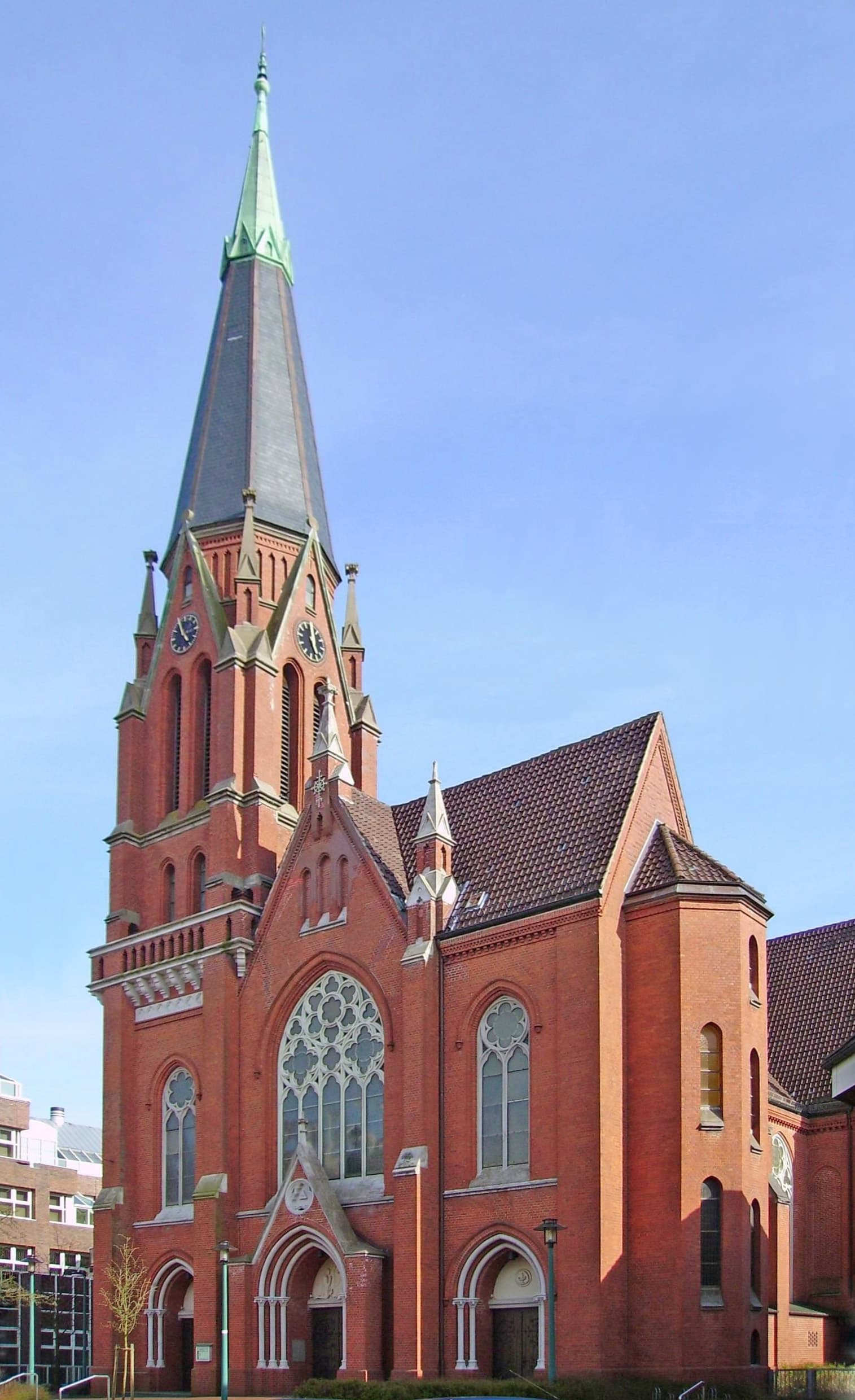
St. Nikolaus Church: Bremerhaven’s Historic Maritime Sanctuary
Explore the enduring spiritual and architectural heart of Bremerhaven at St. Nikolaus Church, a landmark shaped by the…
15 October 2026
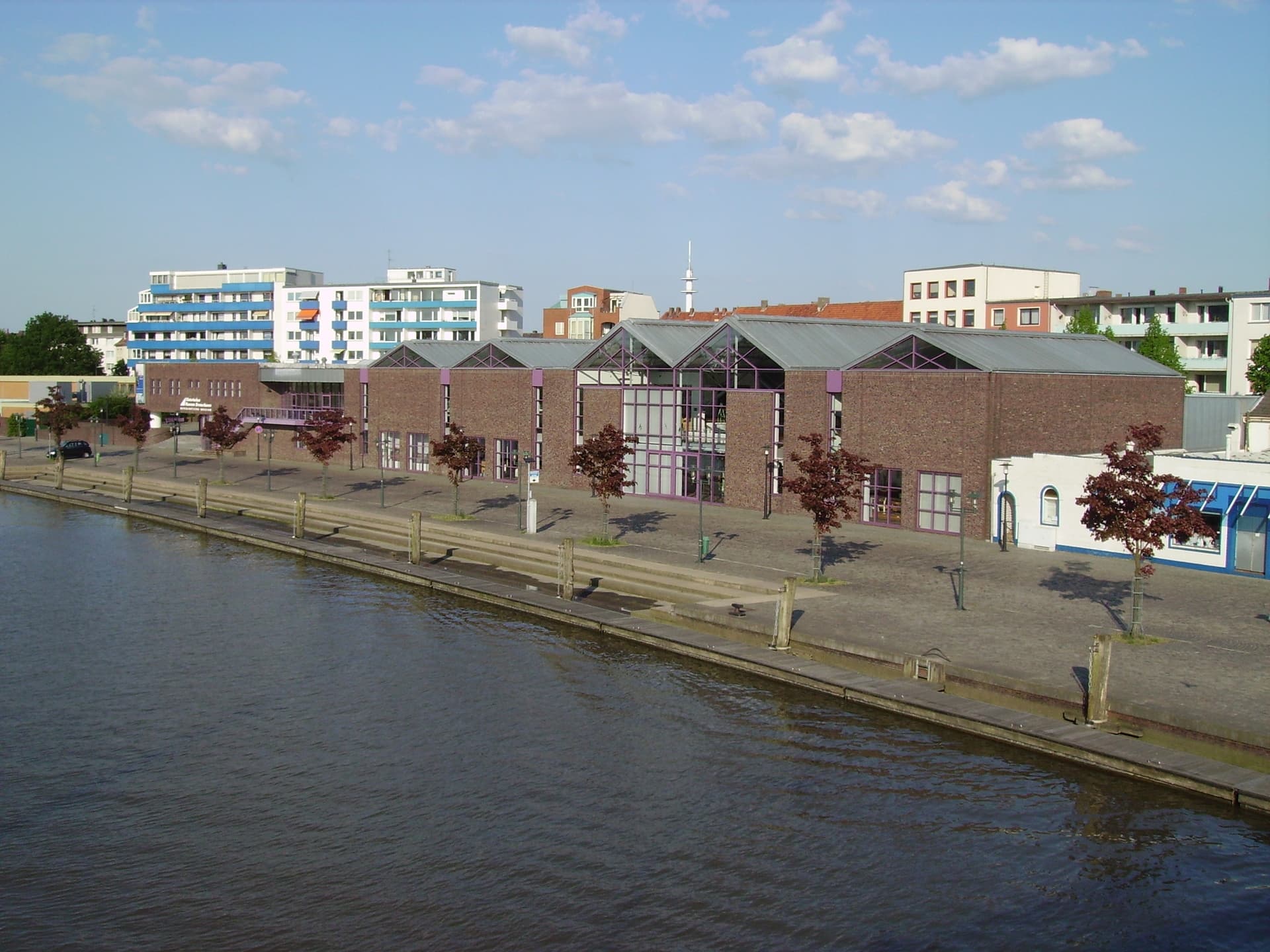
Trace Bremerhaven’s seafaring story through ship models, emigration records, and harbor artifacts at this waterfront institution.
Bremerhaven’s identity is inseparable from the sea, and the Historisches Museum captures that connection across centuries of shipbuilding, trade, and migration. Opened in a former port warehouse, the museum presents the city’s founding in 1827 as a deep-water harbor and follows its growth into one of Europe’s busiest container ports. Permanent displays use original documents, scale models, and reconstructed interiors to show how fishing fleets, liners, and naval vessels shaped daily life.
Visitors walk through sections devoted to the development of the fishing industry and the construction of iconic vessels at the local yards. Detailed models illustrate changes in hull design and propulsion from sail to steam and diesel. Large-scale photographs and workers’ tools highlight the labor that built the port infrastructure still visible today.
A dedicated gallery explores Bremerhaven’s role as a major departure point for millions of Europeans bound for North America and Australia in the nineteenth and twentieth centuries. Passenger lists, luggage replicas, and personal letters give a human dimension to the statistics. Temporary exhibitions often rotate themes such as whaling or North Sea rescue services.
The museum sits on the southern edge of the harbor basin, a short walk from Bremerhaven Hauptbahnhof via the pedestrian-friendly Überseeboulevard. Regional trains connect directly from Bremen in under an hour, while long-distance services reach the city from Hamburg and Oldenburg. Once inside, the layout follows a logical chronological path, with elevators ensuring access throughout the multi-level building.
The museum remains comfortable year-round thanks to consistent indoor climate control; summer months pair well with outdoor harbor walks, while winter visits benefit from fewer crowds and the chance to combine the trip with nearby indoor venues. Directly adjacent stands the German Emigration Center, and a short stroll reaches the Klimahaus Bremerhaven and the historic lightship anchored in the basin. The entire waterfront promenade offers continuous views of working cranes and arriving vessels, making the area ideal for a half-day itinerary focused on maritime themes.
Keep reading
Explore the enduring spiritual and architectural heart of Bremerhaven at St. Nikolaus Church, a landmark shaped by the…
Yes, the museum offers hands-on ship models and interactive harbor simulations that engage younger visitors while the emigration gallery provides age-appropriate context through personal stories.
Most guests spend between 90 minutes and two hours exploring the core collections, though those interested in temporary exhibitions may stay longer.
The site is easily accessible on foot from Bremerhaven Hauptbahnhof or by local buses that stop directly at the harbor basin.
Its focus on Bremerhavenu2019s specific role in emigration and modern container shipping distinguishes it from broader national collections in Hamburg or Bremerhavenu2019s own naval museum.
Key exhibit panels include English summaries, and audio guides in English can be rented at the entrance for deeper exploration.
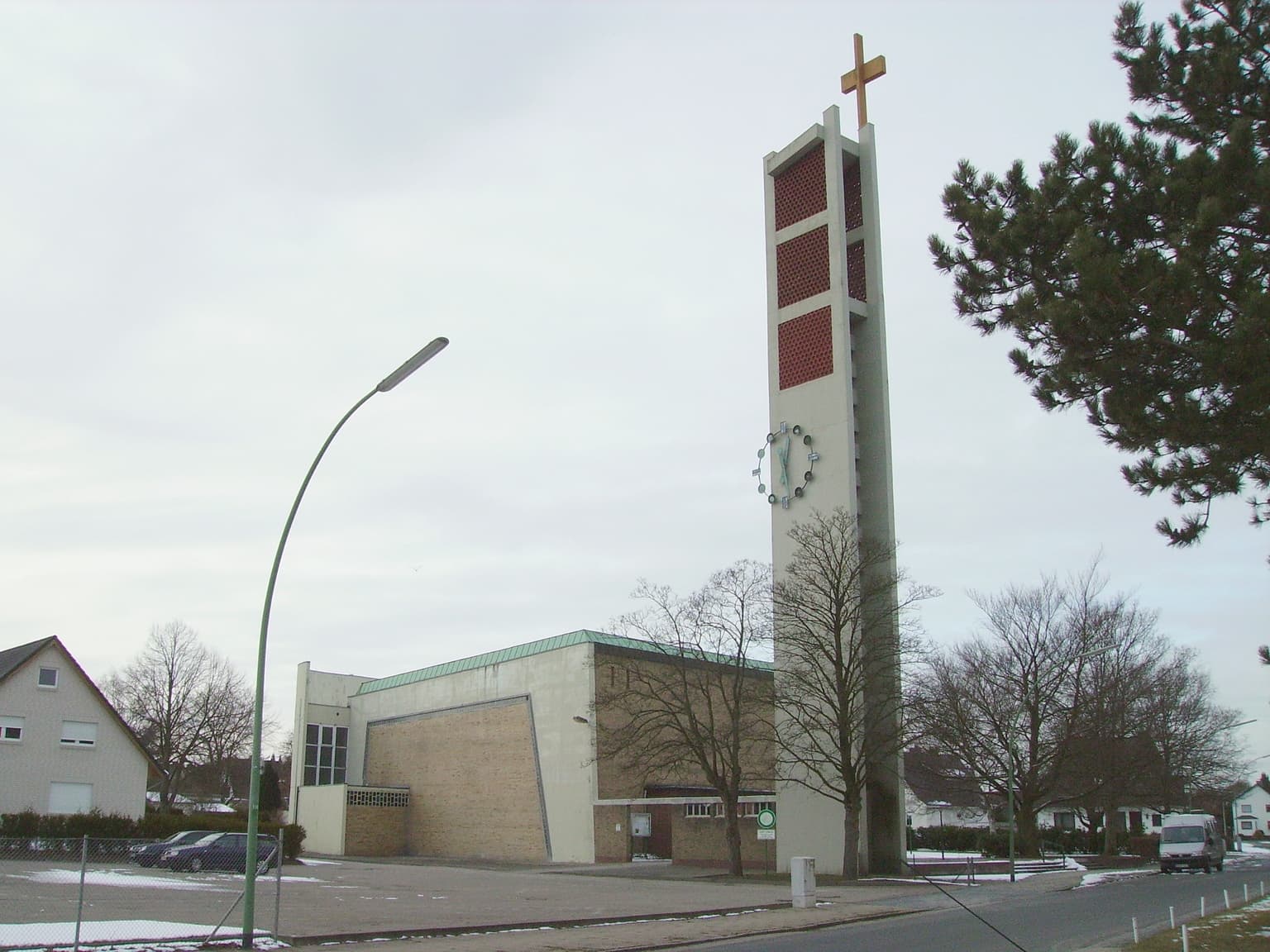
Experience the quiet architectural elegance and maritime context of this Catholic parish church in northern Germany’s…
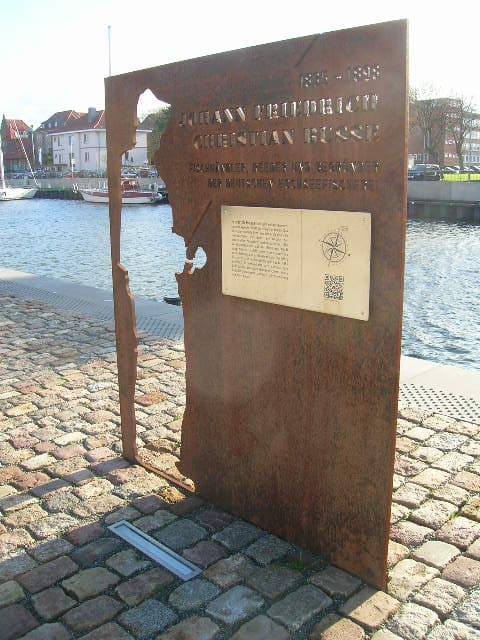
A waterfront promenade in Germany’s northern port city that honors centuries of ocean science and exploration.