Skip to content
Plan & Tour
DestinationsItinerariesTravel BlogAboutContact
0Sign inPlan a trip
Plan & TourPlan & Tour

Travel guides, destination inspiration and curated itineraries for Canada, the USA and beyond, plus a free tool to plan your own day-by-day trip.

Get travel inspiration

Explore

  • All Destinations
  • Curated Itineraries
  • Travel Blog
  • Plan a Trip

Topics

  • Hiking & Nature
  • Food & Drink
  • City Breaks
  • Budget Travel

Company

  • About Us
  • Contact
  • Privacy Policy
  • Terms of Service

© 2026 Plan & Tour. Built for travellers.

Discover the world, one trip at a time.

Handa City Museum: Exploring Aichi’s Industrial Heritage and Local Traditions
  1. Home
  2. Destinations
  3. Aichi Prefecture
  4. Handa City Museum: Exploring Aichi’s Industrial Heritage and Local Traditions
Museum

Handa City Museum: Exploring Aichi’s Industrial Heritage and Local Traditions

In the heart of Aichi Prefecture, this municipal museum preserves the stories of Handa's sake brewing, maritime past, and community life through thoughtful permanent displays.

Aichi PrefectureUpdated 13 August 2026

Why the Handa City Museum Matters

Handa City Museum serves as the primary institution documenting the distinctive identity of Handa, a city shaped by its rivers, sake production, and proximity to the sea. Rather than chasing international blockbusters, the museum focuses on the tangible remnants of everyday life and industry that have defined this corner of Aichi for generations. Visitors gain a grounded understanding of how local resources and craftsmanship created both economic prosperity and cultural continuity.

What to See Inside

Permanent galleries trace Handa’s development from early settlement through the Edo and Meiji periods. Key themes include the rise of sake brewing, the use of wooden sailing vessels for coastal trade, and the evolution of household tools and textiles. Rotating exhibitions draw from the museum’s collection of documents, photographs, and folk objects to highlight seasonal festivals and neighborhood histories. Scale models of traditional breweries and reconstructed merchant interiors help visitors visualize the scale of local industry without requiring travel between multiple sites.

Getting There and Practical Access

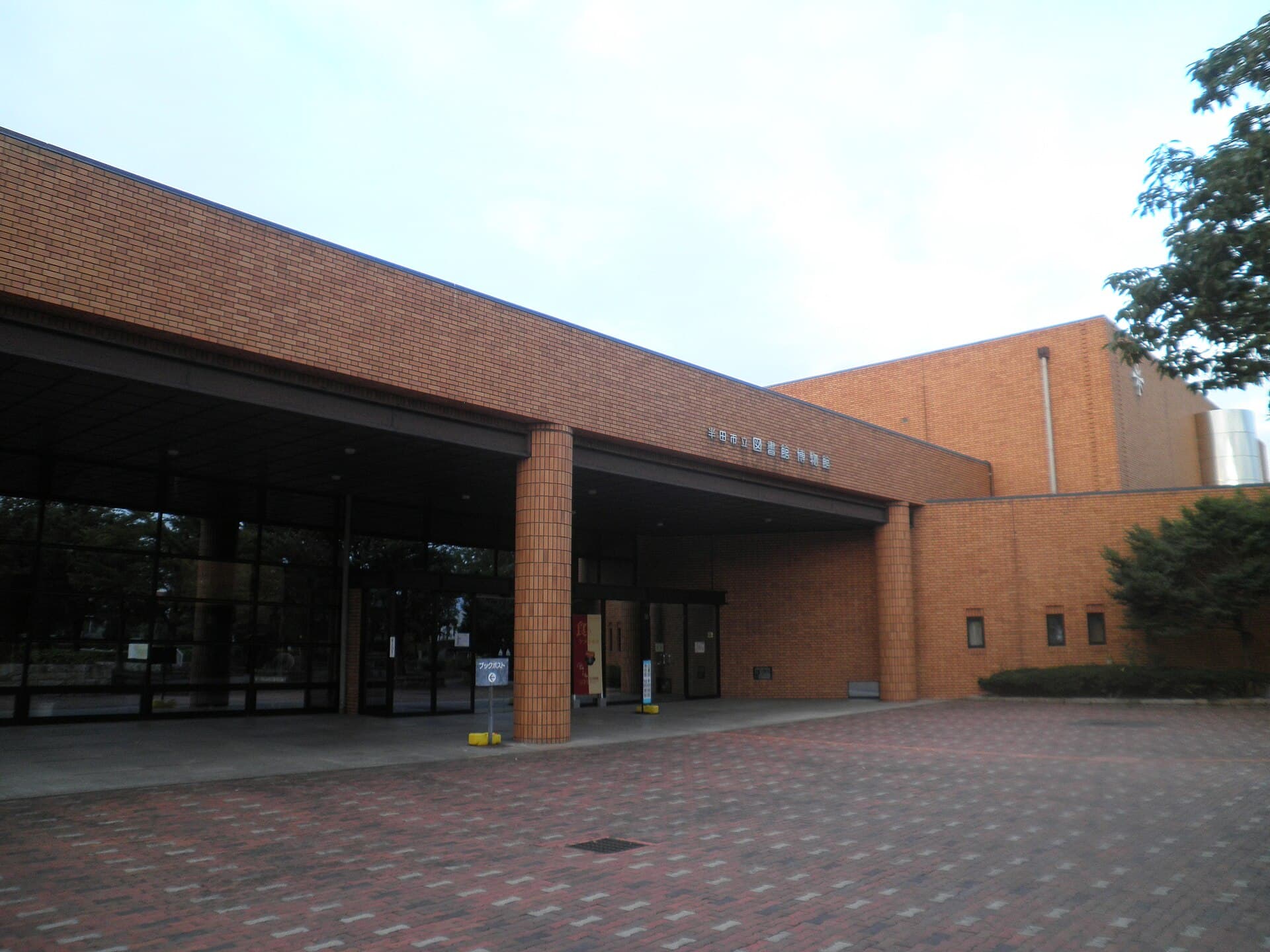
The museum sits within easy reach of central Handa. Most travelers arrive via Meitetsu trains to Handa Station, followed by a short bus or taxi ride. Those driving from Nagoya or the Chita Peninsula will find municipal parking nearby. Because the building occupies a compact urban site, the layout remains straightforward for first-time visitors; clear signage directs guests from the entrance through the galleries and into a small research library open to the public.

Best Time to Visit

Spring and autumn deliver the most comfortable temperatures for walking between the museum and nearby historic streets. Summer visits pair well with air-conditioned indoor time, while winter offers quieter galleries and the chance to see how traditional sake production adapted to colder months. Local festivals occasionally bring related artifacts or demonstrations into the exhibition spaces, adding depth without altering the core permanent collection.

Nearby Places Worth Combining

Handa’s surviving sake breweries lie within walking or short taxi distance, allowing visitors to connect the museum’s historical context with active production sites. The city’s waterfront parks and the former canal network provide pleasant outdoor extensions after an indoor visit. Travelers continuing through Aichi can reach the larger museums of Nagoya in under an hour, making Handa a logical half-day stop on a broader regional itinerary.

Visitor tips

  • Allow at least ninety minutes to read labels and view the scale models; the collection rewards slow pacing over rushed photography.
  • Check the museumu2019s calendar before arrival for special lectures or handling sessions that occasionally accompany temporary displays.
  • Combine the visit with a short walk to surviving brewery buildings for a direct comparison between museum exhibits and living industry.

Frequently asked questions

Is the Handa City Museum suitable for children?+

Yes. The galleries include models, everyday objects, and clear visual storytelling that appeal to school-age visitors, though very young children may need adult assistance with reading panels.

How long does a typical visit take?+

Most guests spend between one and two hours, depending on interest in the rotating exhibitions and the research library.

Are English explanations available?+

Core gallery labels are primarily in Japanese; however, the museum provides basic English summaries at the reception desk and some visual exhibits are self-explanatory.

Can I take photographs inside the museum?+

Photography without flash is generally permitted in the permanent galleries; restrictions apply only during certain temporary exhibitionsu2014staff will indicate any off-limits areas.

Is there a cafu00e9 or shop on site?+

A small museum shop sells local publications and postcards; no cafu00e9 operates inside, but several traditional sweet shops and cafu00e9s sit within a five-minute walk.

Share
Google Maps Apple Maps Directions

Visitor info

Official website

Contact info via Wikidata

Image: At by At · CC BY-SA 3.0 · via Wikimedia Commons

Keep reading

Nearby & related

All stories
Ichibatasan Yakushiji: A Serene Temple Museum in Aichi Prefecture
Aichi Prefecture

Ichibatasan Yakushiji: A Serene Temple Museum in Aichi Prefecture

Experience the quiet spiritual atmosphere and historic Yakushi devotion at this temple complex in rural Aichi.

13 August 2026
Fuji Antarctic Museum: Japan’s Polar Legacy in Aichi Prefecture
Aichi Prefecture

Fuji Antarctic Museum: Japan’s Polar Legacy in Aichi Prefecture

Explore the preserved icebreaker Fuji and artifacts from Japan’s Antarctic research at this distinctive waterfront…

13 August 2026
名古屋市農業文化園: Exploring Nagoya’s Agricultural Heritage in Aichi
Aichi Prefecture

名古屋市農業文化園: Exploring Nagoya’s Agricultural Heritage in Aichi

Discover traditional farming tools, seasonal gardens, and local crop history at this engaging museum park just outside…

13 August 2026