Why the Gumani River Draws Visitors
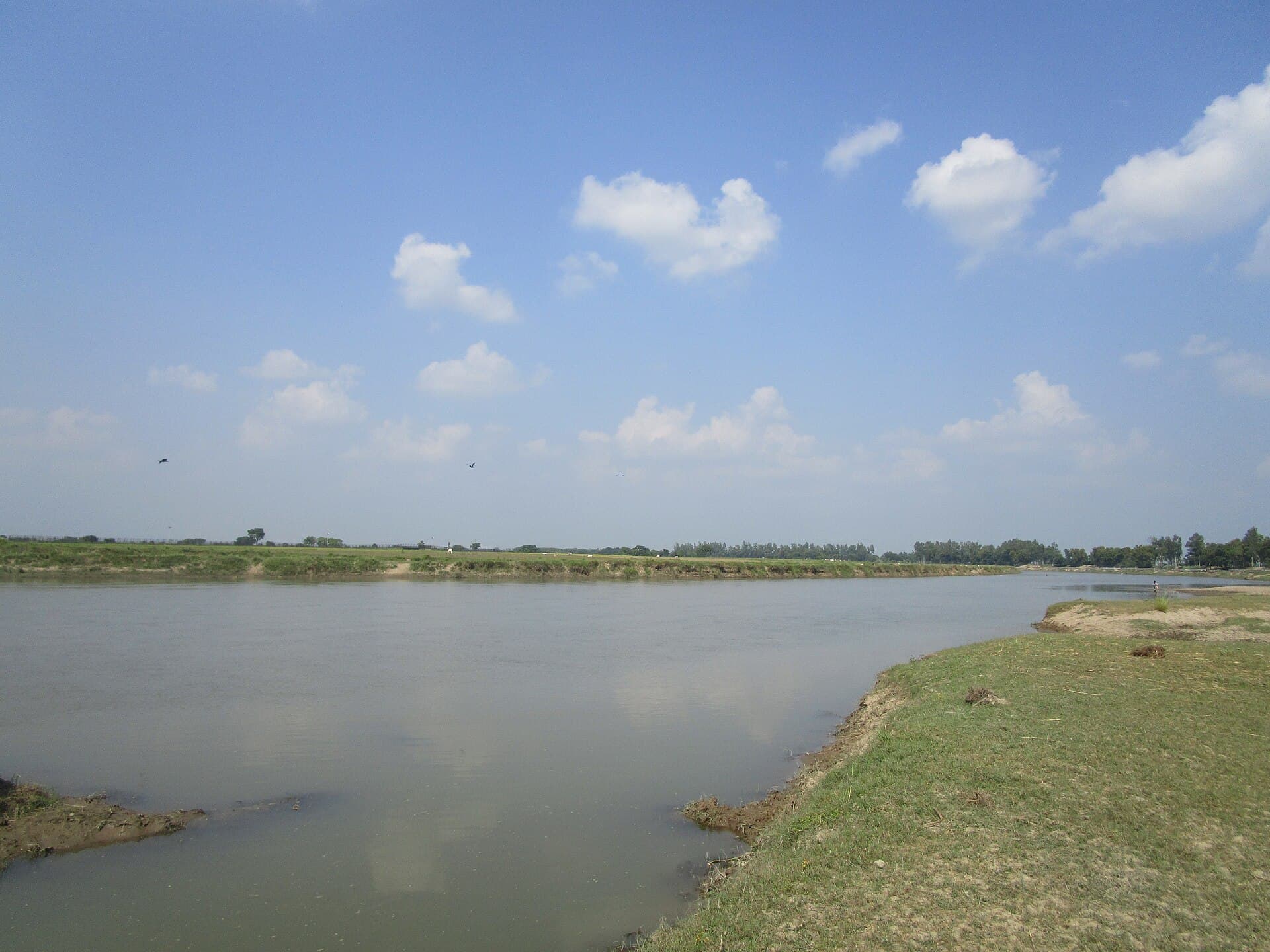
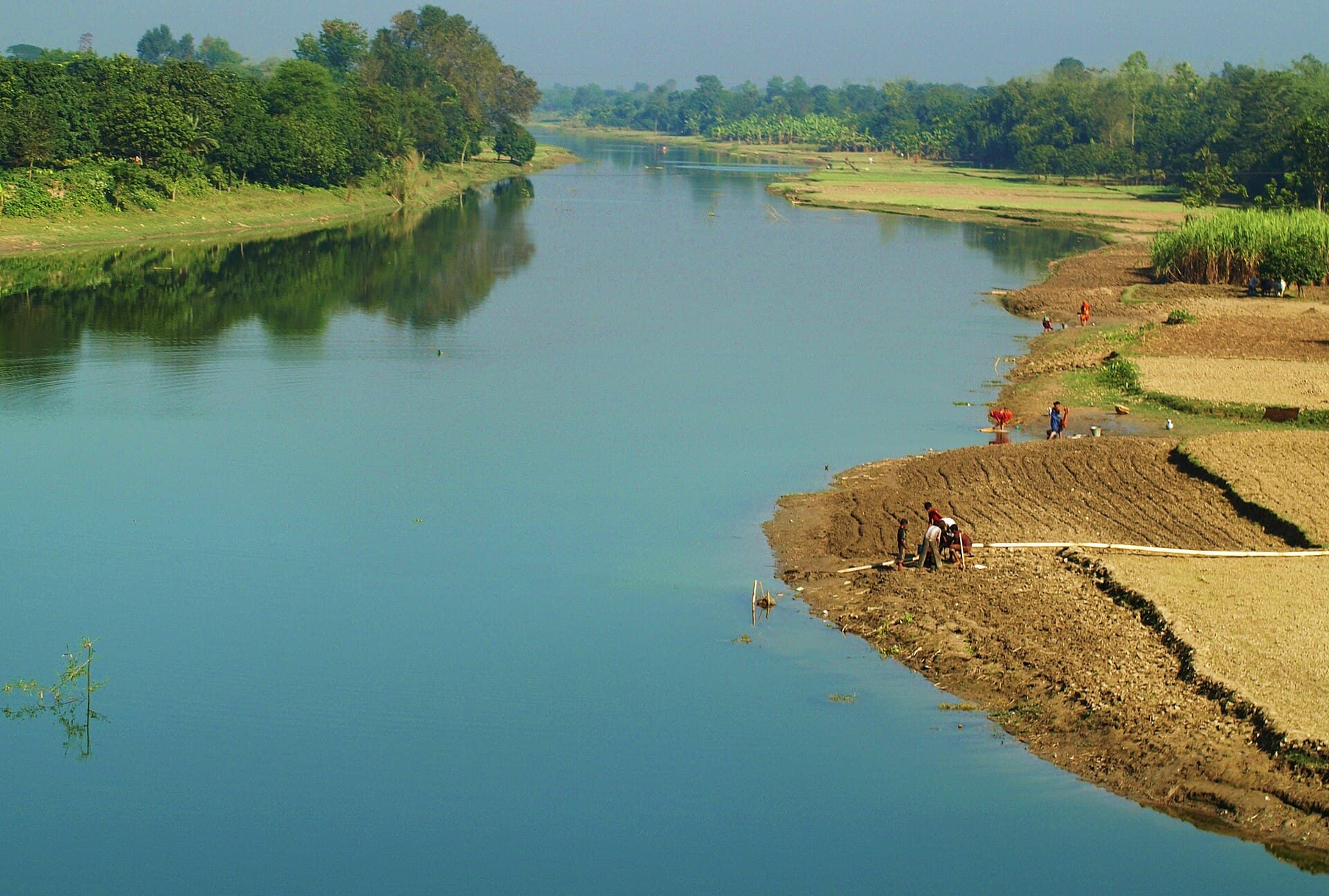
The Gumani River winds through the fertile plains of Rajshahi Division, providing a quiet contrast to busier waterways like the Padma. Its gentle current supports riverside villages where farmers tend fields and fishermen cast nets at dawn. Travelers come for the unhurried pace, clear views of seasonal flooding patterns, and the chance to observe everyday Bangladeshi rural routines up close.
What to See and Do Along the Banks
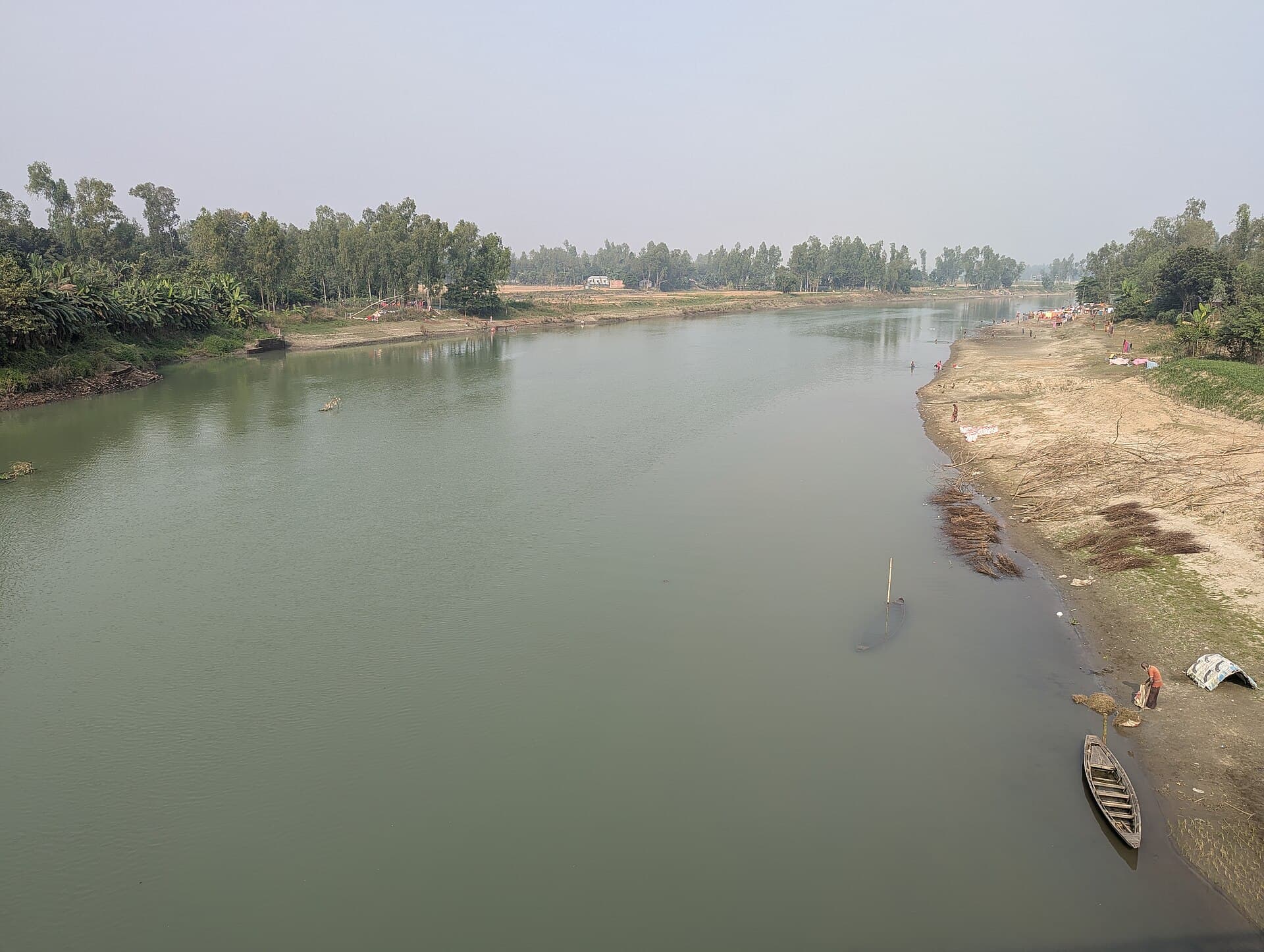
Take a short boat ride with a local operator to watch kingfishers and other birds that frequent the reeds. Walk the raised earthen paths that parallel the river, passing mango orchards and mustard fields that change color with the seasons. In nearby market areas, sample fresh river fish prepared simply with local spices. Photography enthusiasts find rewarding compositions at sunrise when mist lingers over the water and wooden boats glide past.
Experiencing Local Culture
Stop at small ghats where women wash clothes and children play. Respectful visitors can chat with elders about how the river shapes planting cycles and flood preparedness. Several villages host weekly haats where produce and handmade goods change hands, giving insight into the regional economy tied to the waterway.
How to Reach the Gumani River
Start from Rajshahi city by local bus or hired car toward Natore or Pabna districts, where the river flows. From main roads, short rides on rickshaws or on foot lead to accessible banks. The journey passes through typical countryside scenery of rice paddies and scattered homesteads.
Best Time to Visit
November through February brings cooler, drier weather ideal for walking and boating. The river runs fuller during the monsoon months, creating dramatic green landscapes but limiting some paths. Avoid peak summer heat when temperatures rise sharply and water levels drop.
Nearby Places Worth Combining
Combine a Gumani visit with the broader Padma River system or historic sites around Rajshahi such as ancient mosques and mango gardens. The division’s universities and parks offer additional stops for those extending their stay beyond the riverbanks.