
Keep reading
Nearby & related
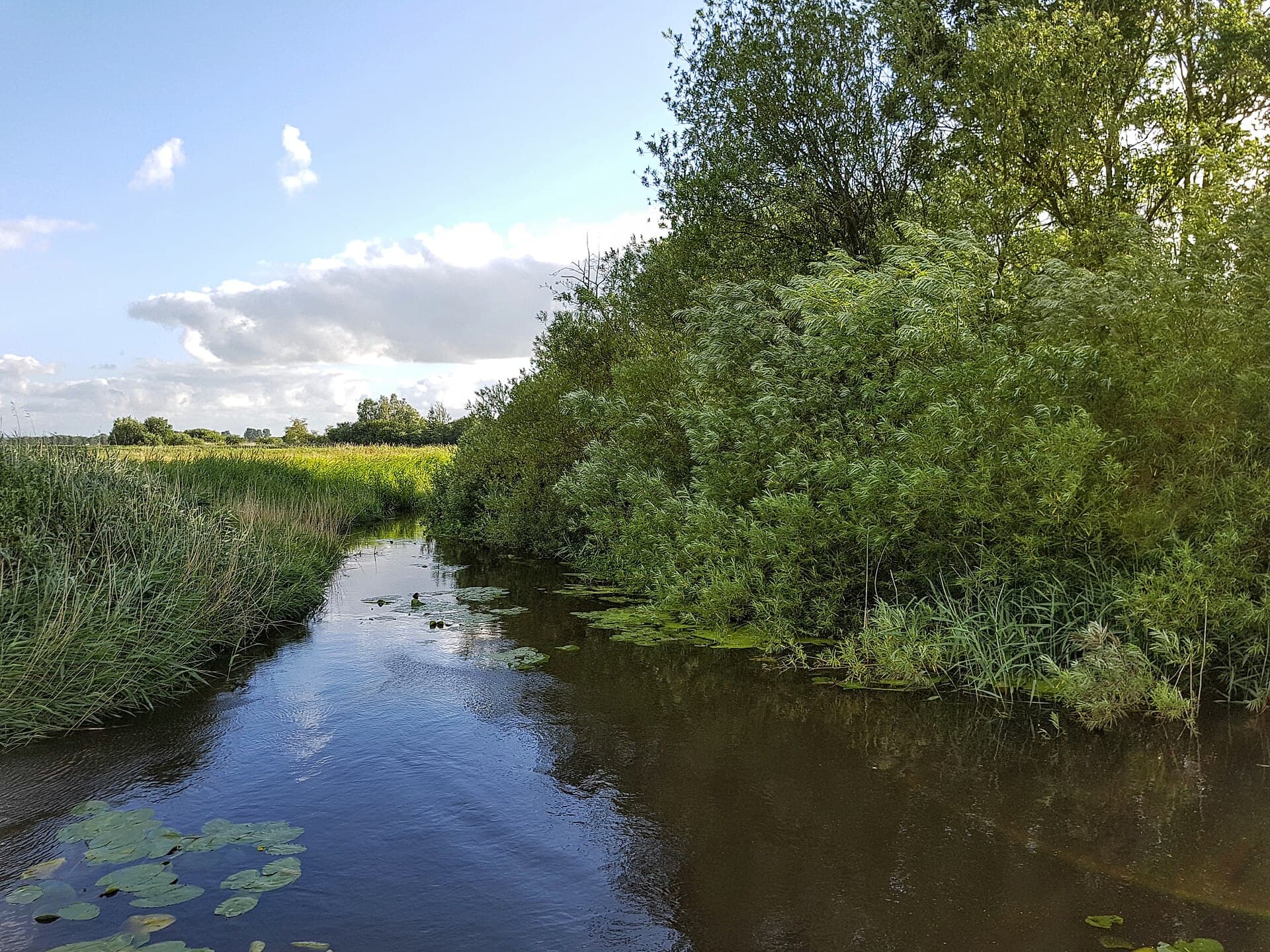
Rohrniederung: Exploring Bremerhaven’s Protected Reed Lowland
A quiet wetland reserve rich in birds and reeds, offering easy walks on the edge of the Weser estuary.
15 October 2026
Explore Bremen's specialized collection of historic timepieces, mechanisms, and horological craftsmanship in a quiet, focused setting.
Nestled in Bremen, this museum offers a focused look at the evolution of clocks and watches from the 17th century onward. Visitors encounter working examples of pendulum clocks, mantel pieces, tower mechanisms, and precision pocket watches that illustrate German and European innovations in timekeeping. The collection emphasizes technical details such as escapements, balance wheels, and enamel dials rather than broad decorative arts, making it especially rewarding for those interested in mechanics and craftsmanship.
The permanent displays are arranged chronologically and by function. Early sections cover weight-driven domestic clocks and the shift to spring-driven designs. Later galleries feature 19th- and 20th-century wristwatches alongside industrial timekeeping instruments used in shipping and railways. Several pieces remain in working order, with occasional demonstrations of striking trains and chime sequences. A small workshop area shows restoration techniques, including gear cutting and case refinishing, providing insight into ongoing conservation work.
Start at the ground-floor timeline to understand the progression of styles before moving upstairs to the technical cases. Labels are in German and English; audio guides are not required because the objects themselves reward close inspection. Photography without flash is permitted for personal use.
The museum sits within easy reach of Bremen’s main railway station via tram lines that stop near the historic core. From the station, a 15-minute walk through the city center leads directly to the entrance. Cyclists can use the extensive network of bike paths along the Weser River. Drivers will find limited on-street parking in surrounding residential streets; public transport or walking is usually simpler.
Indoor exhibits make the museum suitable year-round. Spring and early autumn offer the most comfortable temperatures for combining the visit with outdoor walks in the nearby Schnoor district. Weekday mornings tend to be quieter, allowing uninterrupted viewing of delicate mechanisms. Winter visits pair well with Bremen’s Christmas market season, when the surrounding streets are illuminated.
After the museum, stroll to the Schnoor quarter for half-timbered houses and artisan shops, or visit Bremen Cathedral and the town hall square, both a short walk away. The Focke Museum, focusing on regional history, provides a natural complement for those wanting broader context on Bremen’s trading past.
Keep reading
A quiet wetland reserve rich in birds and reeds, offering easy walks on the edge of the Weser estuary.
School-age children who enjoy building or mechanics often find the working models engaging; younger visitors may lose interest after the first gallery.
Most visitors spend between 60 and 120 minutes, depending on their interest in the technical explanations.
Occasional curator-led tours focus on specific themes such as marine chronometers or enamel decoration; inquire on-site for current offerings.
Yes; the location is convenient for pairing with the Focke Museum or a walk through the old town before or after your visit.
While German makers predominate, the displays also include Swiss, French, and English pieces that illustrate international influences on horology.
A protected wetland reserve offering peaceful walks through peat bogs and bird-rich meadows on the edge of the city.
This serene lake in Bremen’s green outskirts provides peaceful walks, birdwatching, and easy escapes into nature.