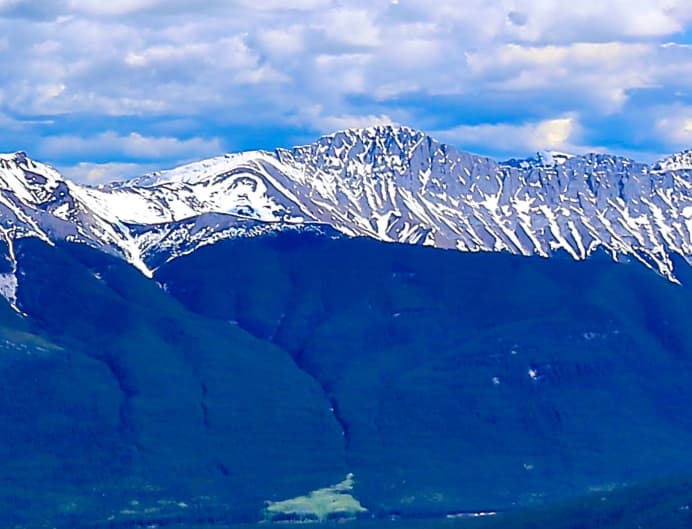
Introduction to Grisette Mountain
Grisette Mountain rises in the northern section of Jasper National Park, offering hikers a rewarding climb with fewer crowds than nearby iconic peaks. Its position provides expansive views across the Athabasca Valley and surrounding ranges, making it an excellent choice for those seeking a true backcountry experience in the Canadian Rockies.
Getting There
Access begins from the Icefields Parkway or secondary roads near Jasper townsite. Drivers should park at established trailheads along the park’s main corridors and follow signed paths that lead into the subalpine zone. The approach involves moderate elevation gain through lodgepole pine forests before opening into meadows.
Trail Overview
- Expect a steady ascent with some rocky sections and occasional creek crossings.
- Navigation is straightforward along maintained routes, though side trails may branch off toward viewpoints.
- Allow a full day for the round-trip journey to the summit area.
What to See and Do
At higher elevations, hikers encounter colorful wildflower displays in summer and possible wildlife sightings including marmots and mountain goats. The summit plateau rewards visitors with unobstructed vistas of distant glaciers and layered mountain ridges. Photography, birdwatching, and quiet contemplation are the primary activities, as the mountain lacks developed facilities.
Best Time to Visit
Late June through early October offers the most reliable conditions, with snow-free trails and longer daylight hours. Early summer may still hold patches of snow at elevation, while fall brings cooler temperatures and vibrant larch colors in surrounding valleys. Winter travel requires advanced mountaineering skills and avalanche awareness.
Nearby Destinations
Combine a visit with stops at the Columbia Icefield or Maligne Lake for a fuller exploration of Jasper National Park. The town of Jasper itself provides supplies, lodging, and additional shorter walks along the Athabasca River.