Skip to content
Plan & Tour
DestinationsItinerariesTravel BlogAboutContact
0Sign inPlan a trip
Plan & TourPlan & Tour

Travel guides, destination inspiration and curated itineraries for Canada, the USA and beyond, plus a free tool to plan your own day-by-day trip.

Get travel inspiration

Explore

  • All Destinations
  • Curated Itineraries
  • Travel Blog
  • Plan a Trip

Topics

  • Hiking & Nature
  • Food & Drink
  • City Breaks
  • Budget Travel

Company

  • About Us
  • Contact
  • Privacy Policy
  • Terms of Service

© 2026 Plan & Tour. Built for travellers.

Discover the world, one trip at a time.

Gran Canaria: Volcanic Beaches, Mountain Trails and Year-Round Sunshine
  1. Home
  2. Destinations
  3. Las Palmas
  4. Gran Canaria: Volcanic Beaches, Mountain Trails and Year-Round Sunshine
Island

Gran Canaria: Volcanic Beaches, Mountain Trails and Year-Round Sunshine

Explore the island’s dramatic dunes, terraced valleys and coastal towns that offer something for every traveler.

Las PalmasUpdated 31 October 2026

Why Gran Canaria Stands Out

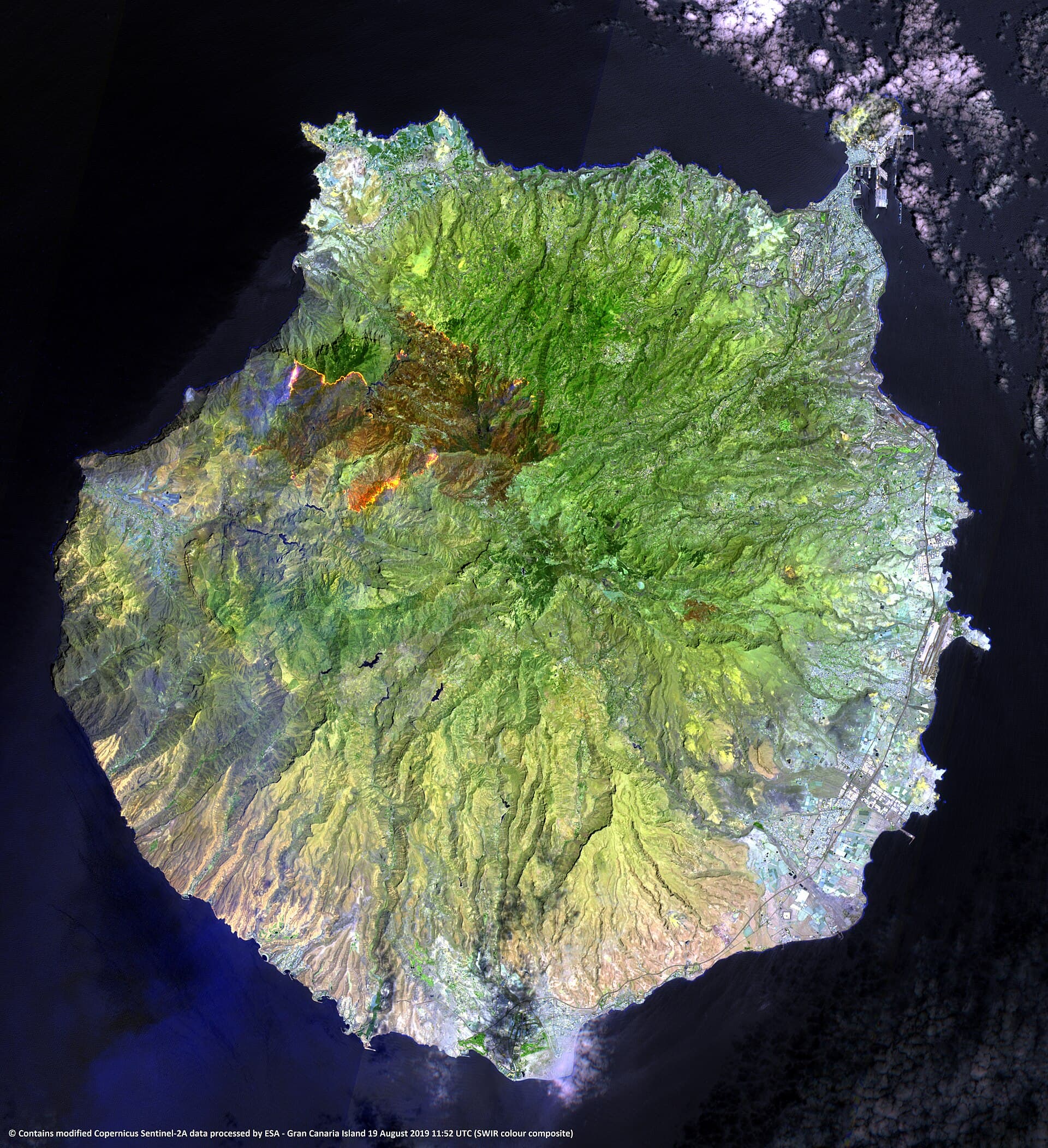
Gran Canaria packs an entire continent’s worth of scenery into a compact island. Golden dunes meet black volcanic cliffs, while pine forests and almond groves climb to 2,000-metre peaks. This variety lets visitors swim in the morning and hike through mist-shrouded ravines the same afternoon.

Beaches and Coastal Highlights

The south-east coast features the famous Maspalomas dunes, a protected natural reserve where sand stretches for kilometres. Nearby Playa del Inglés offers calm waters ideal for families, while quieter coves such as Playa de Güigüí require a hike or boat ride but reward with dramatic cliffs and clear water. In the north, black-sand beaches like Puerto de las Nieves provide a rugged contrast and excellent seafood restaurants steps from the shore.

Las Palmas de Gran Canaria

The island’s capital combines a working port with a lively old quarter. Visit the colourful Vegueta district for colonial architecture and the Columbus House museum, then stroll along the long sandy beach of Las Canteras, protected by a natural reef that keeps waves gentle.

Inland Villages and Hiking

Head into the mountains for a different pace. The village of Tejeda sits beneath Roque Bentayga, a striking rock formation sacred to the island’s original inhabitants. Trails from here lead through almond orchards and terraced fields to the summit of Pico de las Nieves. For easier walks, the paths around the reservoir of Presa de los Hornos offer flat terrain with pine shade and sweeping views.

Getting There and Getting Around

Most visitors arrive at Gran Canaria Airport (LPA), connected by direct flights from major European cities. From the airport, buses and taxis reach the main resorts in 20–40 minutes. Renting a car gives the most freedom for exploring remote beaches and mountain villages; public buses cover popular routes but run less frequently in rural areas.

Best Time to Visit

The island enjoys mild temperatures year-round, yet spring and autumn bring fewer crowds and comfortable hiking weather. Winter sees many northern Europeans escaping colder climates, while summer is hottest and driest in the south. Water sports remain possible every month, though the north coast can be windier in winter.

Day Trips and Nearby Islands

Ferries from Las Palmas reach Tenerife in under two hours, allowing a quick visit to Mount Teide National Park. On Gran Canaria itself, a drive around the west coast passes the dramatic cliffs of Andén Verde and the fishing harbour of Puerto de Mogán, known for its canal-side restaurants.

Visitor tips

  • Rent a car for at least two days to reach both the southern dunes and the central mountains comfortably.
  • Pack layers: the coast can be warm while the interior is noticeably cooler, especially after sunset.
  • Try local specialties such as papas arrugadas with mojo sauce and fresh grilled fish at harbourside restaurants.

Frequently asked questions

How many days do I need for Gran Canaria?+

Four to five days allow time to enjoy beaches, hike in the mountains and explore at least one inland village without rushing.

Is Gran Canaria good for hiking?+

Yes. Well-marked trails range from gentle coastal paths to strenuous climbs reaching the islandu2019s highest peaks.

Do I need a car or can I rely on buses?+

Buses connect major towns and beaches, but a rental car makes remote viewpoints and smaller villages much easier to reach.

What is the weather like in winter?+

Daytime temperatures usually stay between 18u201322 u00b0C on the coast, making it a popular winter-sun destination, though the mountains can be cooler and occasionally misty.

Are there any cultural festivals worth planning around?+

Carnival in February or March features colourful parades in Las Palmas, while the almond blossom festival in February draws visitors to the central villages.

Share
Google Maps Apple Maps Directions

Image: European Space Agency · CC BY-SA 2.0 · via Wikimedia Commons

Keep reading

Nearby & related

All stories
Fuerteventura: Endless Beaches and Volcanic Landscapes in the Canary Islands
Las Palmas

Fuerteventura: Endless Beaches and Volcanic Landscapes in the Canary Islands

This wind-carved island offers pristine shores, dramatic dunes, and consistent sunshine for year-round escapes.

31 October 2026
Lanzarote: Volcanic Landscapes and Timeless Charm in the Canary Islands
Las Palmas

Lanzarote: Volcanic Landscapes and Timeless Charm in the Canary Islands

Discover dramatic lava fields, black-sand beaches, and the artistic legacy that define this distinctive island in…

31 October 2026