Why Glebe Park Matters
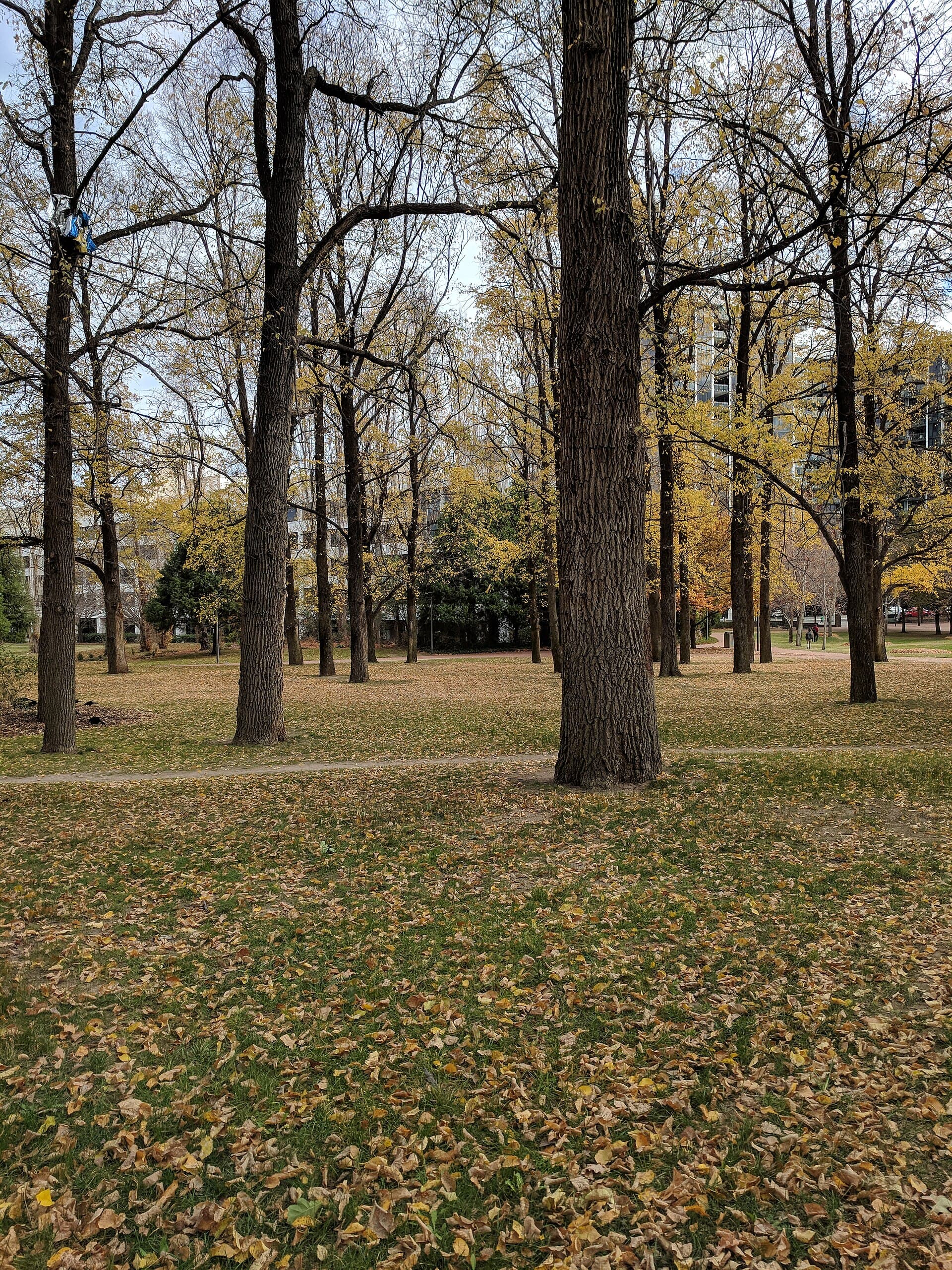
Glebe Park occupies a leafy block just north of Canberra’s Civic centre, offering a calm counterpoint to the surrounding offices and shops. The 4-hectare site was set aside as church land in the 1840s and later became one of the city’s first public parks. Its mature oaks, elms and pines create a cool canopy even on warm days, while the gently rolling lawns invite picnics and quiet reading.
What to See and Do
Follow the wide gravel paths that loop around the park’s perimeter. In the centre you will find a small playground with slides and swings, popular with families on weekends. Heritage interpretation panels explain the park’s history and the role of the original glebe (church land) in the early settlement of the Limestone Plains.
Seasonal Highlights
Spring brings carpets of naturalised bulbs under the trees, while autumn turns the deciduous canopy gold and crimson. In summer the shade makes the park a favourite lunch spot for nearby workers. Winter mornings are crisp and often mist-filled, perfect for photographers.
Getting There
The park sits between Coranderrk Street and Akuna Street, a five-minute walk from the Canberra Centre bus interchange. Cyclists can use the dedicated path that runs along Constitution Avenue. Limited on-street parking is available on surrounding residential streets; visitors are encouraged to arrive by foot, bike or public transport to preserve the park’s peaceful atmosphere.
Best Time to Visit
Canberra’s climate rewards shoulder seasons. March to May and September to November offer mild temperatures and fewer crowds. Early morning or late afternoon visits avoid the midday sun and give the best light for enjoying the tree-lined avenues.
Nearby Attractions
Combine a park visit with a short stroll south to Civic’s cafés and the National Convention Centre. Northward, the Australian National University campus offers additional green spaces and galleries. A 20-minute walk east reaches the shores of Lake Burley Griffin and its lakeside trails.