
Keep reading
Nearby & related
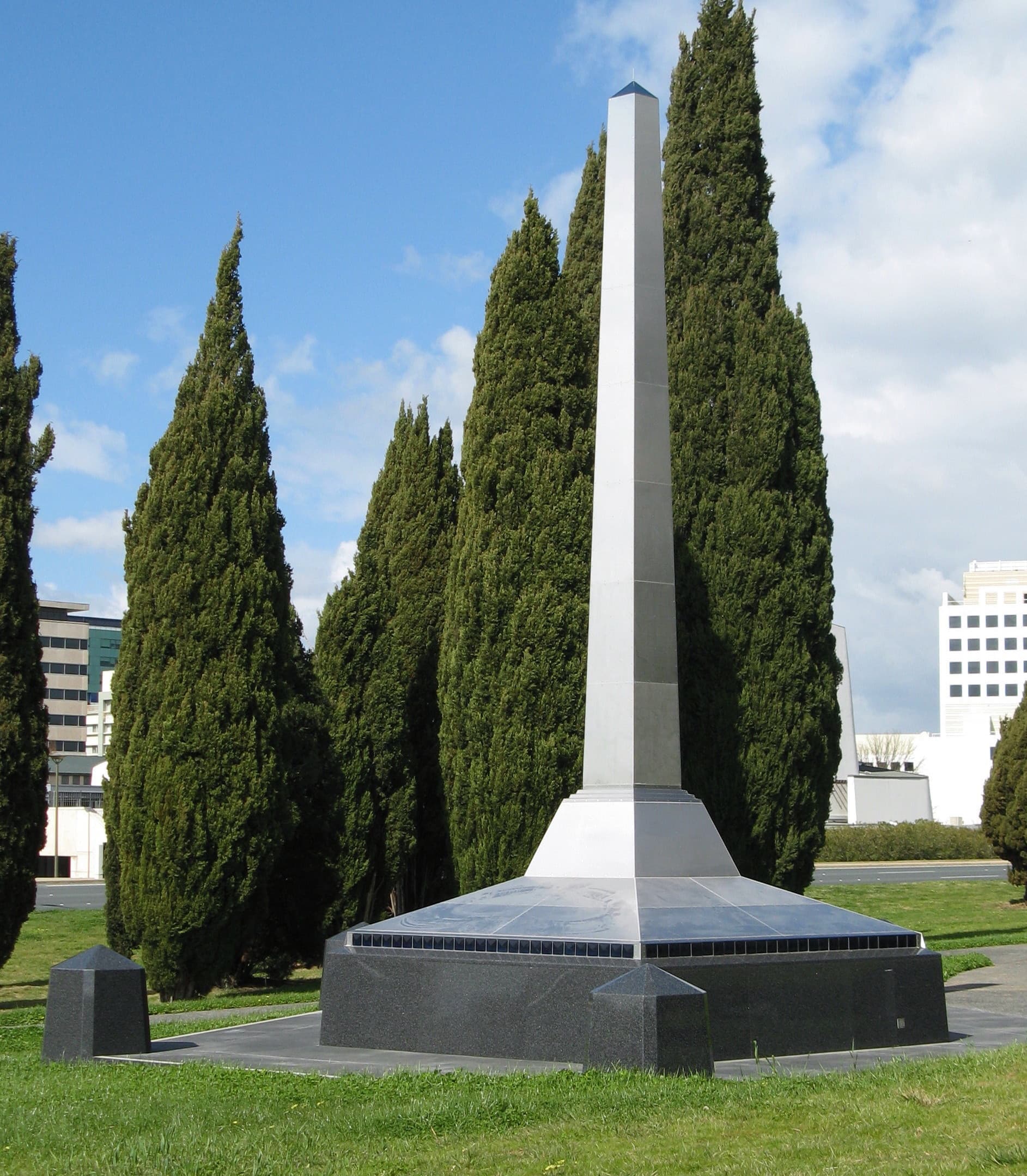
Canberra Centenary Column: Marking 100 Years of Australia’s Planned Capital
This striking obelisk in Commonwealth Park celebrates Canberra’s founding and offers sweeping views across Lake Burley…
19 September 2026
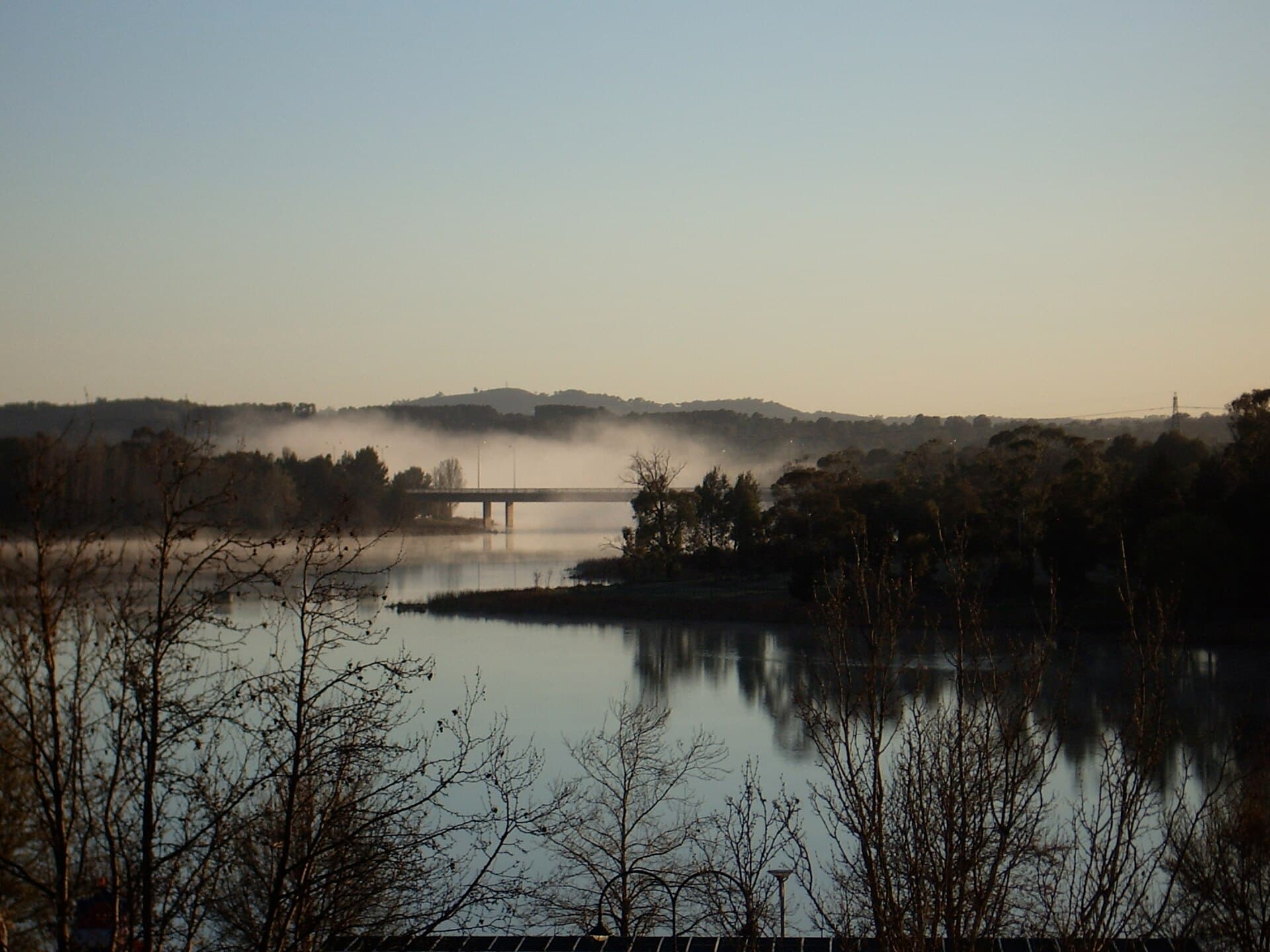
Follow the gentle flow of Ginninderra Creek through Canberra’s northern suburbs for easy trails, native wildlife and quiet riverside escapes.
Ginninderra Creek winds through the Belconnen district of Canberra, offering a continuous ribbon of parkland that links suburban streets with remnant grasslands and wetlands. The creek eventually joins the Murrumbidgee River, yet within the ACT it functions as a practical green corridor for walkers and cyclists seeking a break from the city grid.
A well-formed shared path runs alongside much of the creek, passing through open eucalypt woodland and beside small wetlands that attract ducks, herons and occasional kingfishers. Sections near Florey and McKellar feel especially secluded despite nearby houses. Shorter loops can be made by crossing footbridges and returning on the opposite bank, while longer rides connect downstream toward the Murrumbidgee corridor.
Spring brings flowering wattles and native grasses along the verges, while autumn offers milder temperatures for longer outings. Eastern grey kangaroos graze the open grassy areas in the early morning, and the creek banks support frogs and small reptiles. Birdwatchers should look for the crimson rosella and the white-faced heron near deeper pools.
Canberra’s bus network reaches several access points along the corridor, particularly near Belconnen Town Centre and the University of Canberra. Cyclists can enter the path system from Lake Ginninderra, which sits just upstream. Drivers will find informal parking at several reserve entrances off roads such as Ginninderra Drive and Aikman Drive. The creek corridor is flat enough for most fitness levels.
Canberra’s climate favours shoulder seasons. Spring (September–November) and autumn (March–May) deliver comfortable daytime temperatures and fewer insects. Summer visits are possible early in the day before heat builds, while winter walks reward visitors with clear skies and the chance to see frost on the grass.
Keep reading
This striking obelisk in Commonwealth Park celebrates Canberra’s founding and offers sweeping views across Lake Burley…
The creek is shallow and flows over rocky or muddy beds in most places, so swimming is not recommended. Nearby Lake Ginninderra offers designated swimming areas instead.
Dogs are allowed on leash on the shared paths and in most adjacent reserves, but must be kept under control near wildlife.
Yes. The main shared path is wide, flat and sealed in many sections, making it accessible for prams and small bikes.
Popular loops near McKellar and Florey range from 3 to 8 kilometres; the full corridor within the ACT stretches roughly 15 kilometres.
Recreational fishing is allowed in the ACT subject to current regulations; check for any temporary closures related to water quality or fish stocking.
Wander shaded eucalypt trails and spot native wildlife in this peaceful park on the edge of Yarralumla.
This quiet local park in Canberra’s north offers walking paths, open lawns and family recreation amid native trees.